
I originally wrote this for my Roadless Travel Blog on March 4, 2012, nearly a year after the 9.0 Tōhoku earthquake and tsunami in Japan. I was in Yokosuka, Japan on 3/11/11, the day of the earthquake, and I saw first hand the devastation and loss of life, so it was naturally for me to want to go back to offer any aid I could after the fact.
On February 17, 2012, I had the rare opportunity to travel with some friends from the Cadence Lighthouse Ministry in Yokosuka, Japan six hours north by van to Ishinomaki, Japan. Ishinomaki, along with many other surrounding towns and villages, lie on the north-eastern coast of Honshu, the big island of Japan. This entire coastal region was ravaged by the March 11, 2011, 9.0 earthquake and following tsunami (keep in mind that it was March 11th in Japan and March 10th in the United States). Many of the homes, city infrastructure, and lives of those within this area were lost. In fact, one estimate says 19,000 lives were lost and another 6,000 people to date are still missing– and I think it would be safe to assume that most of them, if not all, are also dead. Needless to say, those that still live within this area were, and still are, in need of relief. As such, the Lighthouse Ministry in Yokosuka, headed by Jim and Martha Bowden, decided to take a van-full of volunteers back into the devastated area. This was not the Bowden’s first excursion like this, nor was it the first time for many of those that were going on the trip. The Lighthouse Ministry and many involved with it have made multiple trips to offer food, aid, council, and condolence to those in the coastal region of Ishinomaki and the Tohoku people. However, this was to be my first trip north.
As we set-out to make the midnight drive north, I personally had no idea what to expect. All I had seen was what local (Japanese) and international (CNN) news programs were showing. I had heard some first-hand accounts of what things were like from those who had been there, but I was certain that seeing the area for myself would be starkly different. Besides, it had been almost exactly 11 month since the tsunami, I imagined that the clean-up efforts were probably nearing a completion stage and many would be well on their way to rebuilding– I would find out later, I was severely wrong about my initial assumption. The only thing I was really told to prepared for was the cold. Thankfully, I was prepared for this because the moment we stepped off of the van into the frigid 5:30 a.m. air, any fatigue I had from a sleepless night of travel was immediately expunged when someone chattered, “its only four degrees!” Cold was an understatement; Ishinomaki and the camp that we had arrived at was arctic. What made the situation even more chilling was that it was immediately pointed out to me that the showers were housed in a tent that was simply covered in a blue tarp. I tried not to think about the joy of having to shower outside in sub-freezing temperatures. At this point, I just wanted to wash the morning away with a hot cup of coffee.
We had successfully arrived at the semi-permanent encampment of the international non-profit organization Samaritan’s Purse. Samaritans Purse had obviously been here since the earthquake and tsunami first hit. The makeshift divider walls within the main building that separated the male from female sleeping-quarters was scattered with notes of encouragement, quotes, scriptures, signatures, dates, and the remnants of those that had been there before in order to help. Since we had arrived at the break of dawn, most of the camp was just waking up. As people began to rise, their disheveled college sweatshirts, hair, and unshaven faces indicated more than just a rough night. Most of these people looked as if they too had been here a while. They had obviously been showering outside– if at all, which I wouldn’t of held against any of them. However, given that I had’n slept in 24 hours, I probably looked a little disheveled and awry myself. Now that I think about it, it was probably my sad-appearance that made many of the campers look at me and assume that I too had just woken up because people immediately started to give me morning hugs and offer me some coffee; it was here that I was able to wash the morning away with a couple of fresh cups of brew.

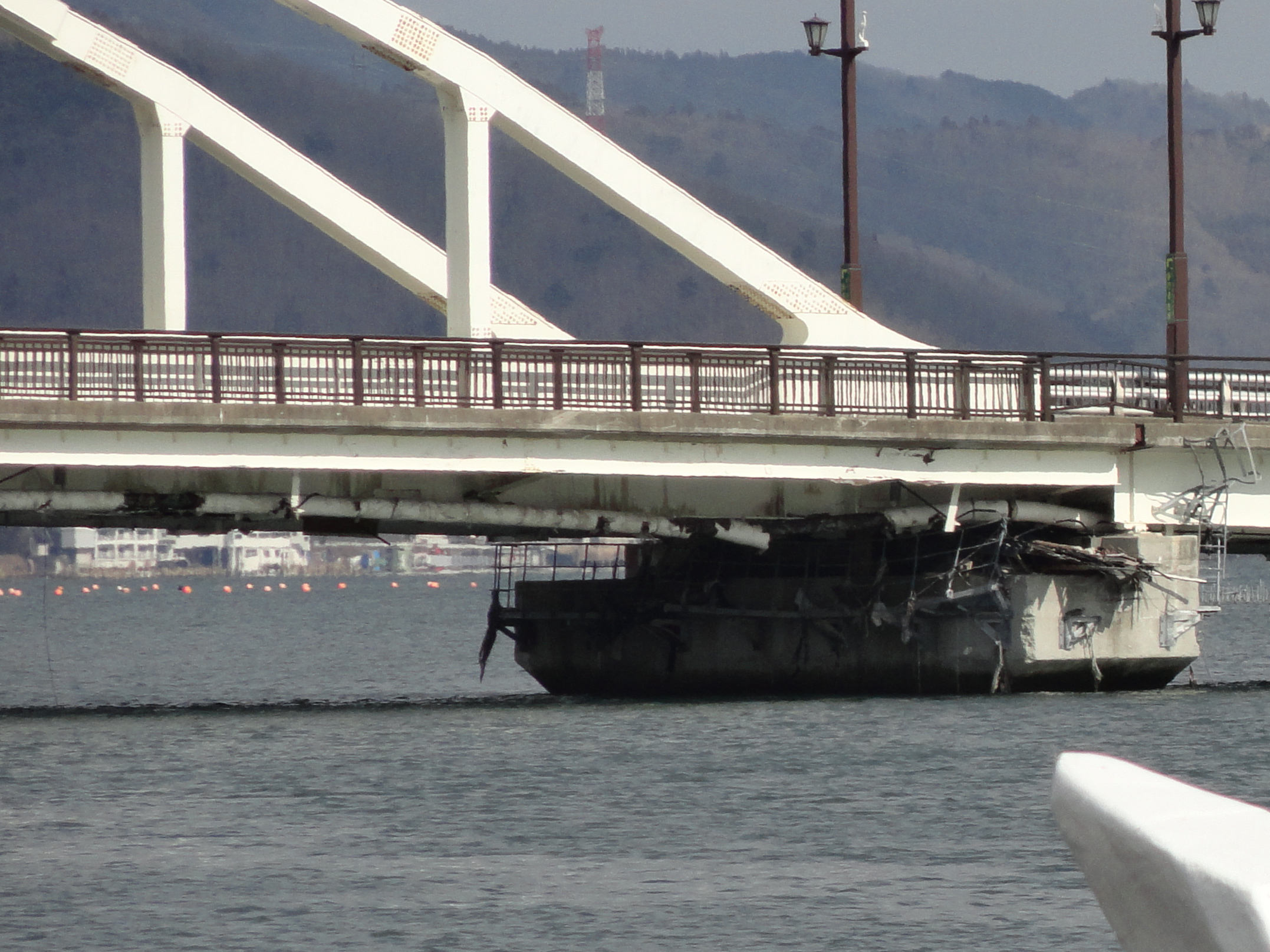
After coffee and a quick bagel, we all piled back into the van. The Samaritan’s Purse camp was about 30 minutes outside of town; therefore, we needed to make our way to our first work site. Weary, but willing, 11 of us piled back into the 9-seater van. The snow-covered fields and rolling hills that we drove through to get to town showed no signs of destruction; they were too far inland. The landscape resembled more of a Missouri or Kentucky countryside in the winter than that of what I expected to see in Japan– but then again, I already admitted that I didn’t know what to expect. As we neared the coast, we left the open agriculture and traveled through a tunnel in the surrounding mountains. Once we made it through and almost immediately, signs on the tsunami made themselves known. One of the walking bridges that allow pedestrians to safely cross over a street– the same street we were driving on– had become a dragnet for homes, cars, and other debris that floated along with the tsunami’s tide. I was told by those who had made this trip previously that cars had been wrapped around the pillars of these bridges in a manner that suggested they had not been riding a wave but had smashed into them in some sort of horrific traffic accident. On this trip, however, the cars and most of the debris that had been caught on these still-functional walking bridges like metal fish in a metal net were gone; only the bent and battered steel remained.

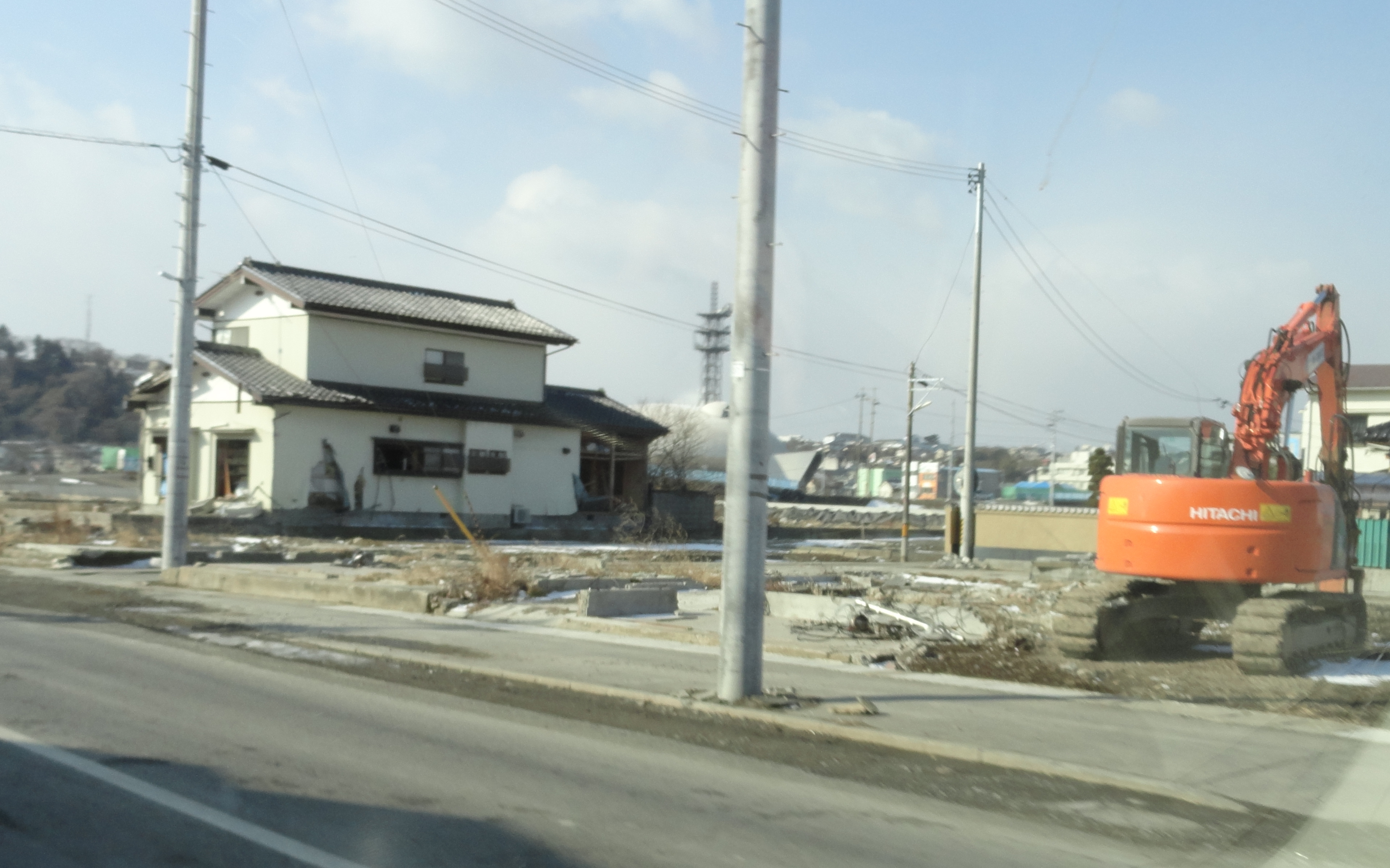
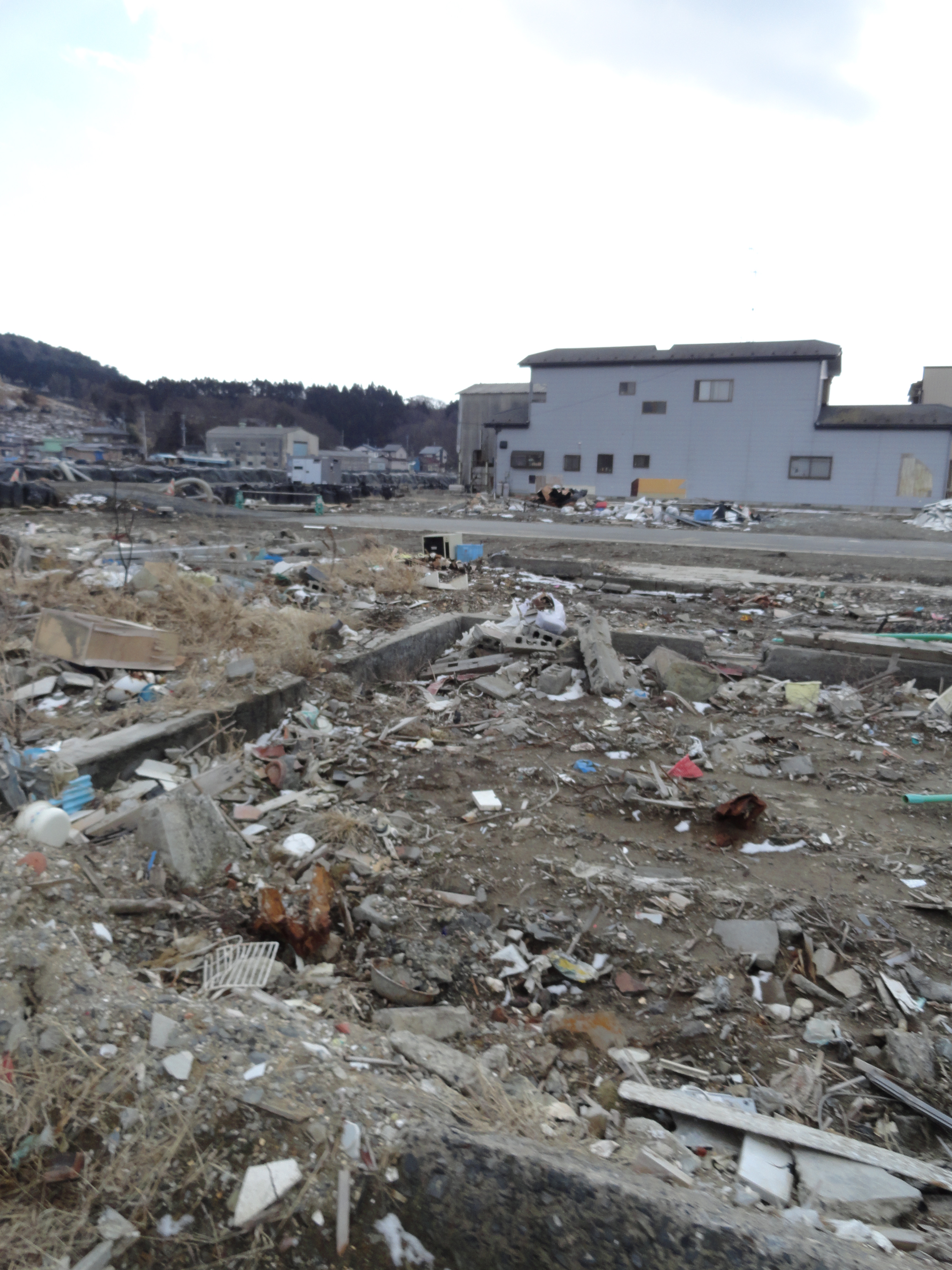
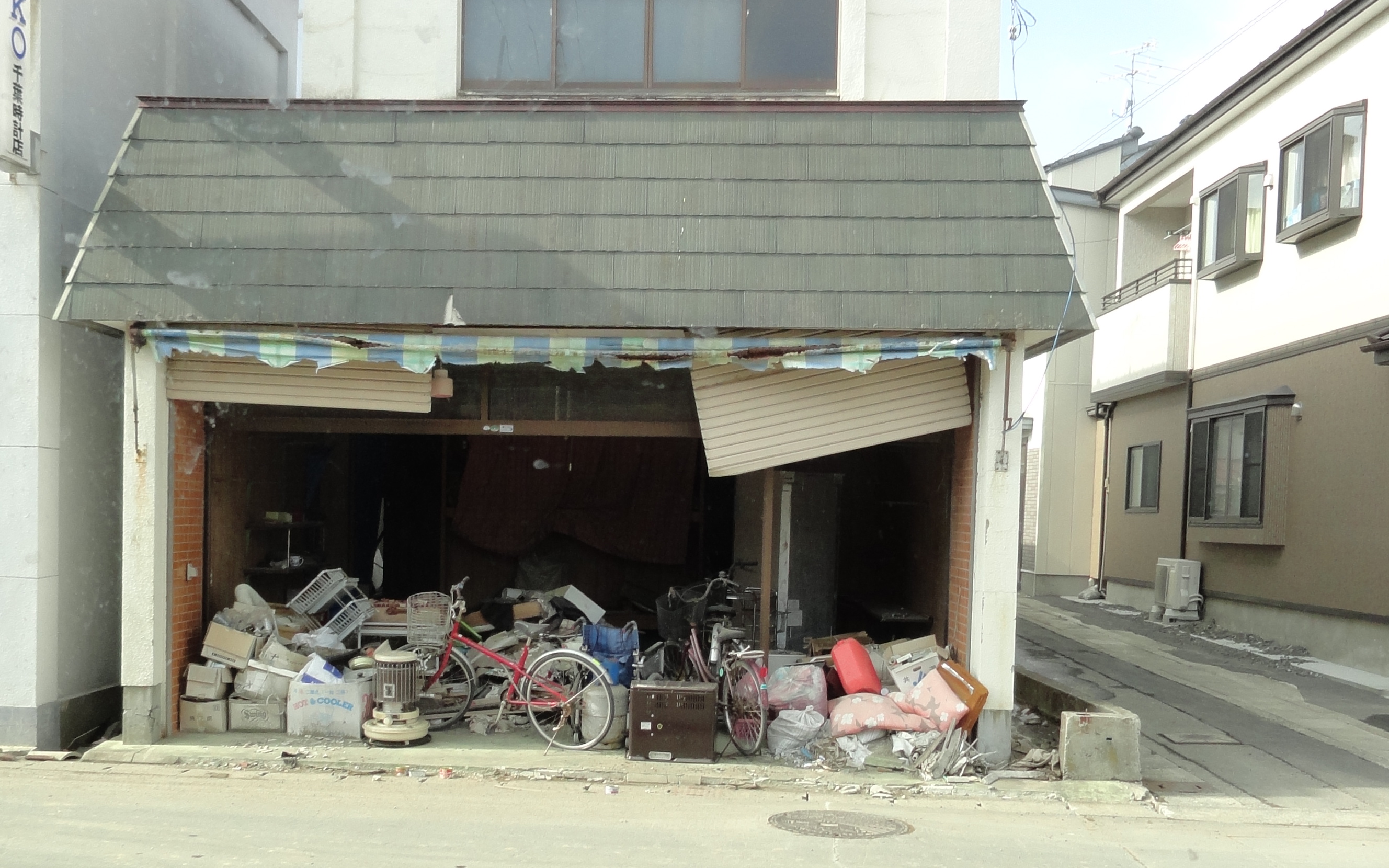
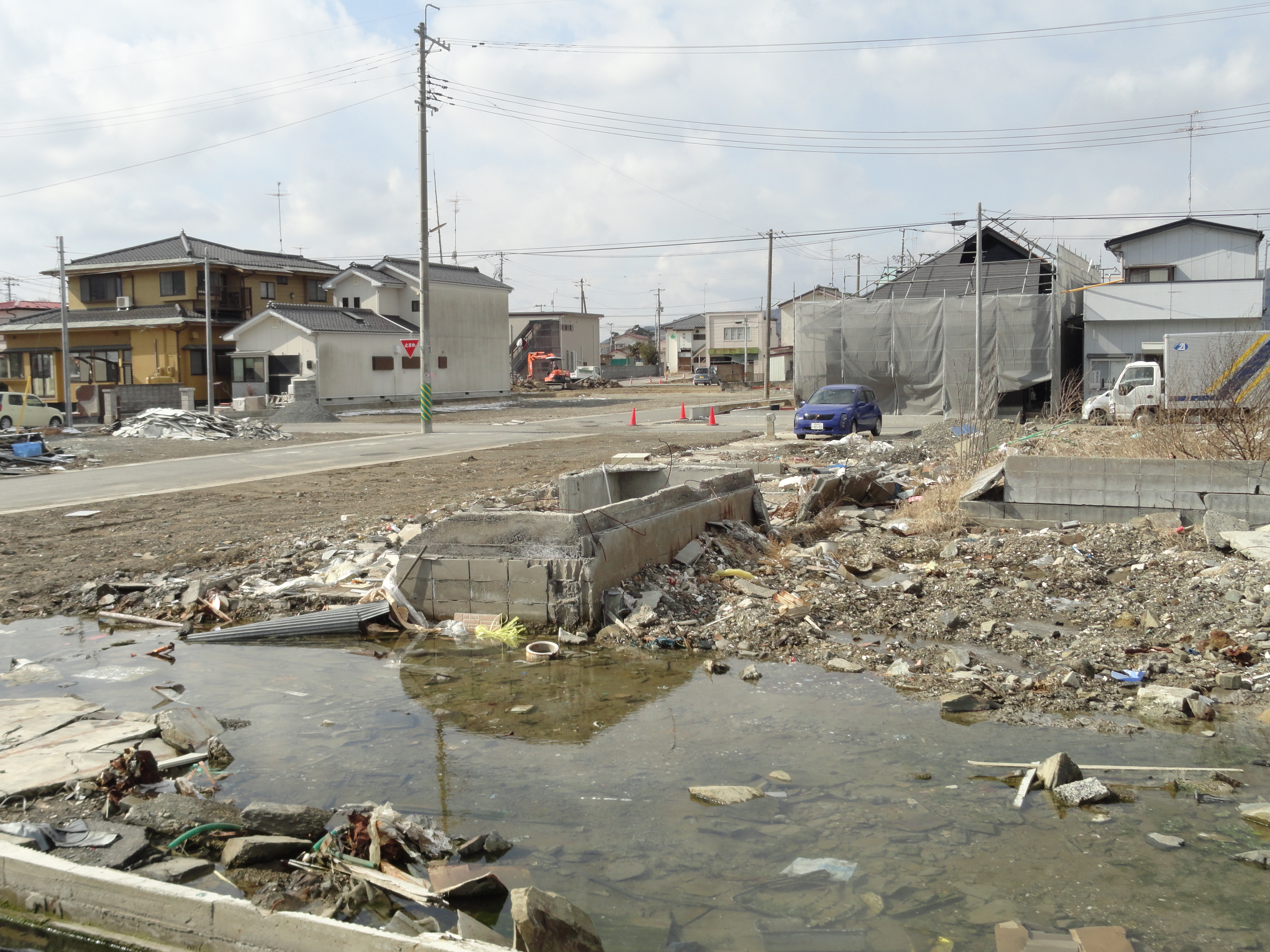
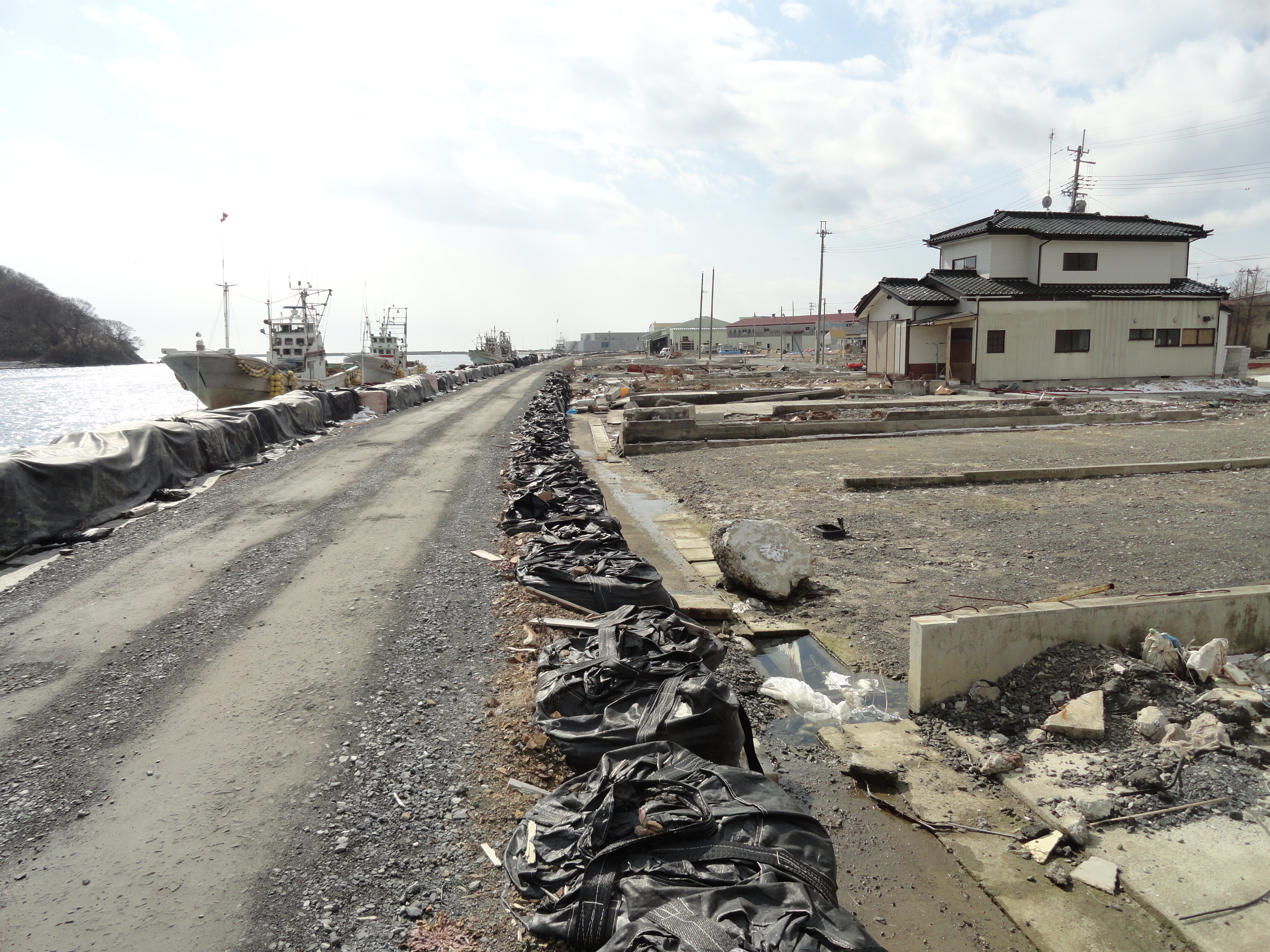
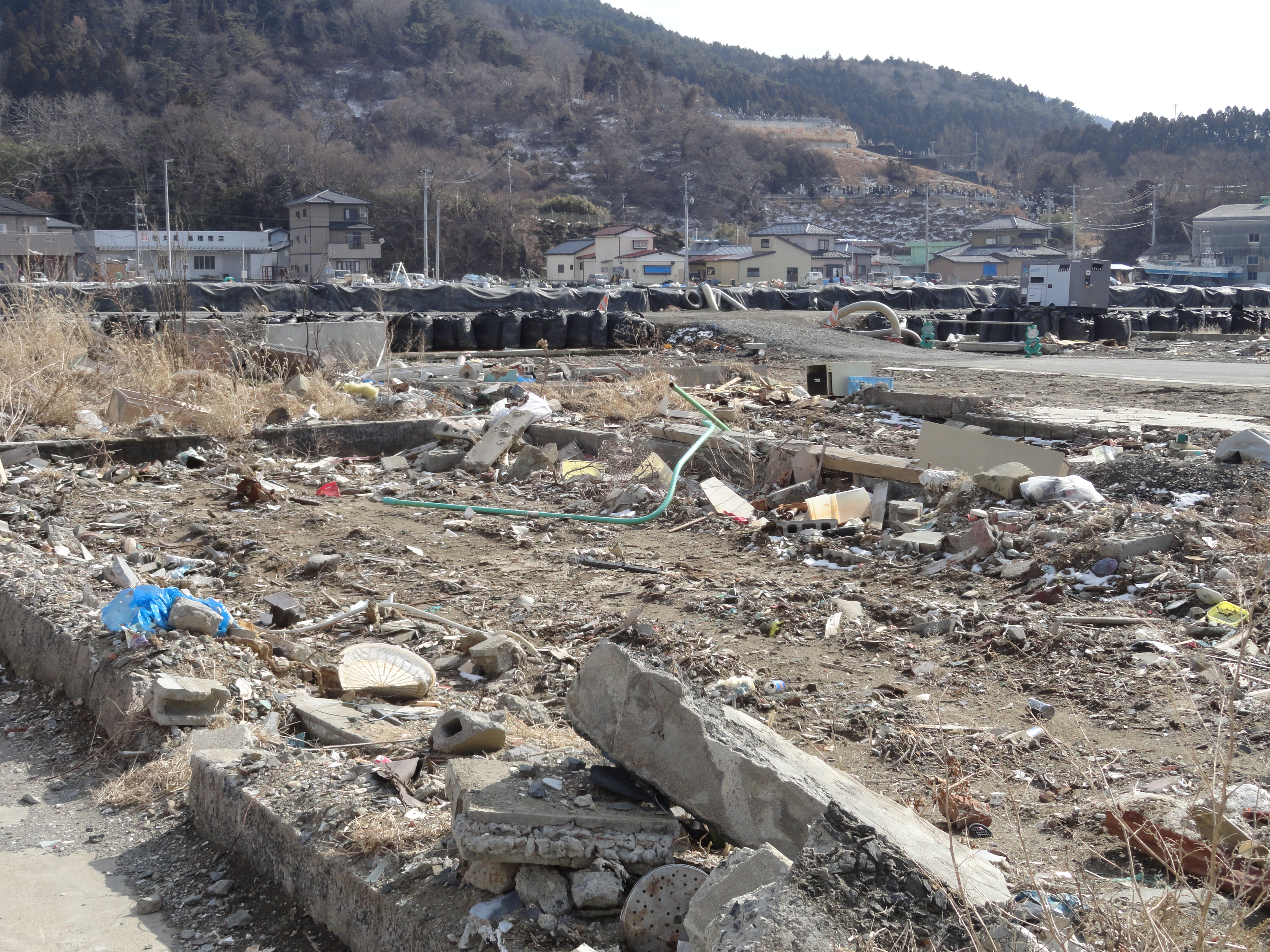
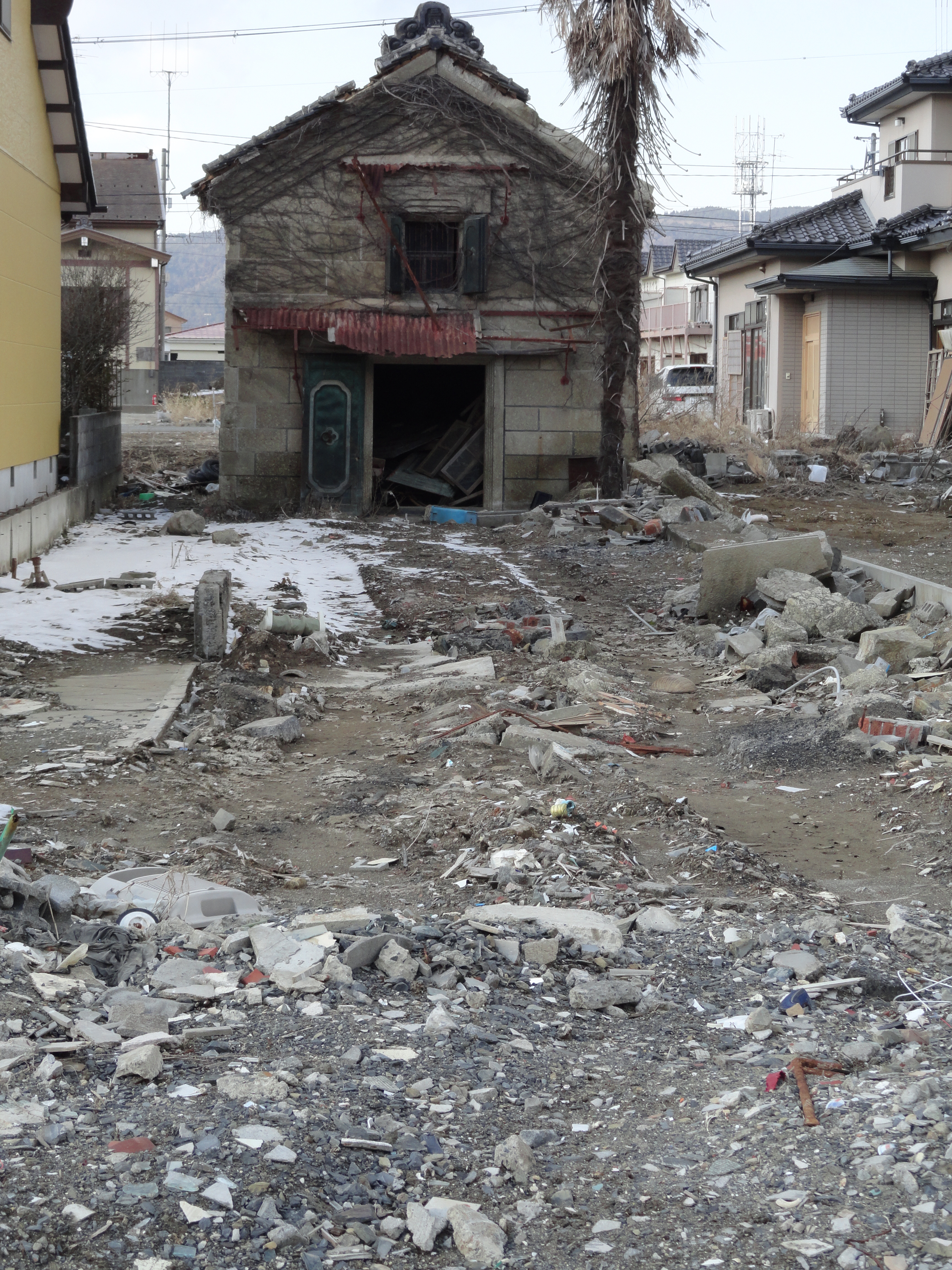
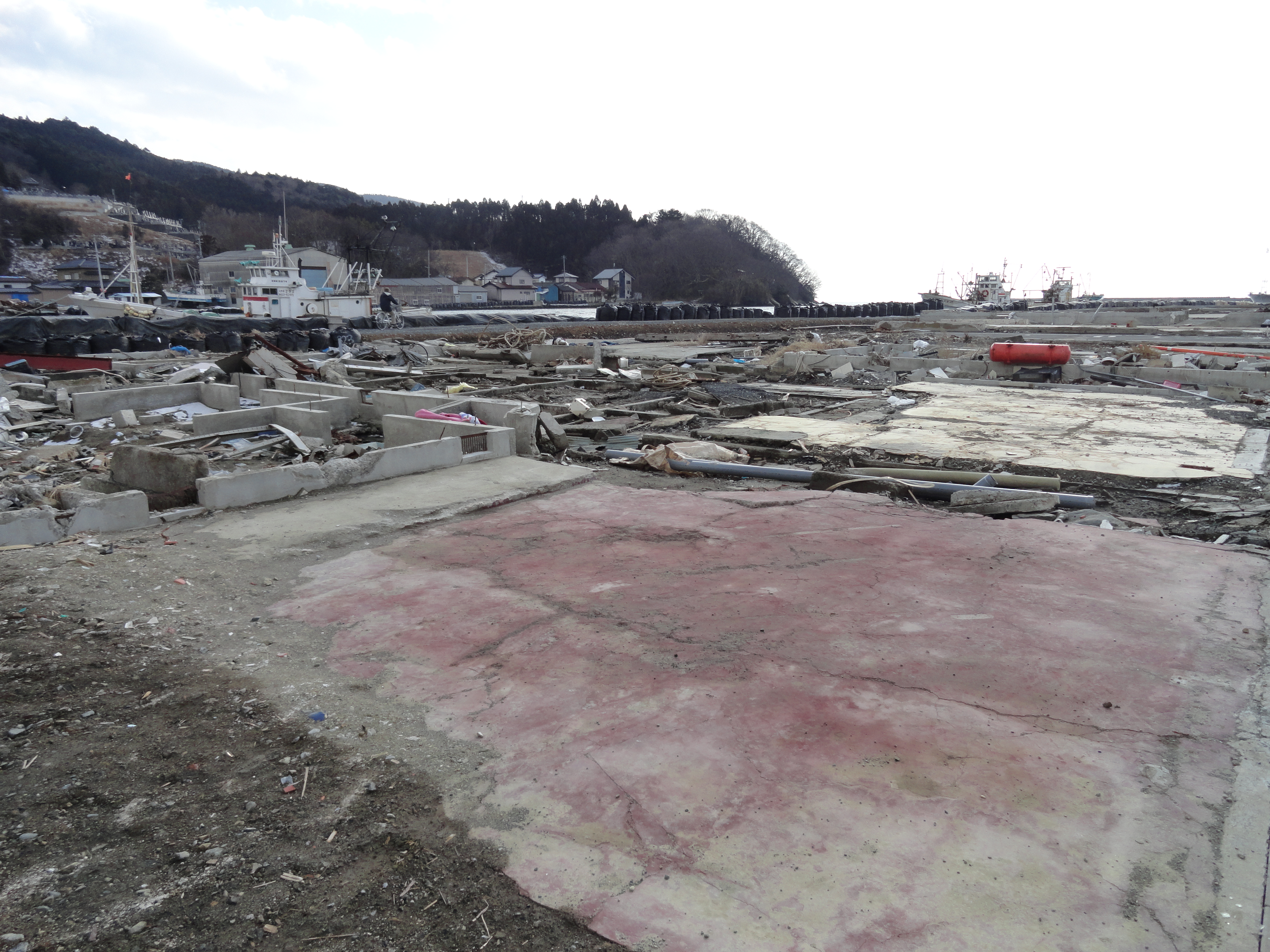
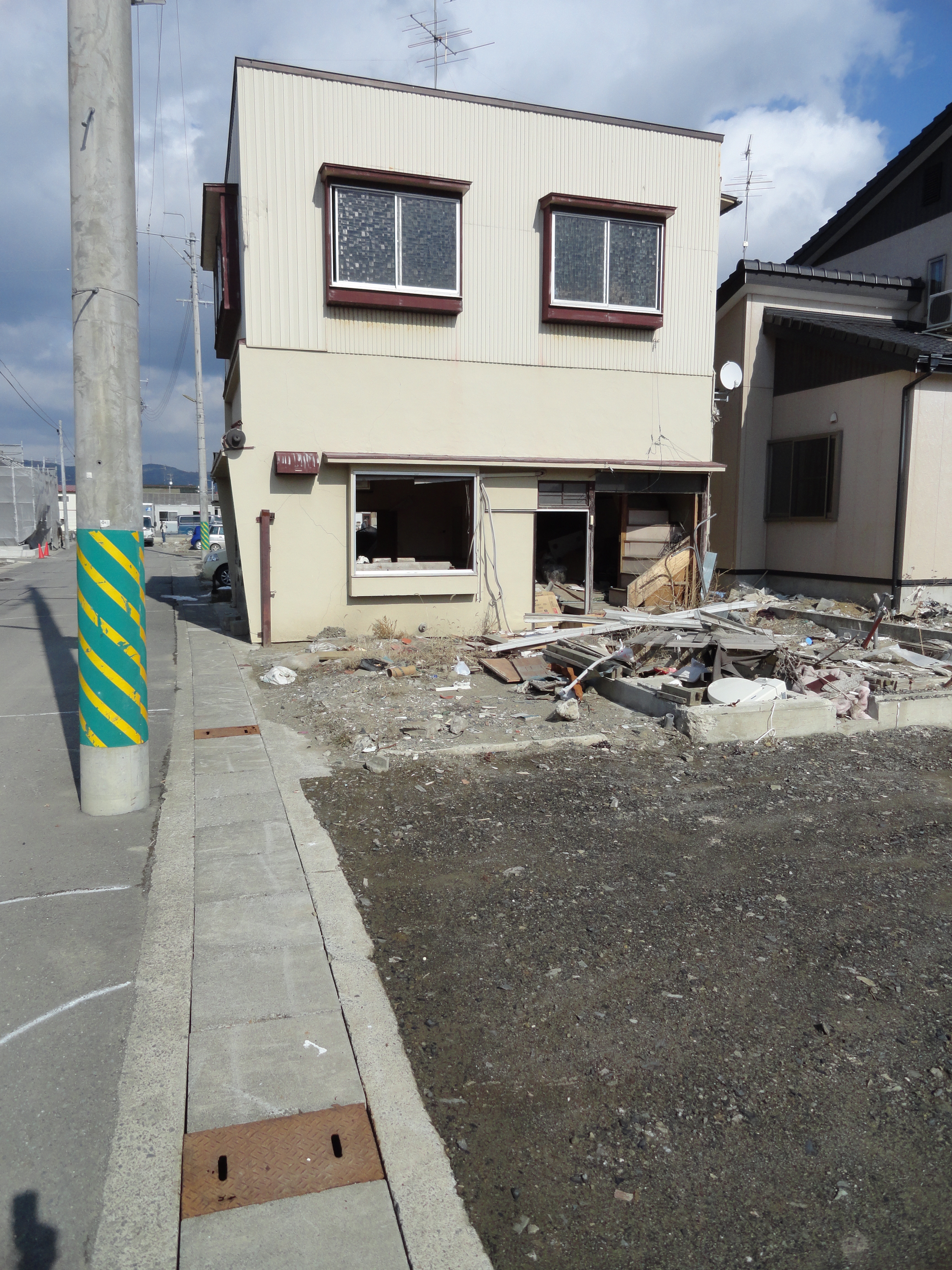
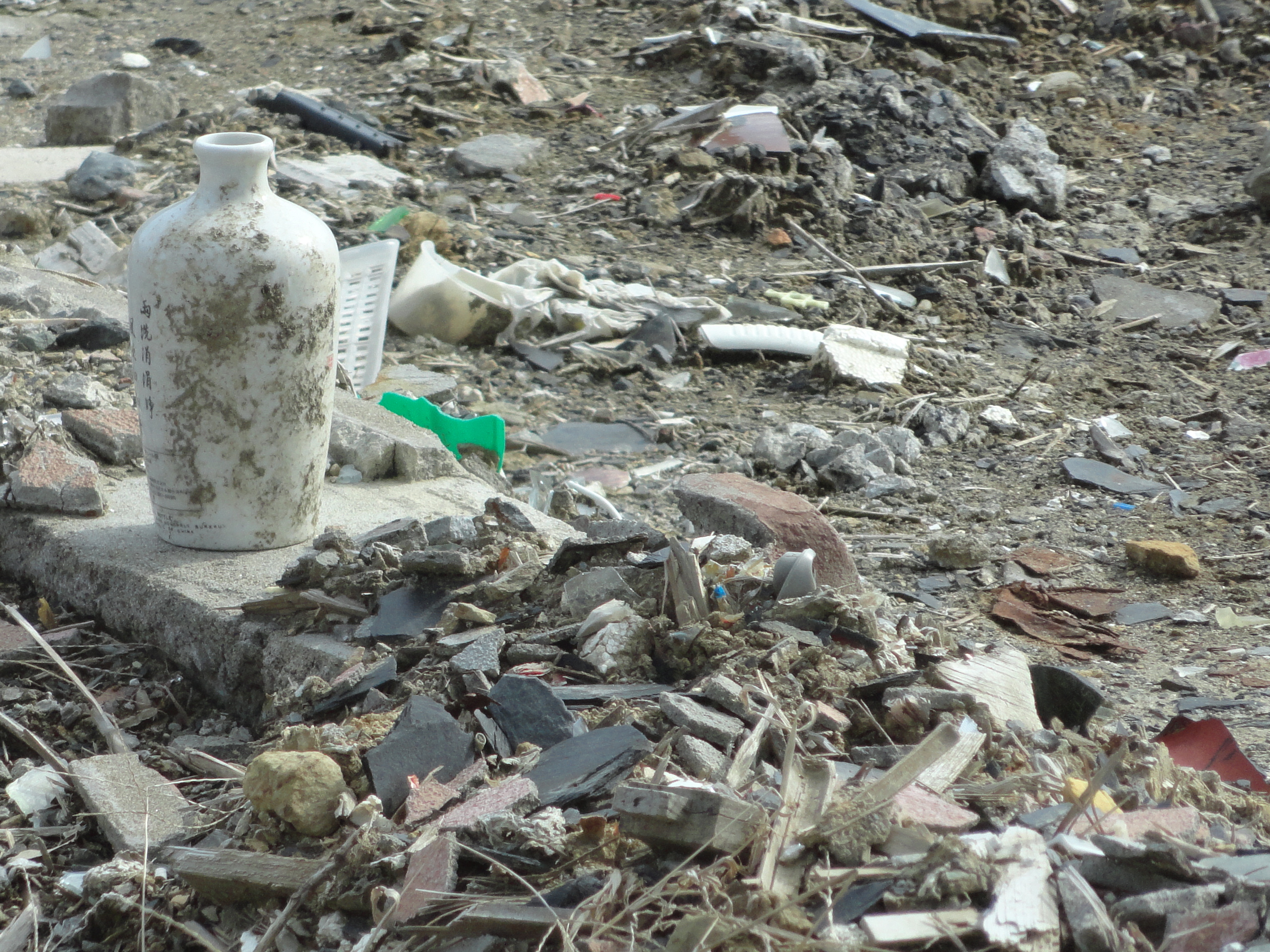
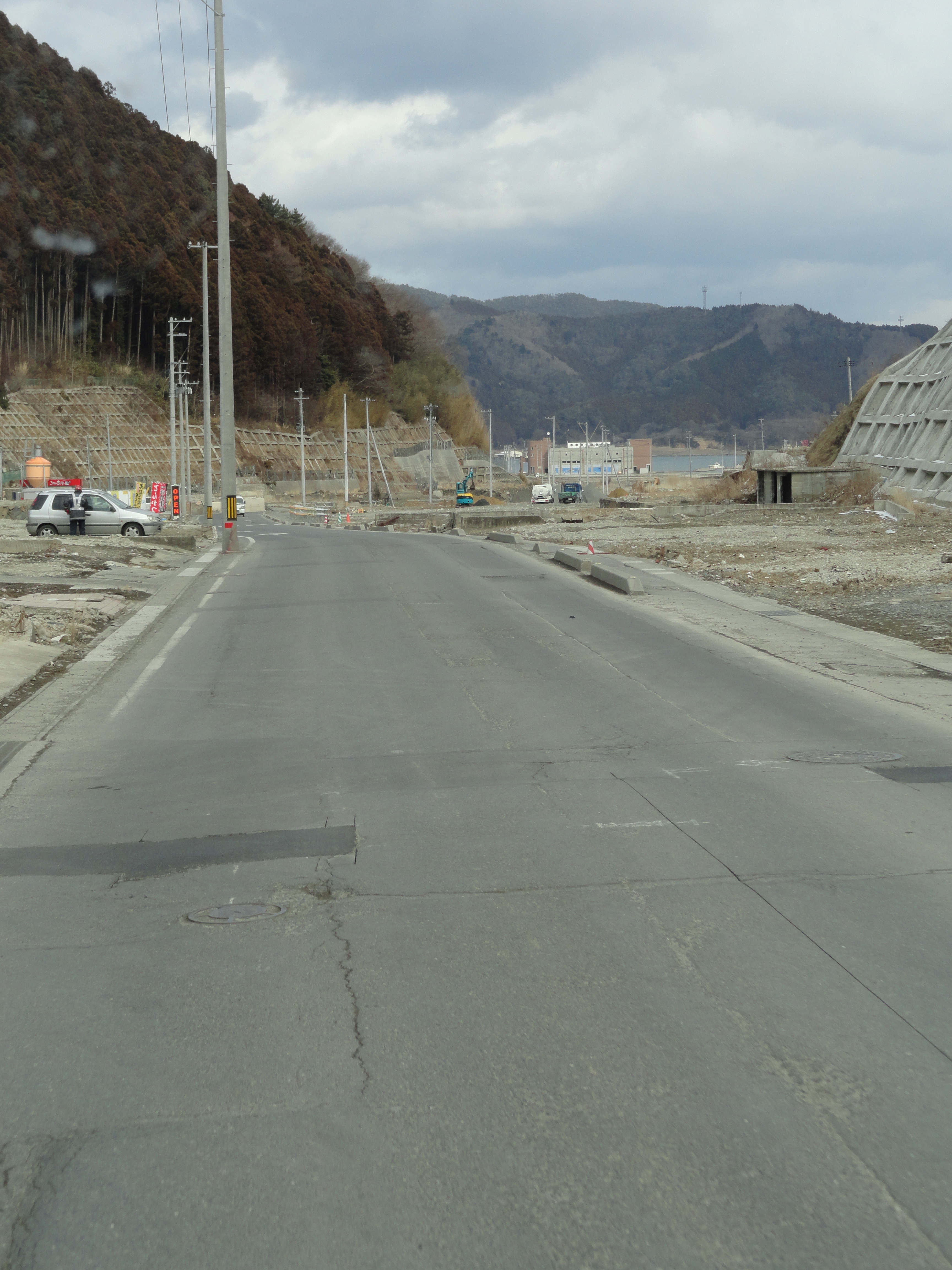
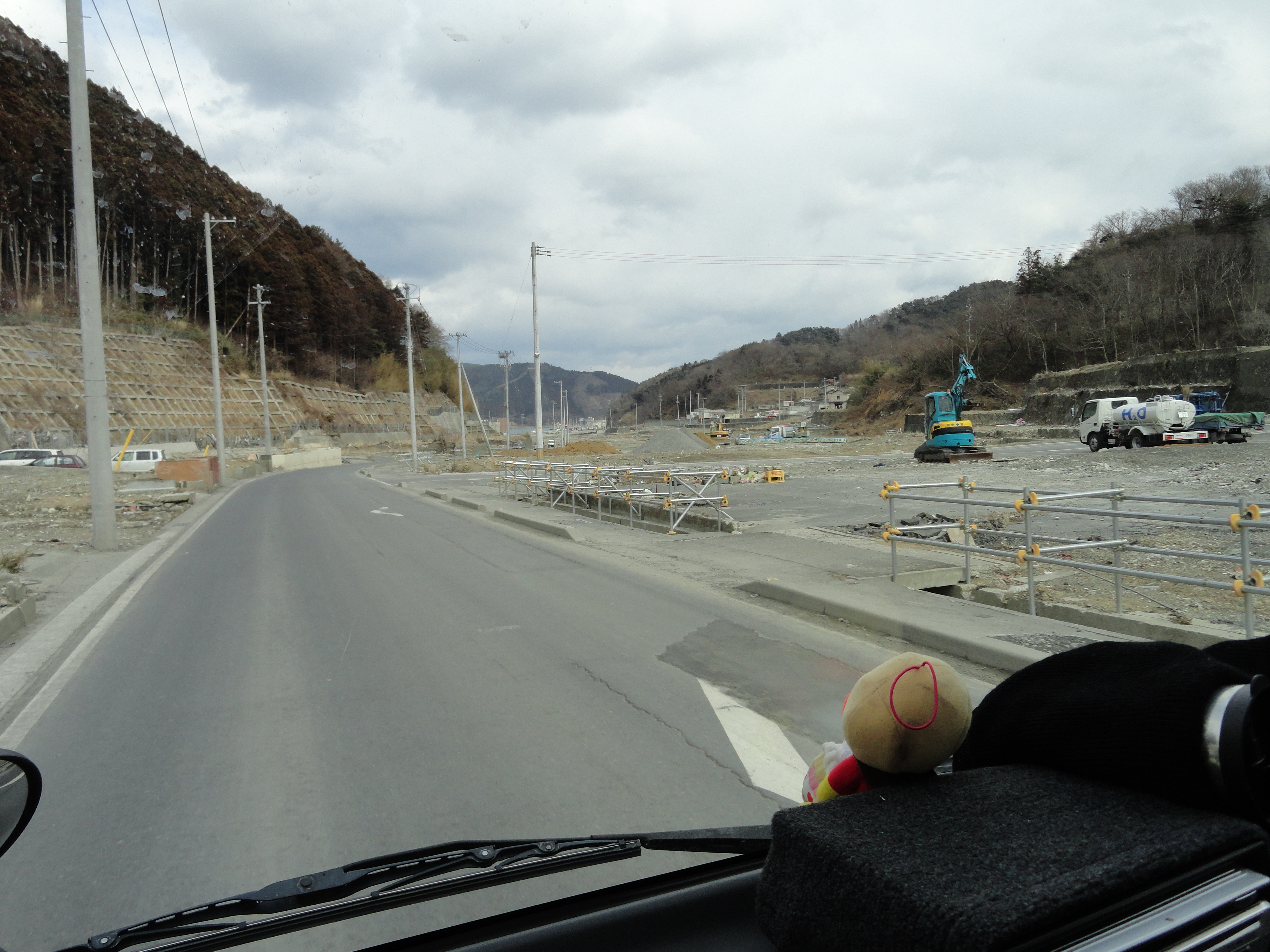
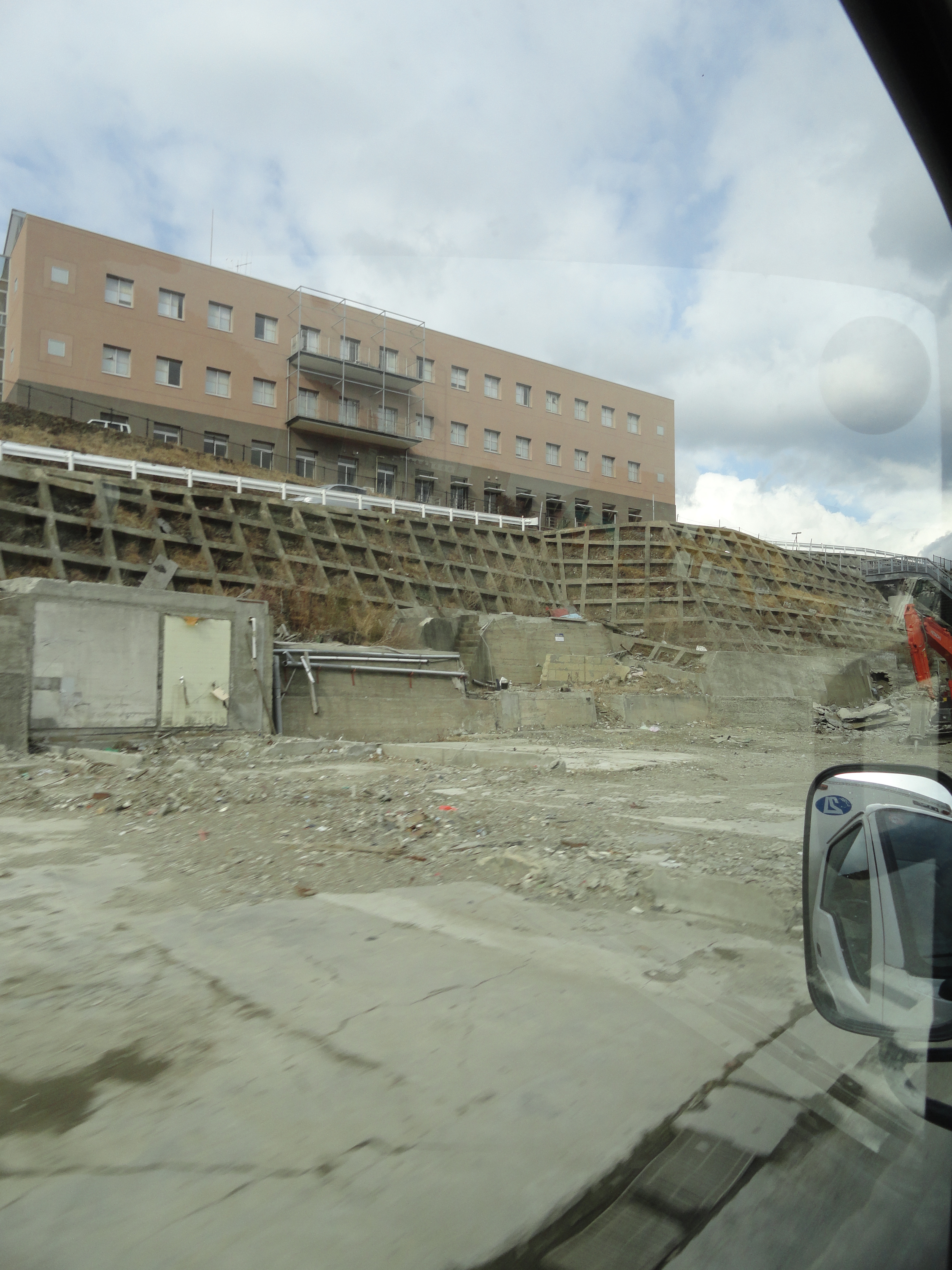
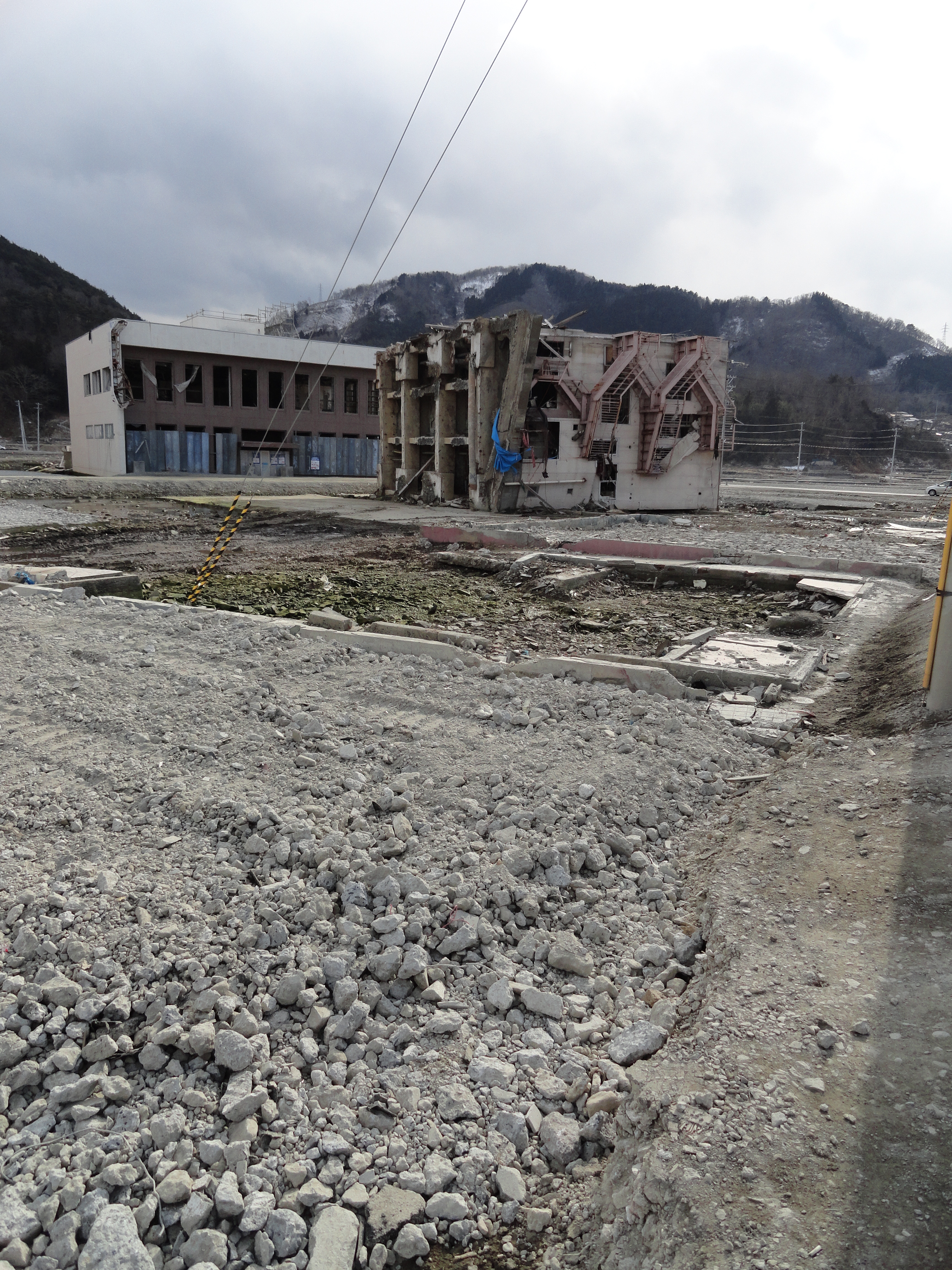
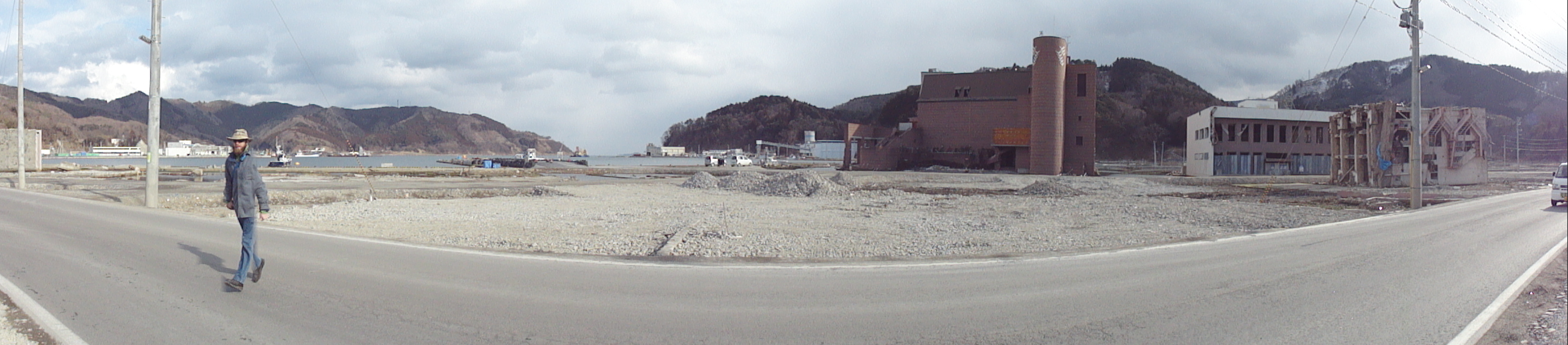
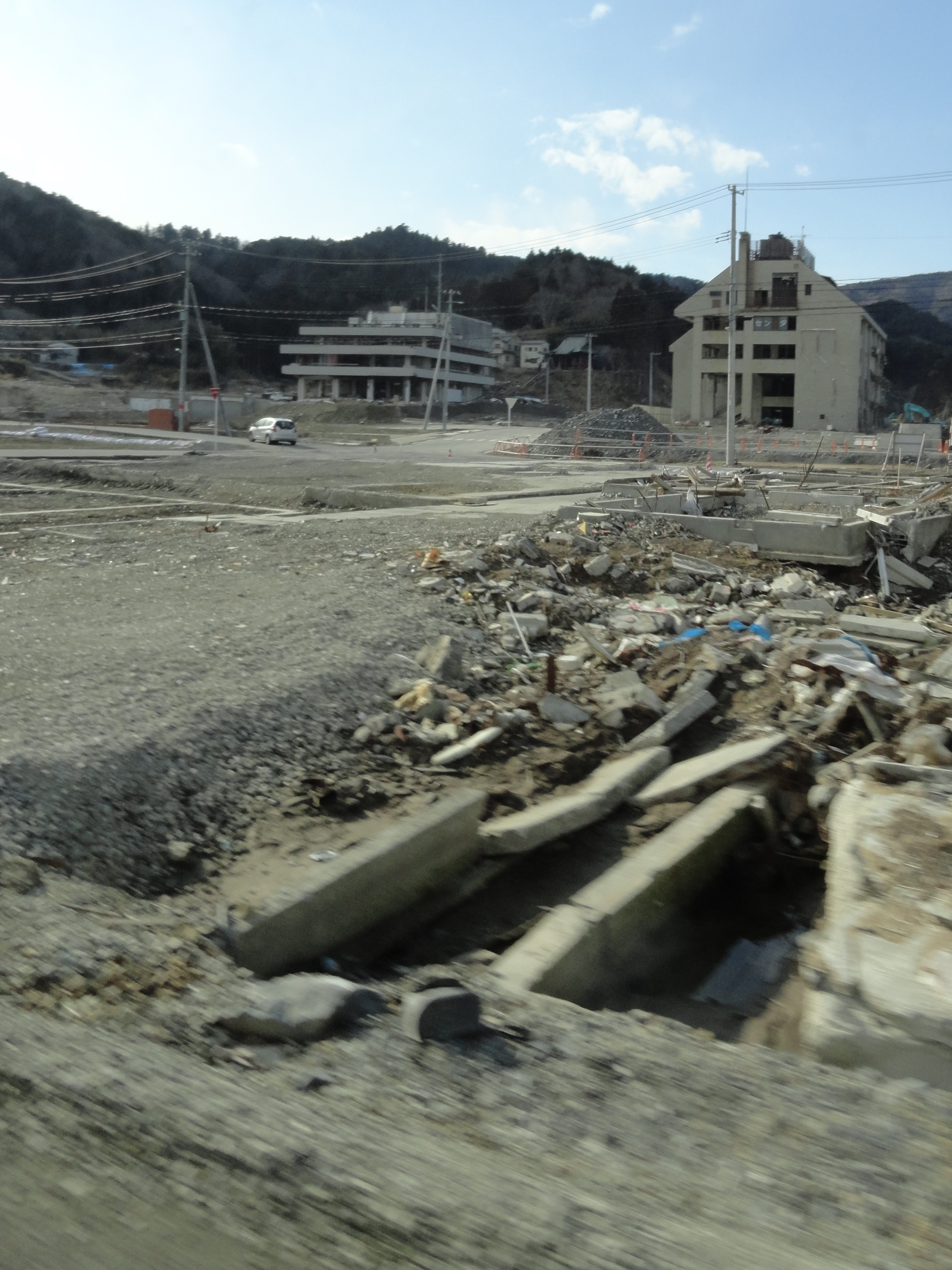
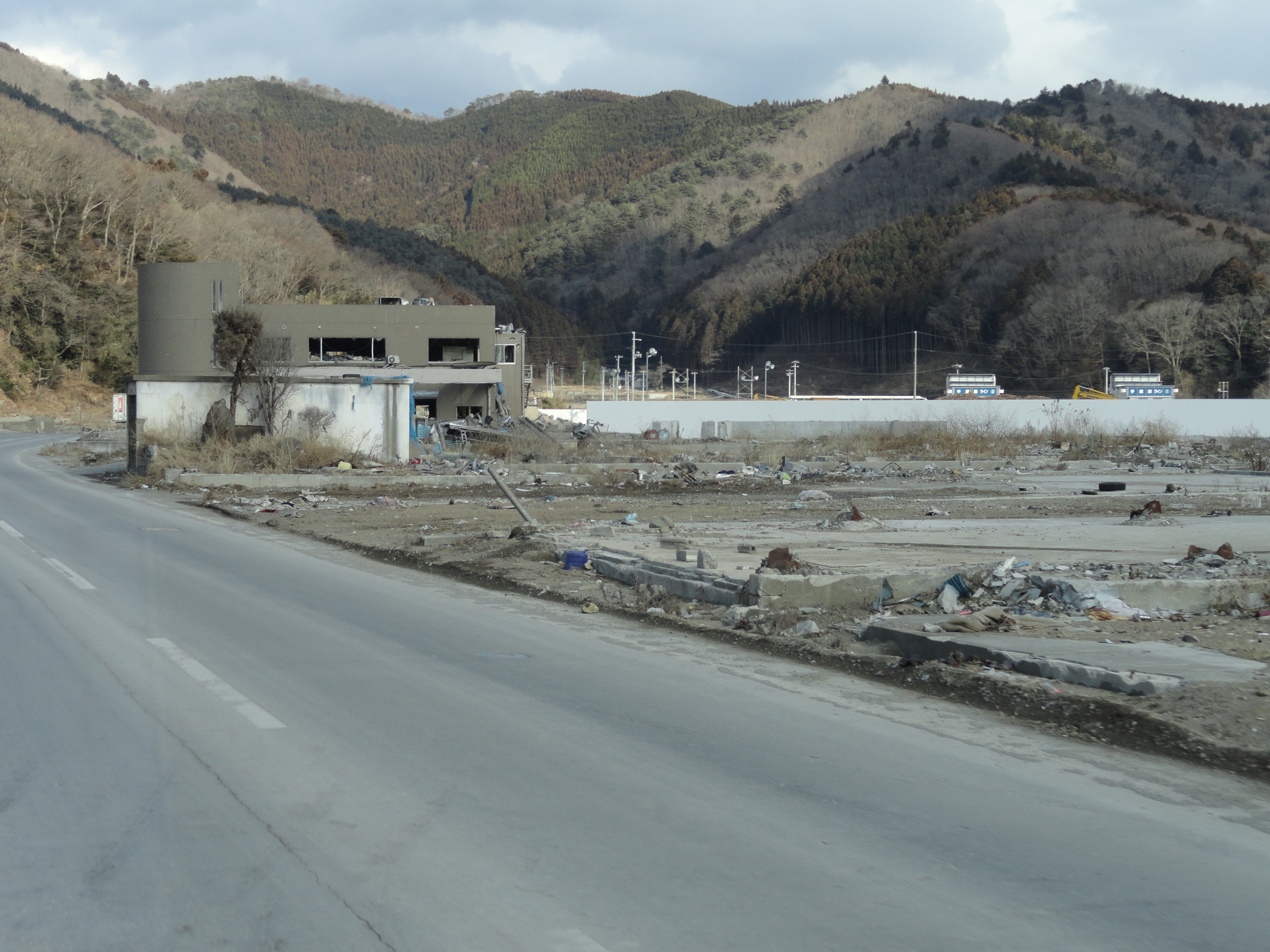
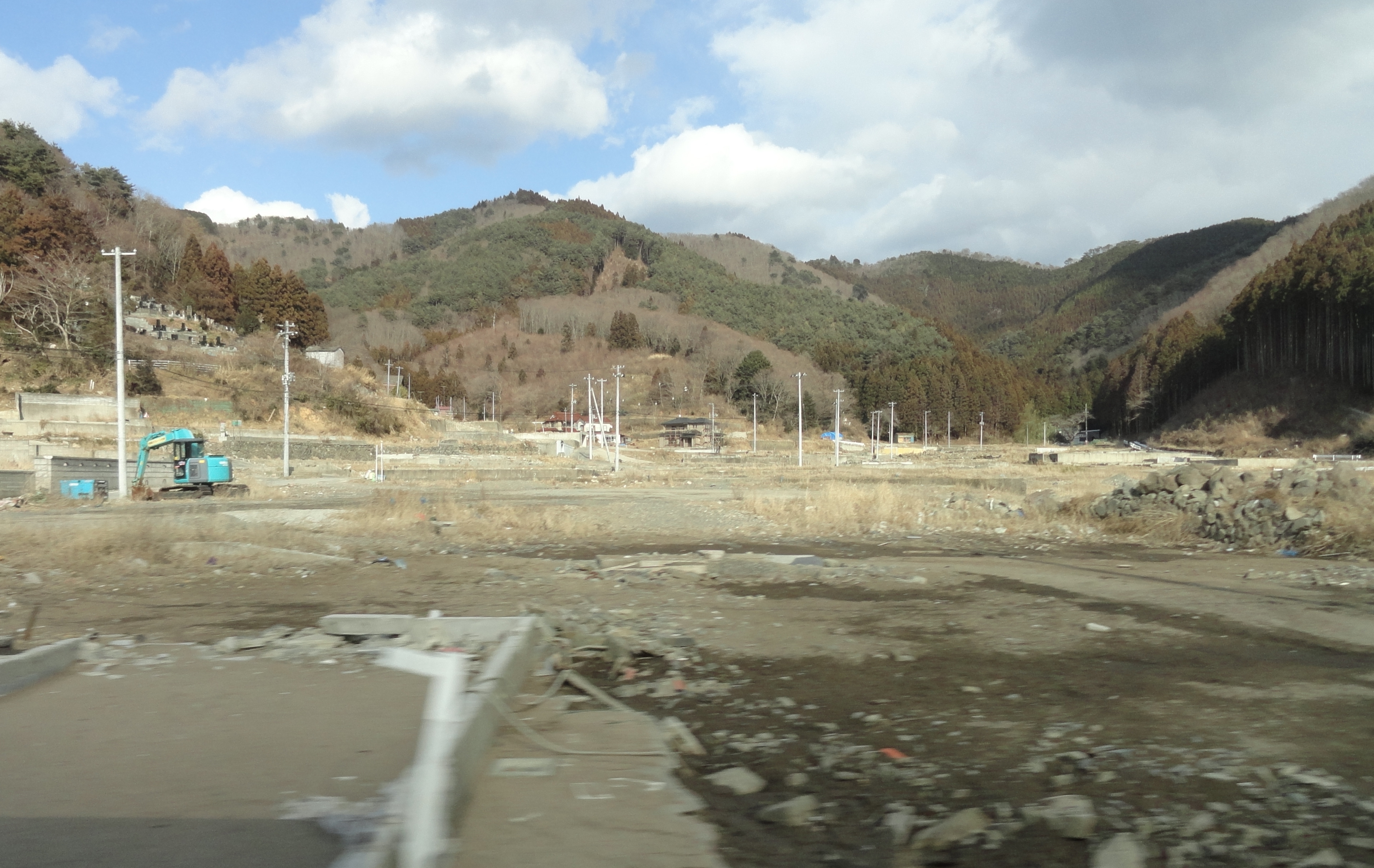
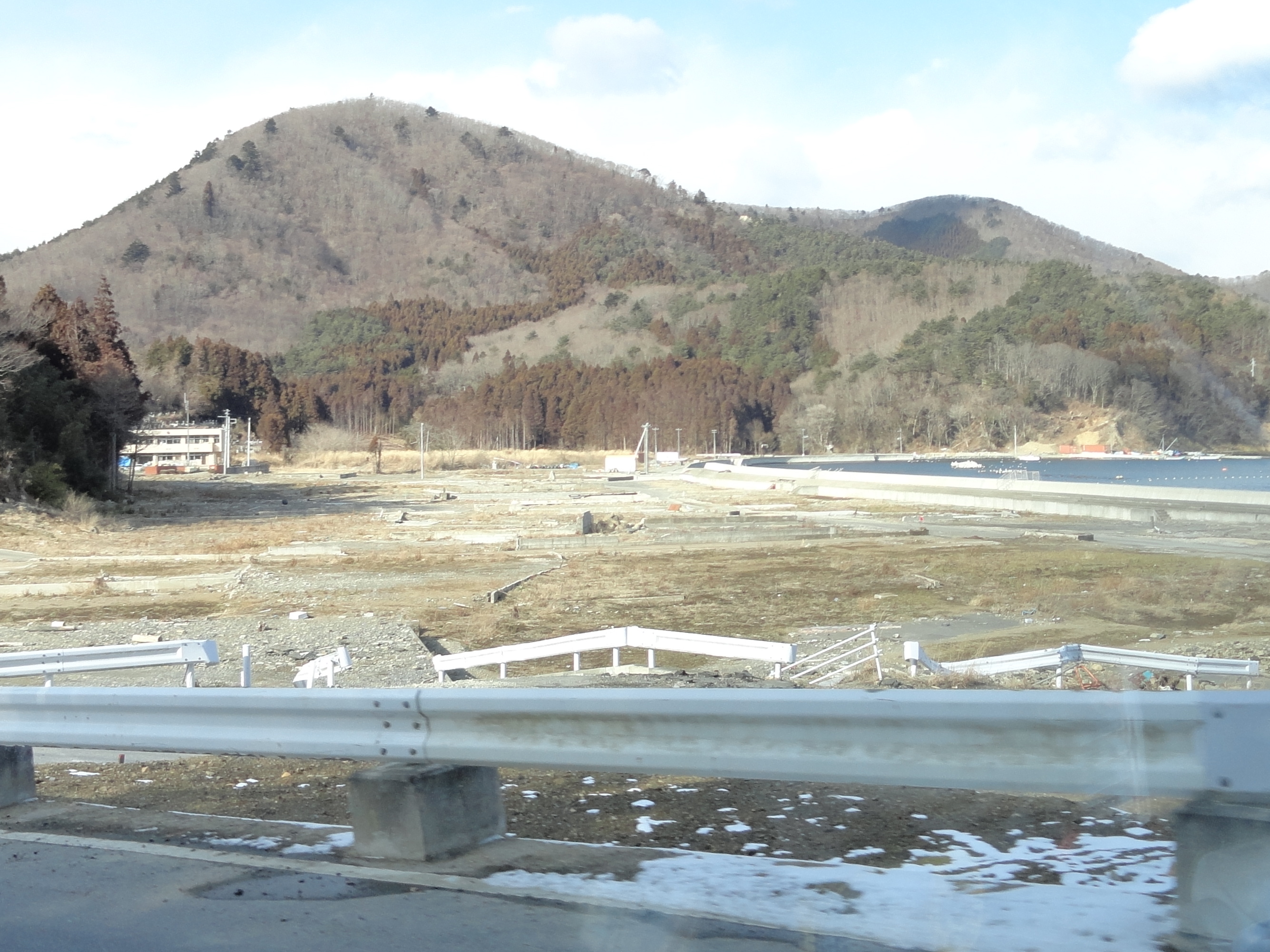
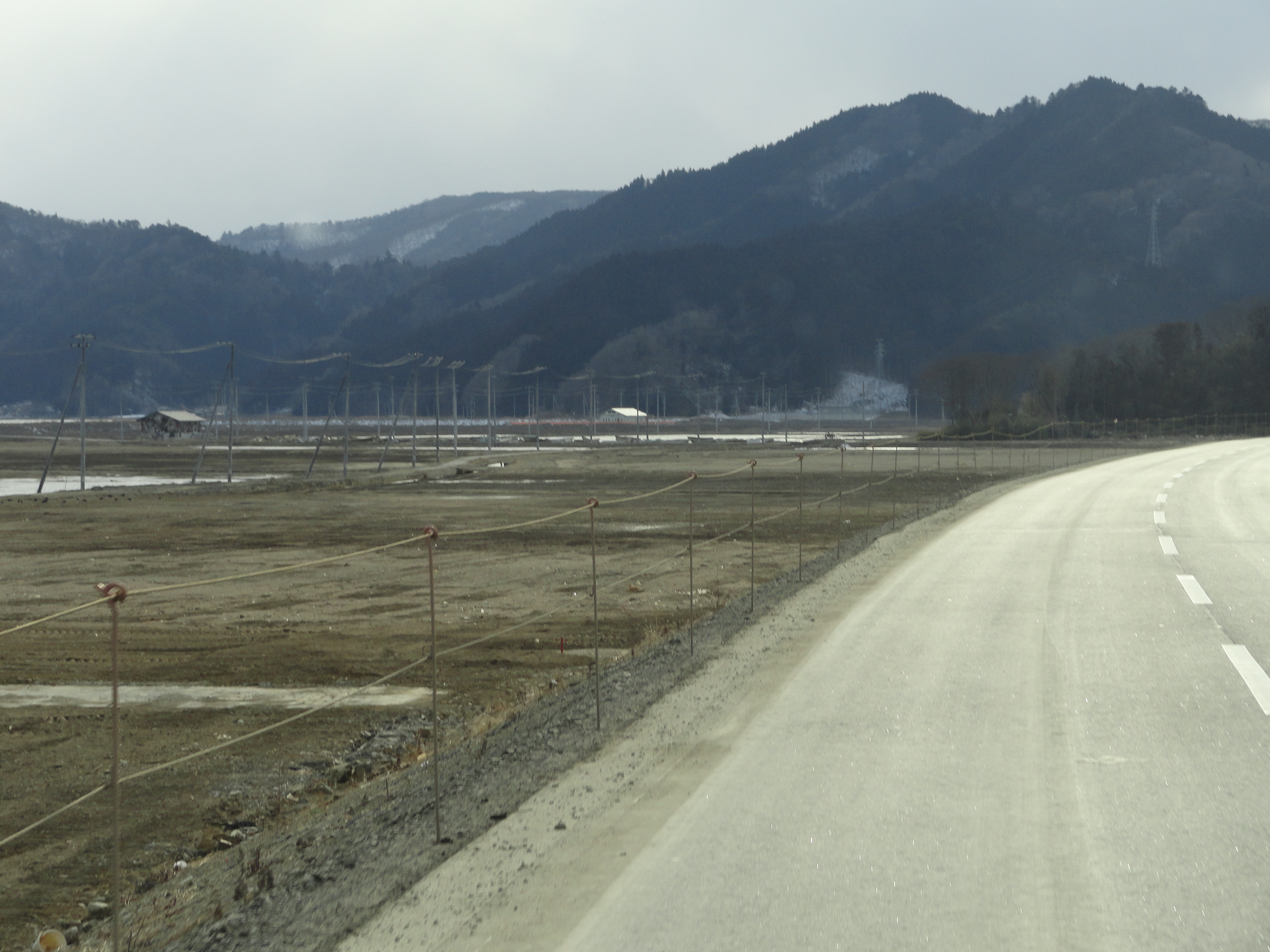
The next tell-tale sign of the tsunami’s destruction was one that initially escaped my sight. Once we started to drive down many of the streets in town, what I thought was simply the remnants of a park, undeveloped fields, or side yards lacking the proper care was actually the location of what used to be someone’s home. For a moment, my mind told me that these empty lots were not the stories of destruction, but were the signs of lots being surveyed and developed. Unfortunately, this was not the case– at least not yet. These empty lots were not being rebuilt; they were being abandoned either temporarily or permanently. After this realization, I began to count how many homes had been destroyed in a square block, and from my quick and rough estimation, it seemed that one out of every two homes in some areas had been completely destroyed. And in other areas, entire tracts were gone. It is one thing to hear the numbers– 80 to 90% of some neighborhoods were wiped out– but it is entirely different to walk down what is obviously a neighborhood block and see 80 to 90 to 100% of it reduced to small concrete piles and fields of frozen wild flowers.

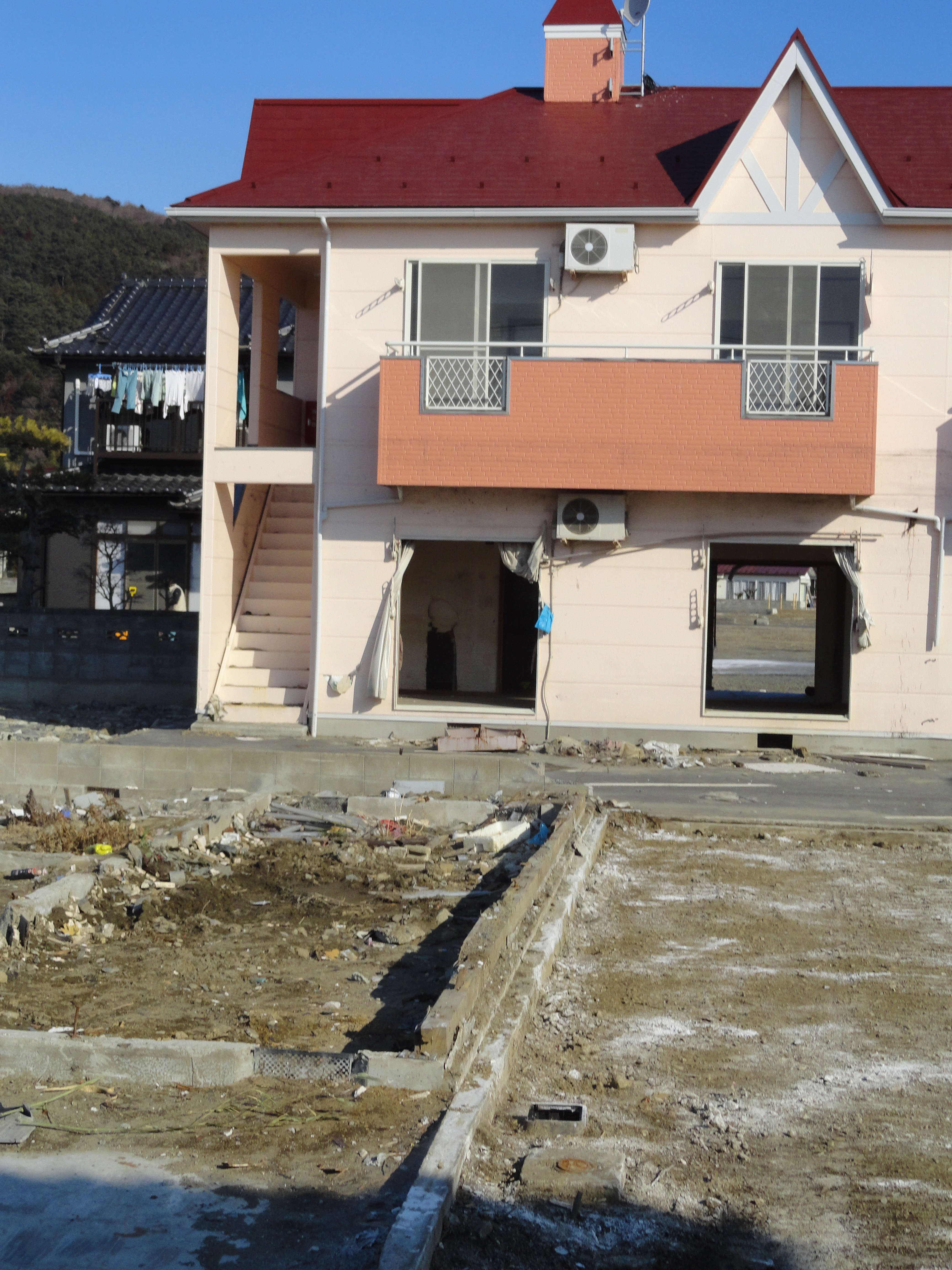
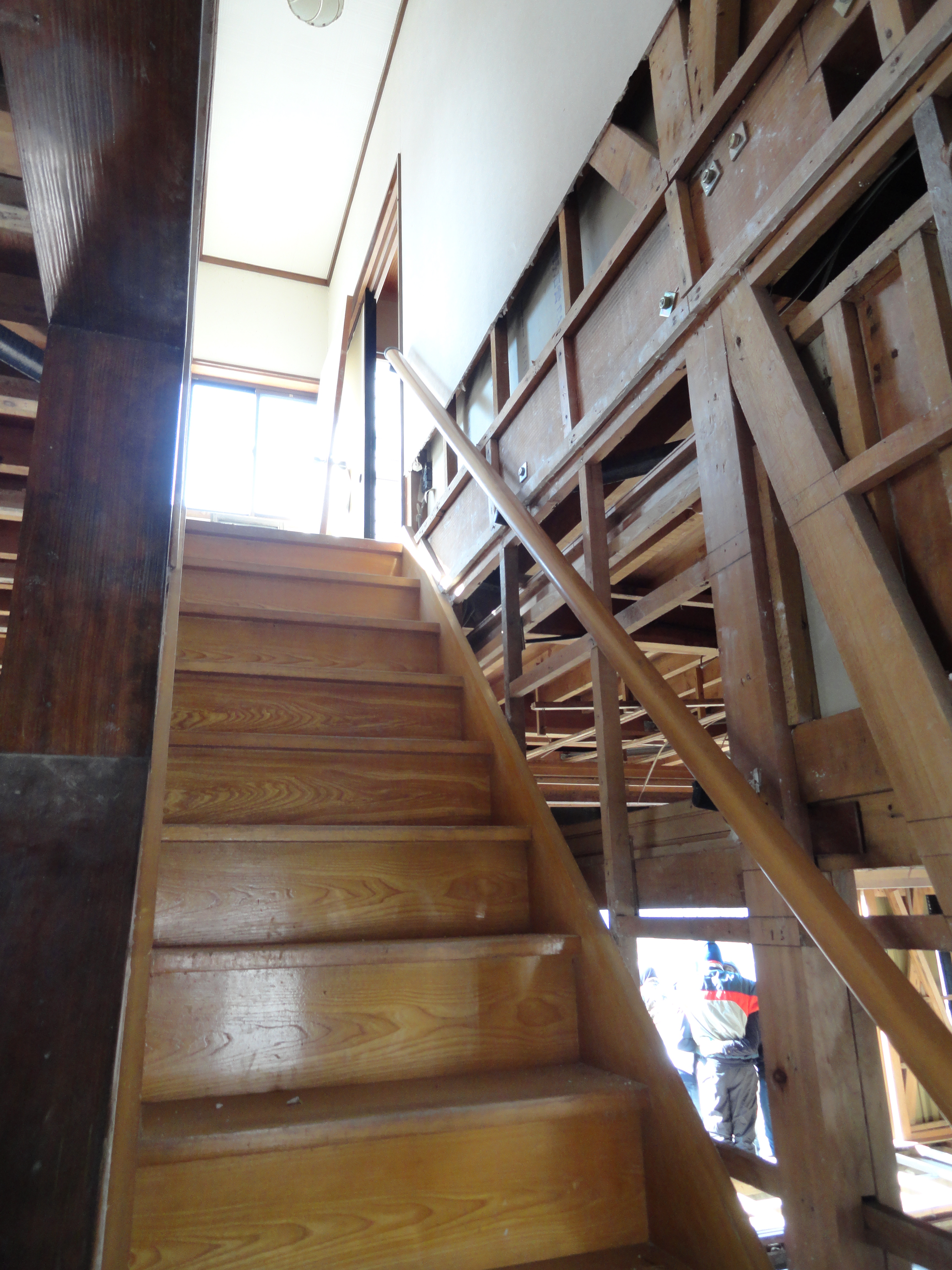
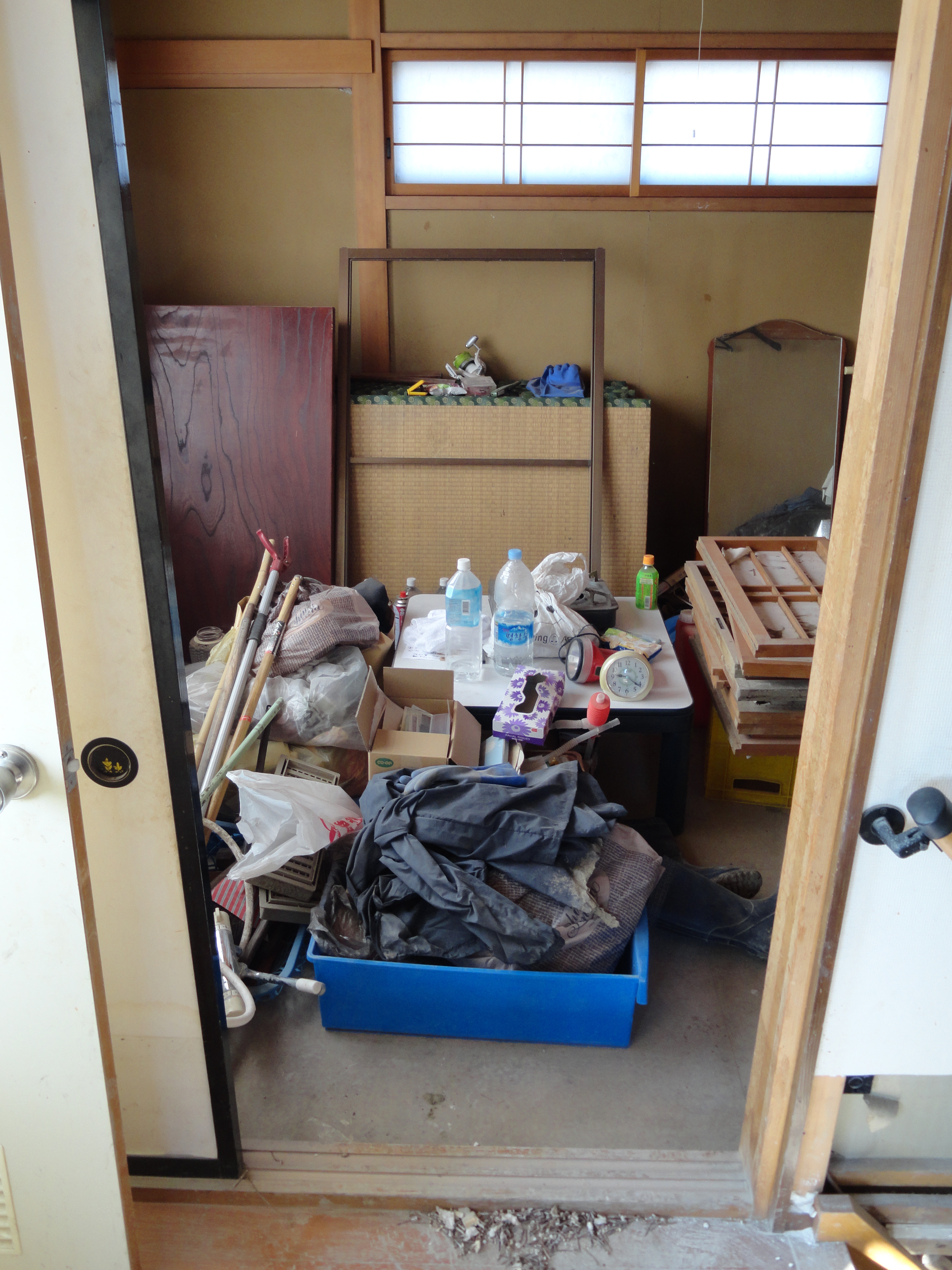
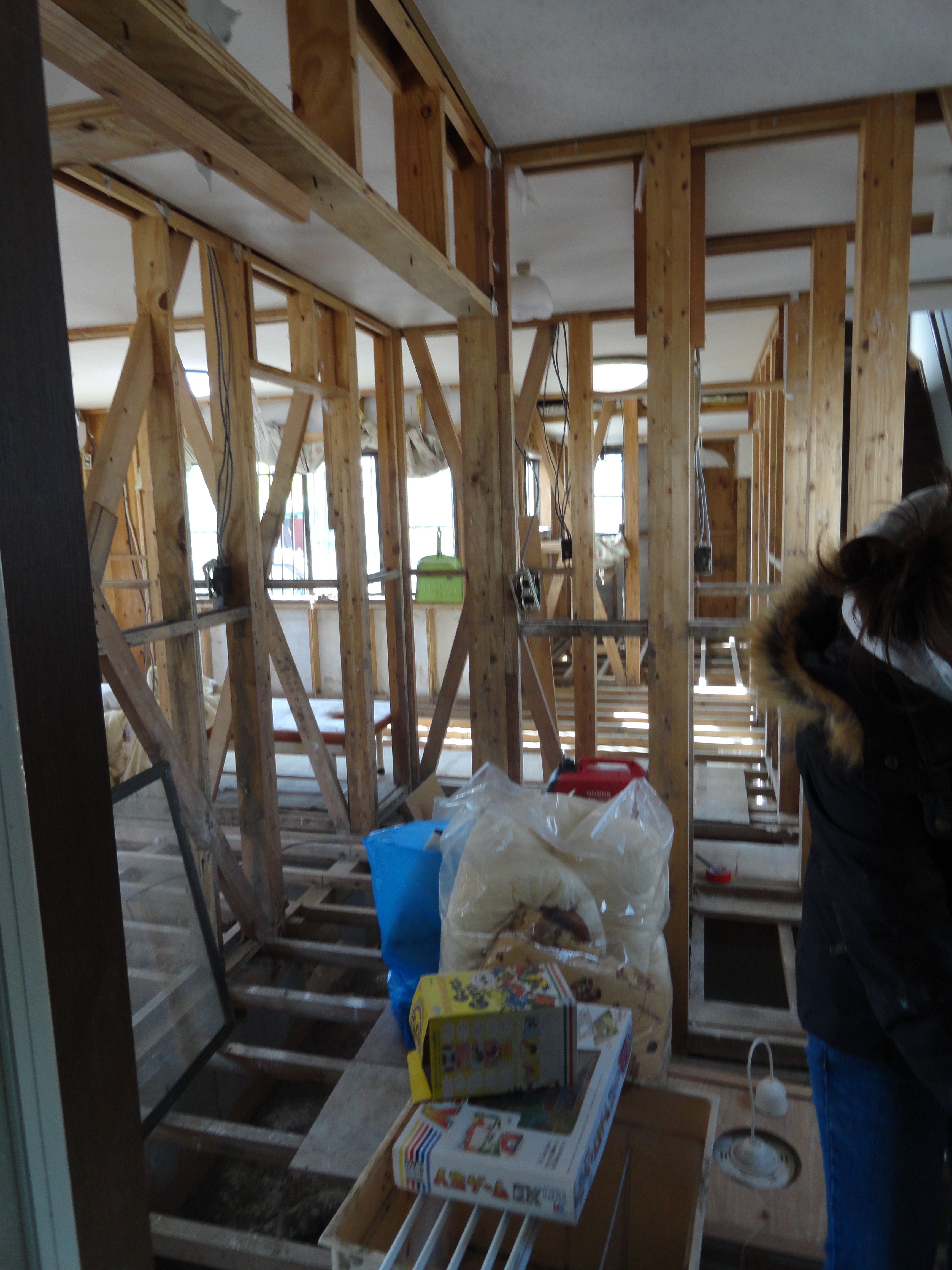
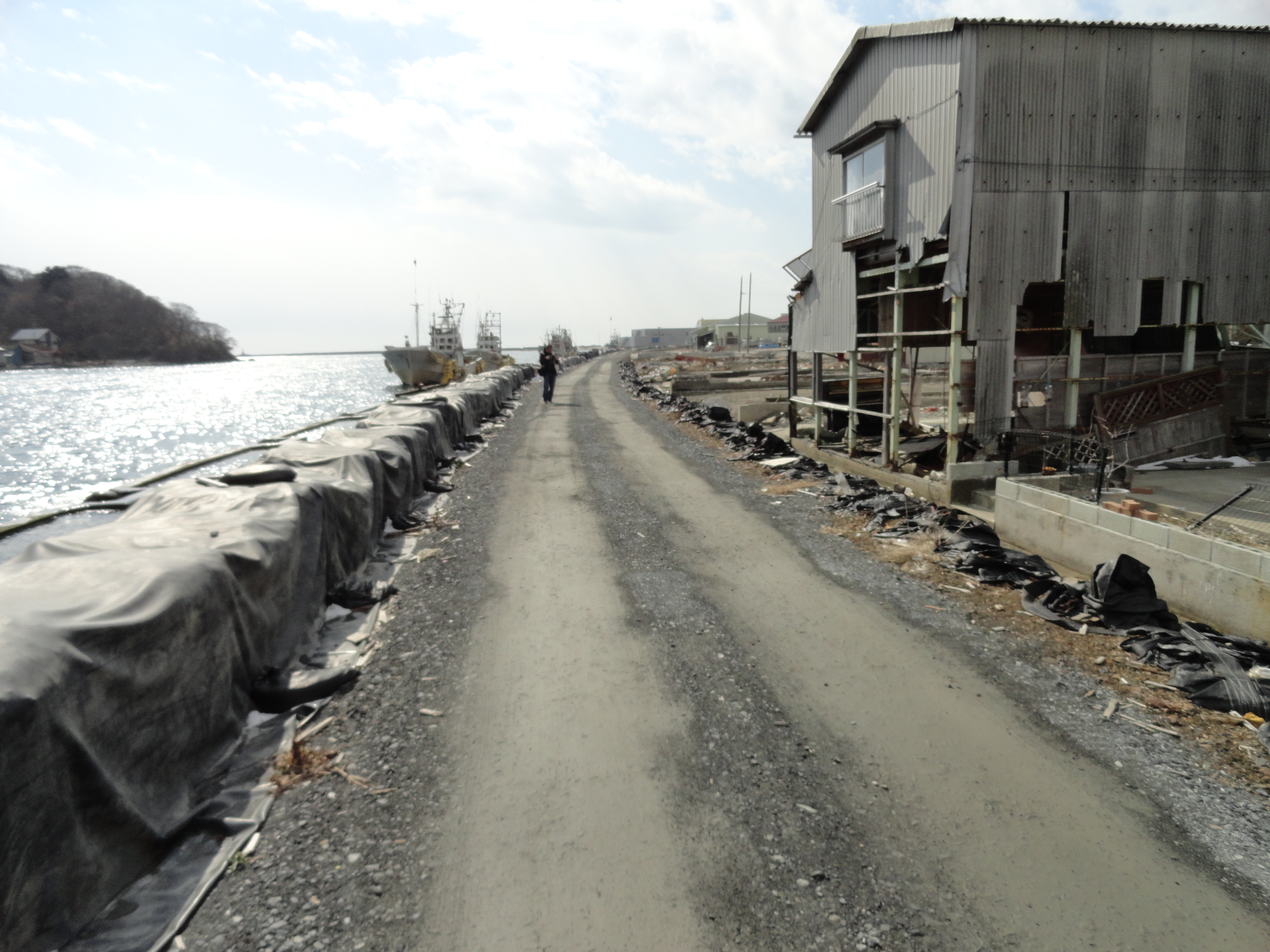
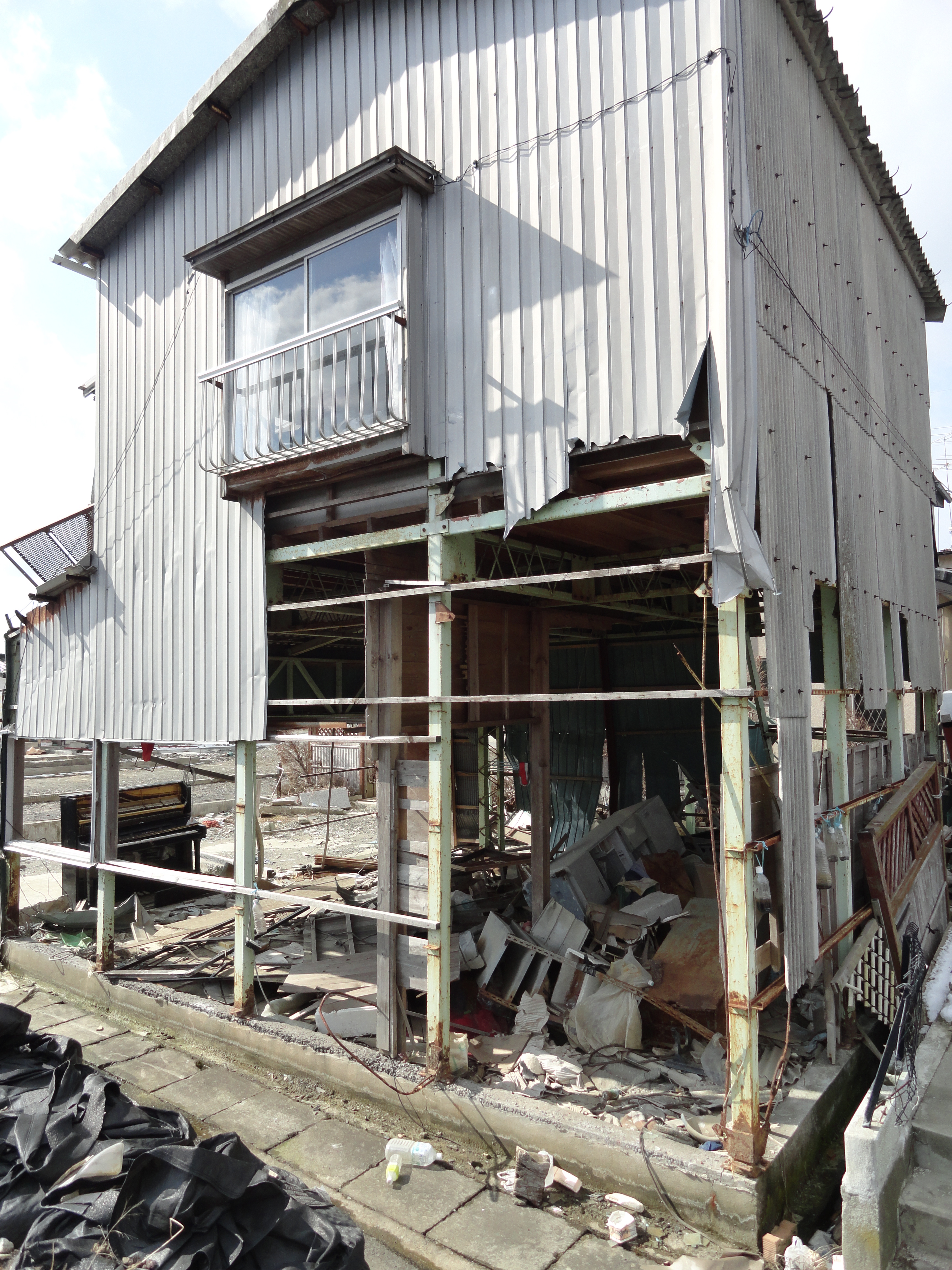
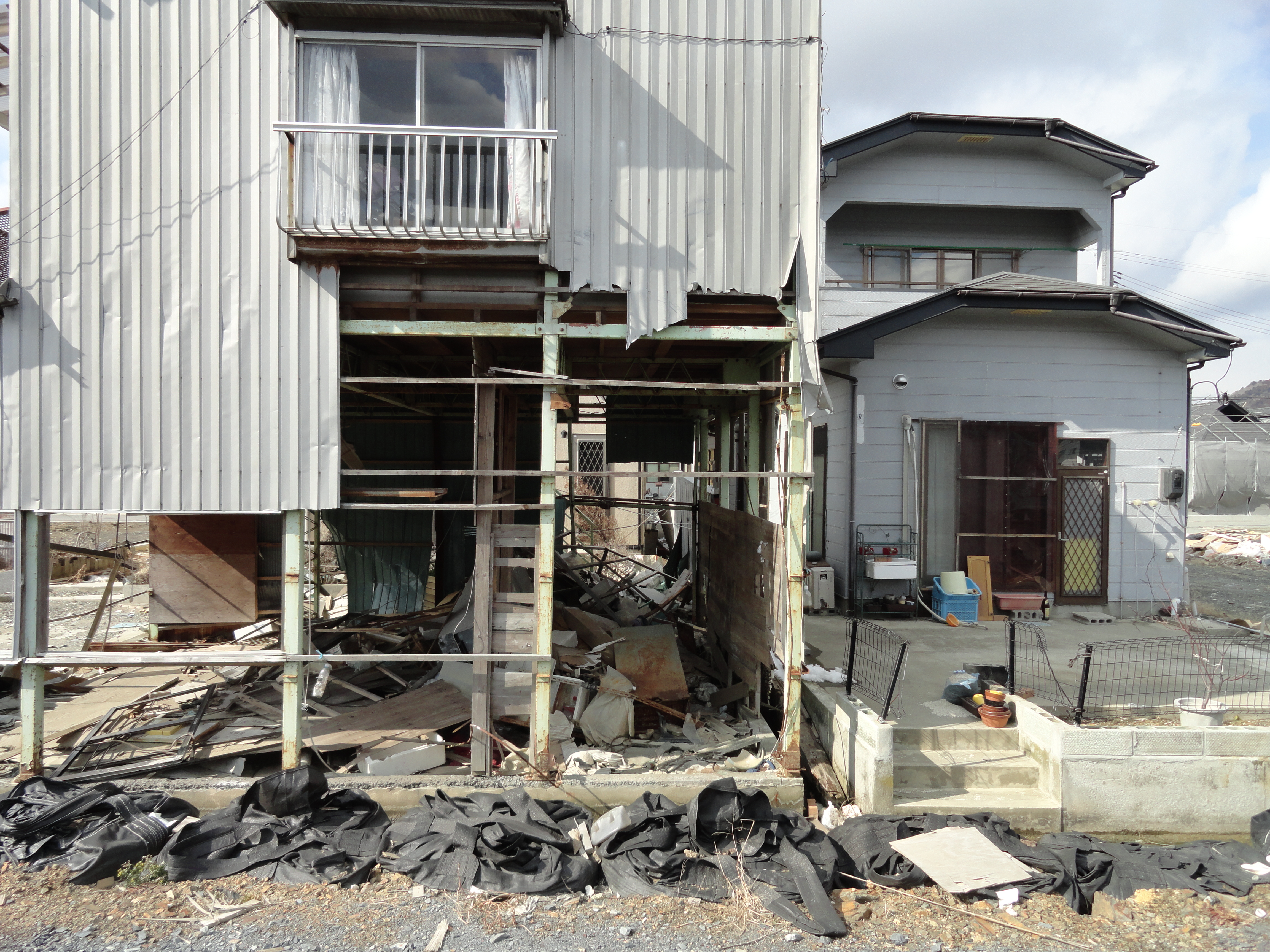
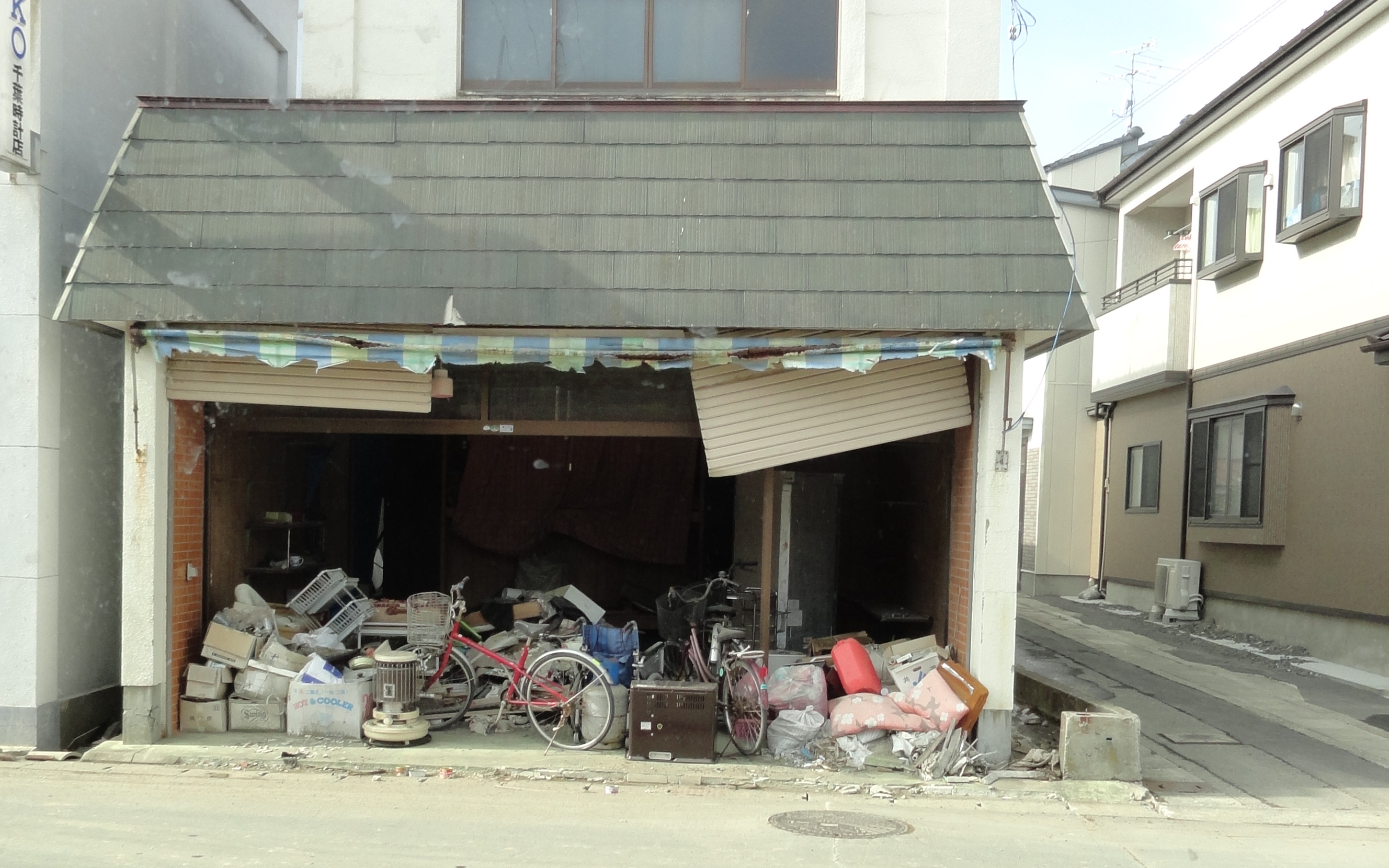
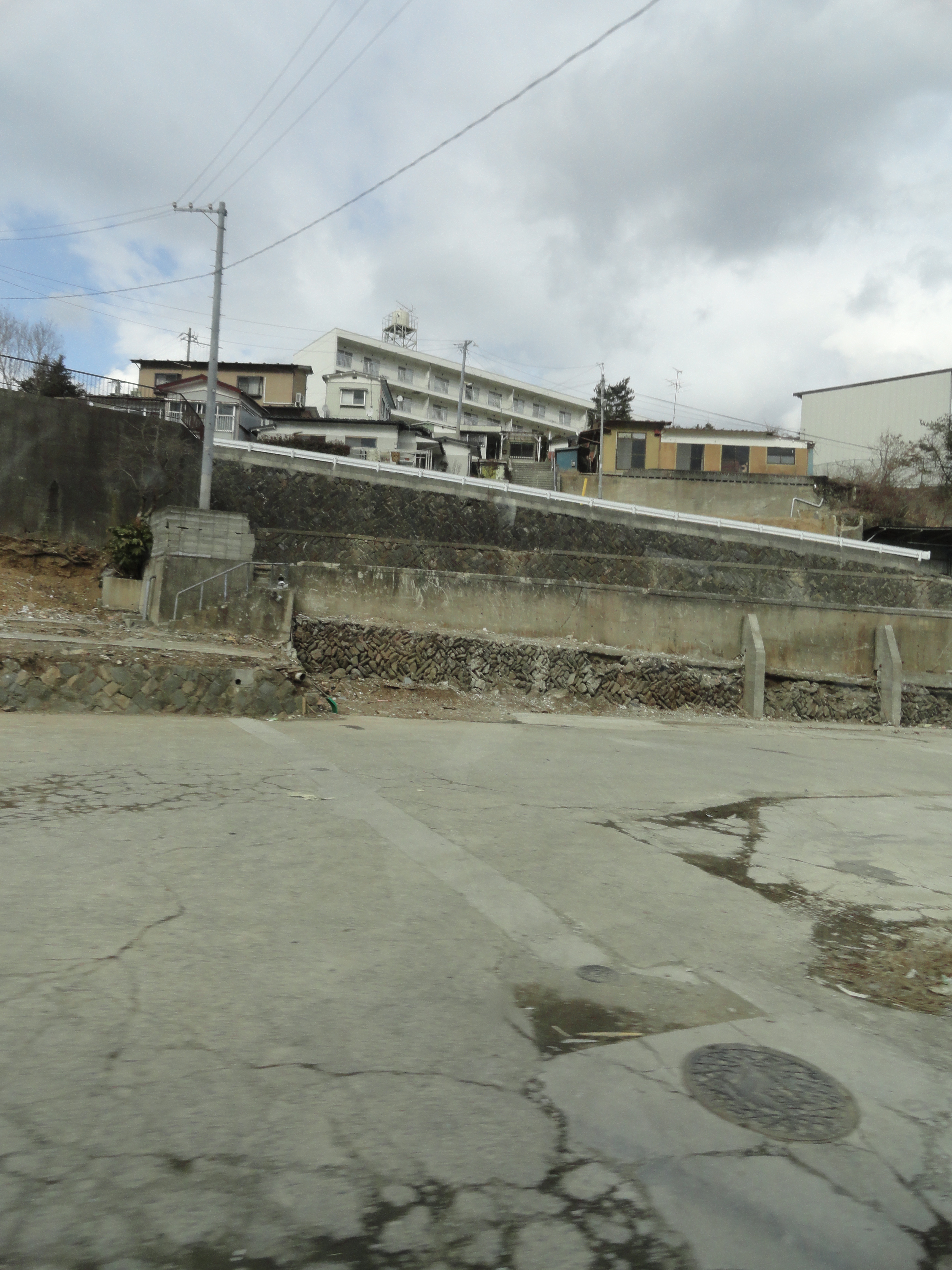
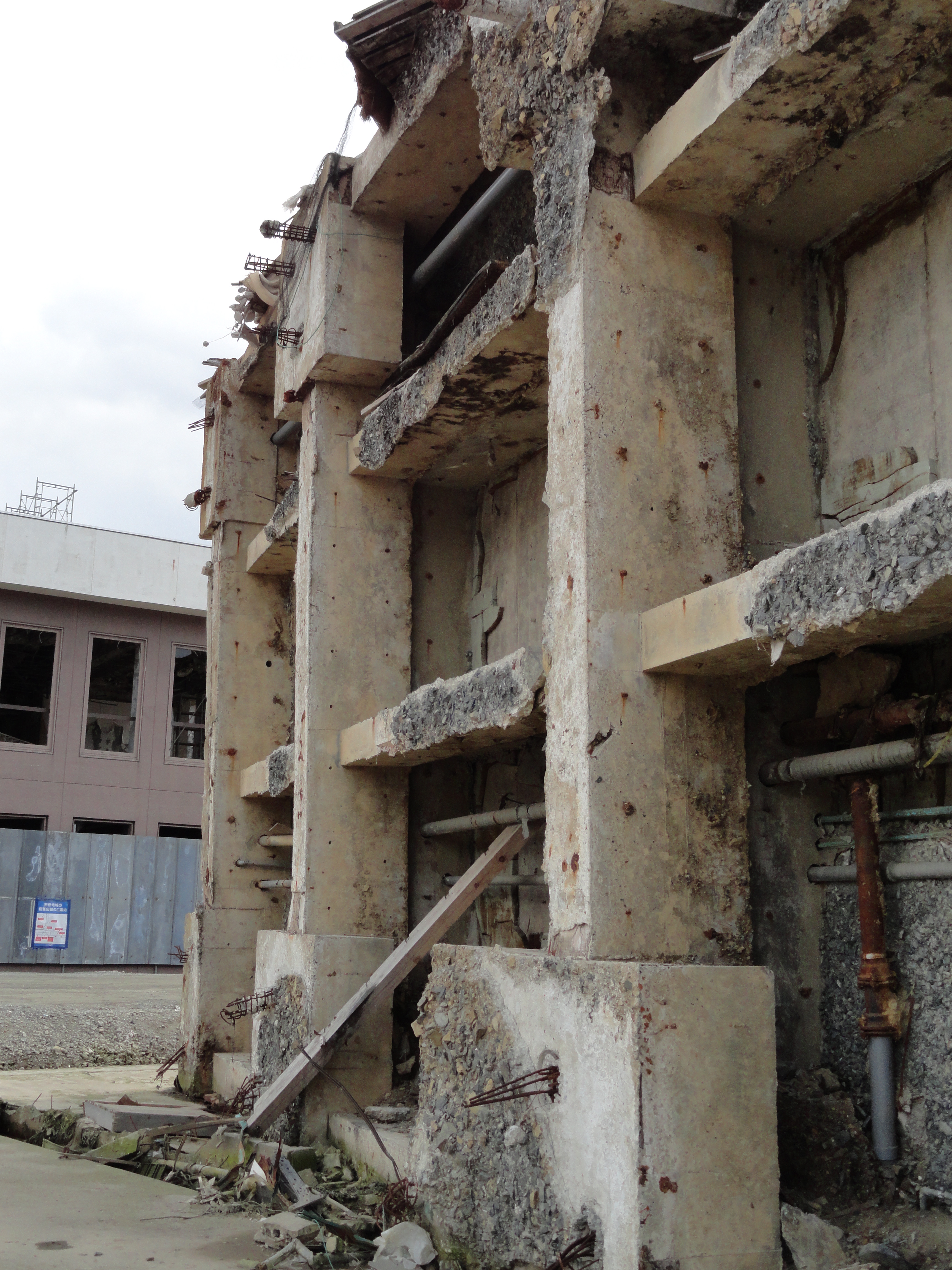
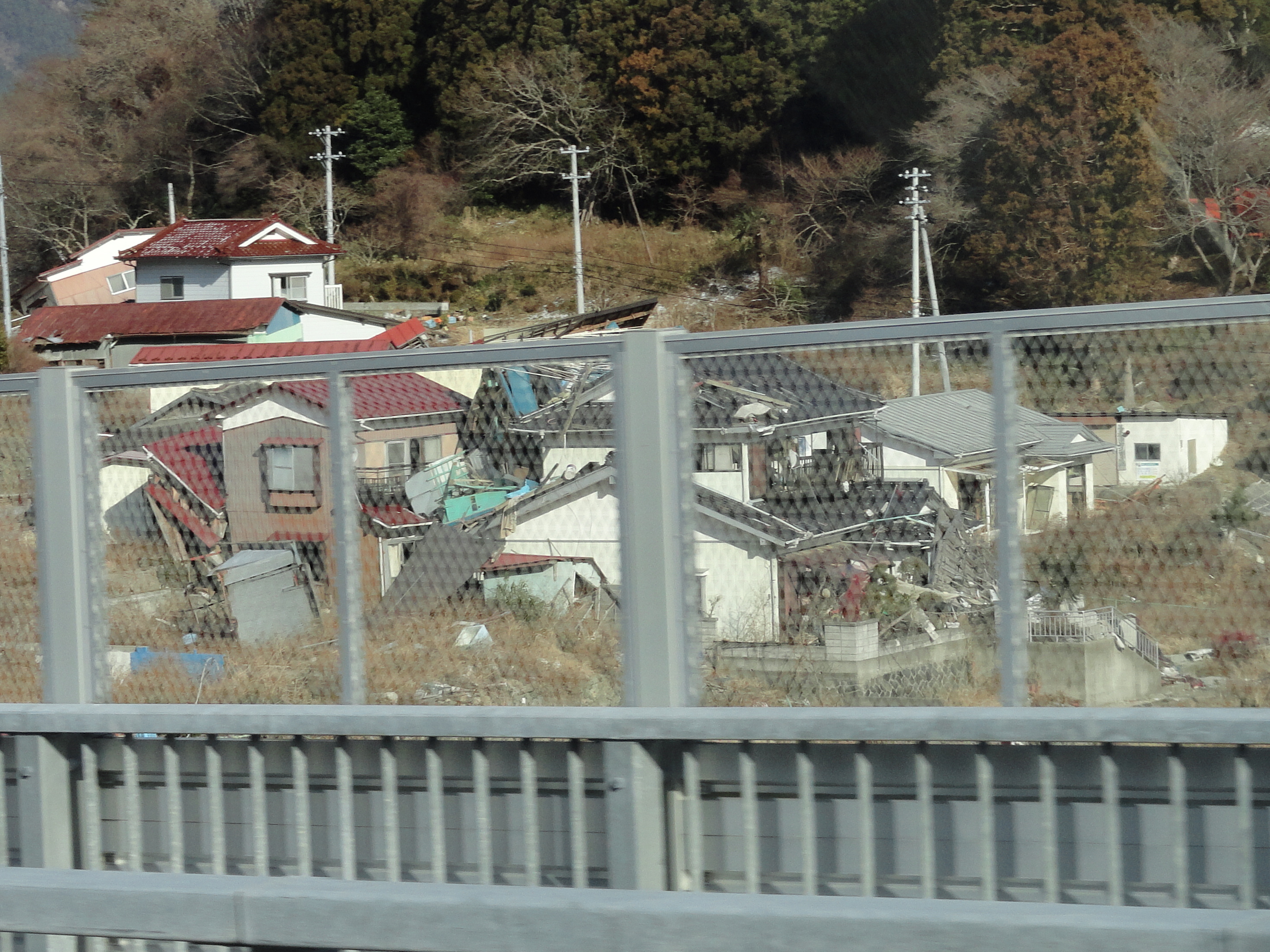
Not all of the homes, however, were destroyed. Ones that were fortunate enough to be built on the interior of a tract, or behind a warehouse, or on a higher elevation found just enough protection from the wave. In a weird game of chance, almost like a tornado picking-up one farm-house but leaving another, some homes that still stood were completely surrounded by foundations and fields. The plumbing and base tile for a bathroom was visible in one lot, but adjacent to it the house still stood. Most of these remaining houses, however, were not as lucky as a farm-house that the tornado ignored; they severely suffered the consequences of a ten-foot wave. Many standing homes stood with the bottom story reduced to a skeleton. The second story of many of these homes appeared to be untouched. What’s more, many of these second story homes still had families living in them; however, and as a result of people still living in them, it was the gutted first floor was in need of desperate and immediate attention. It was to be one these homes, one that was resting precariously on the fragile stilts of their first floor, that was be the focus of our relief efforts.

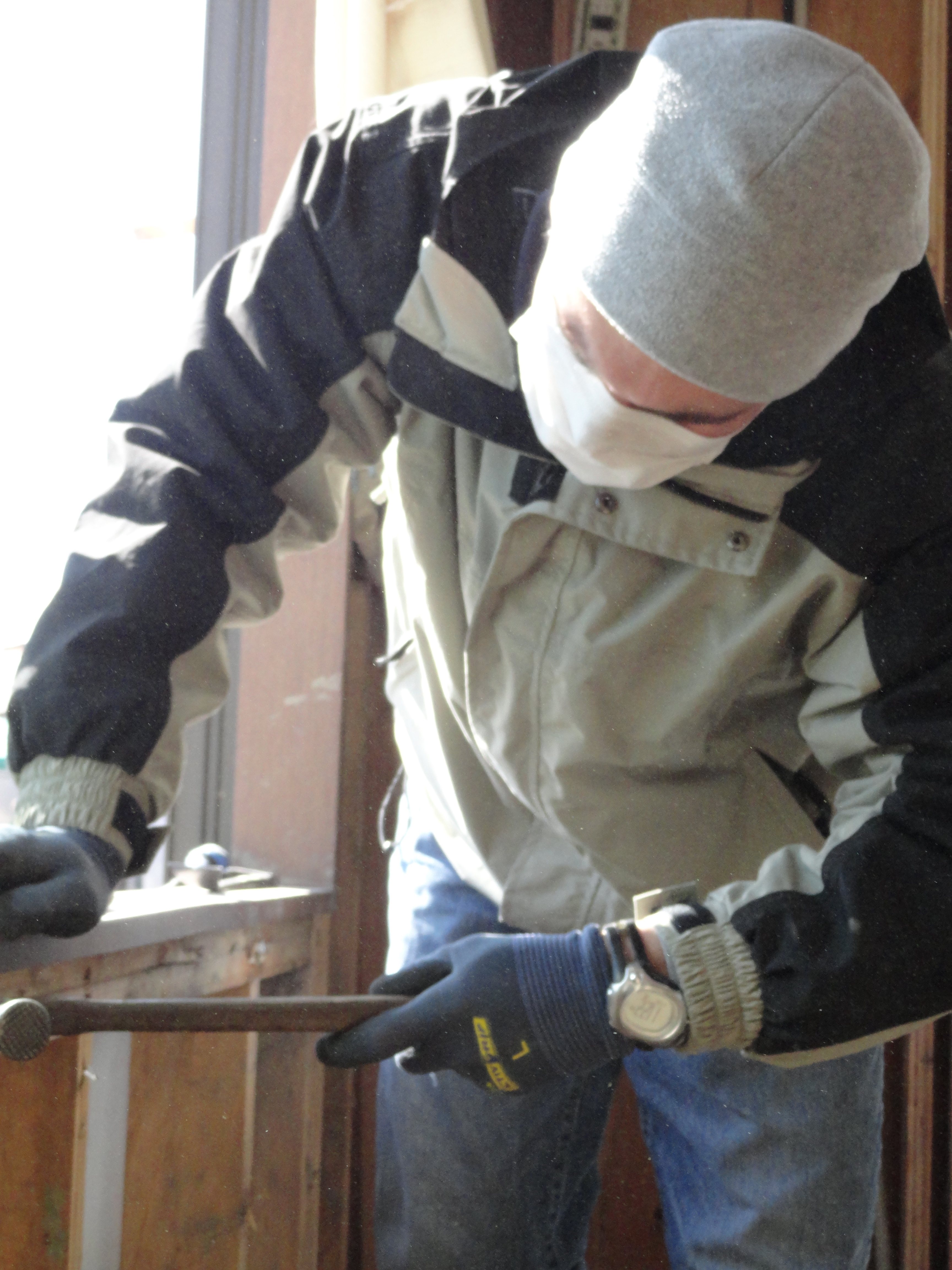
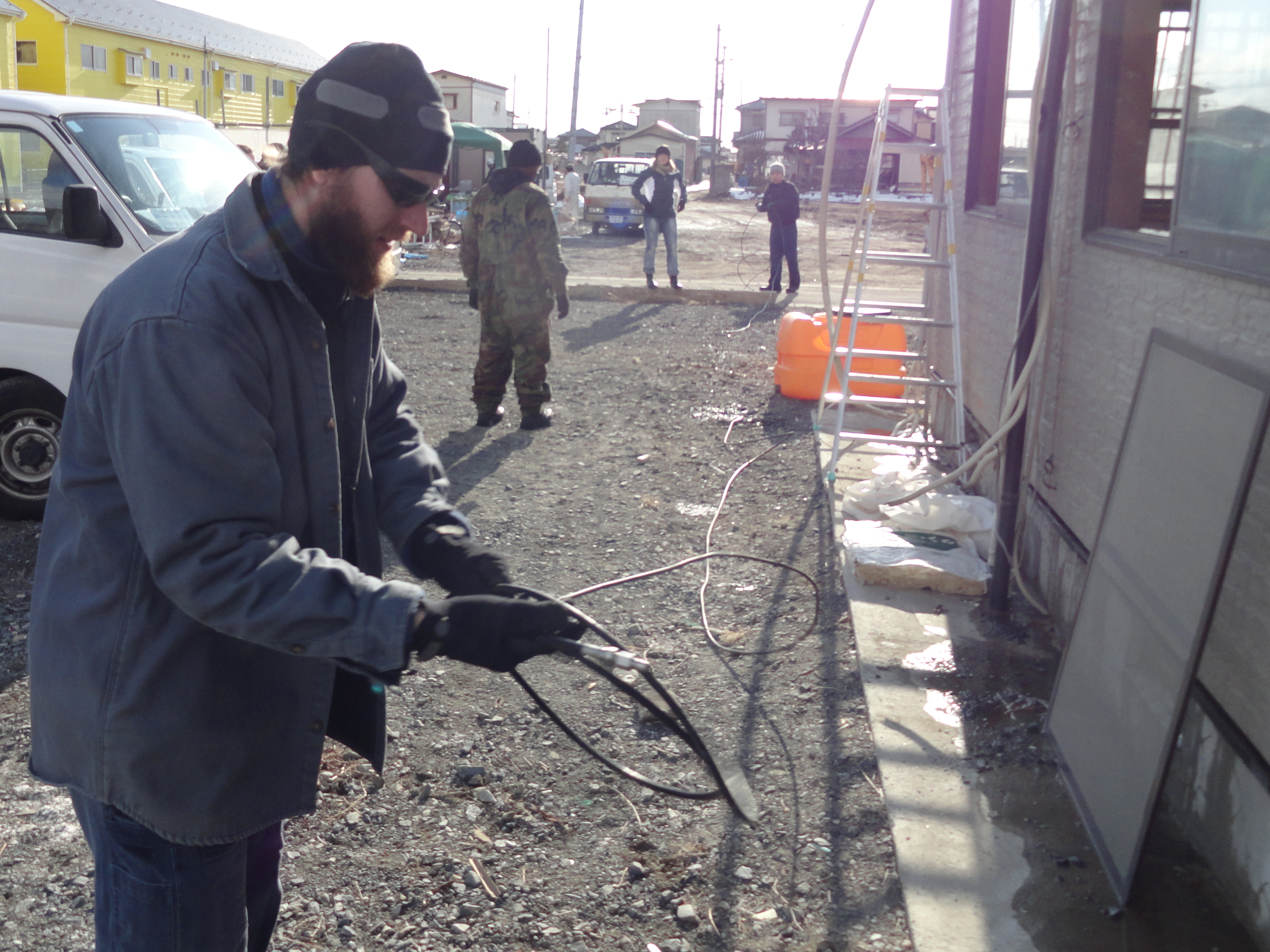
We arrived at home “159” (as indicated by a Samaritan’s Purse sign) at about 8:30am and began the process of power washing the exposed frame of the first floor. The studs needed to be cleaned so that we could then bleach them. The exposure to sea water during the tsunami and the elements over the past eleven months had allowed for both green and black mold to begin to grow. In order for the first floor to be rebuilt, the studs needed to be prepped by eliminating all of the mold along with the previous drywall screws and finishing nails. It sounded simple enough for the eleven of us that were there, but the fact that it was well below freezing made the task near impossible, mainly because the water in the pressure washer, the water on the studs, and the bleach solution we were attempting to apply to the studs was freezing. It all eventually became a slushy, frozen mess once we started the process of scrubbing the boards with bristle-brushes.

We made as much progress as we could, but as a result of the extreme cold we were relocated to another house that needed the same first-floor care. The difference in this next house, however, was that it was farther inland and by the time the water washed out the first floor, the wave had lost much of it’s momentum and therefore didn’t destroy the exterior walls but only flooded the interior. The fact that this particular house still had it’s exterior walls kept it warm enough downstairs for us to properly clean, pressure wash, and bleach the studs. We ended up working at this house for the remainder of the day, and I think most of us were glad we did, not so much because it was warmer (although it was nice to regain feeling our fingers and toes), but because 1) we were able to make visible and viable progress towards the rebuilding of a home, and 2) the owners of the home were there while we were doing it. This fact alone helped to give the removal of screws, pressure washing, and bleaching a deeper meaning; it gave the task at hand, the home in need of repair, a face.

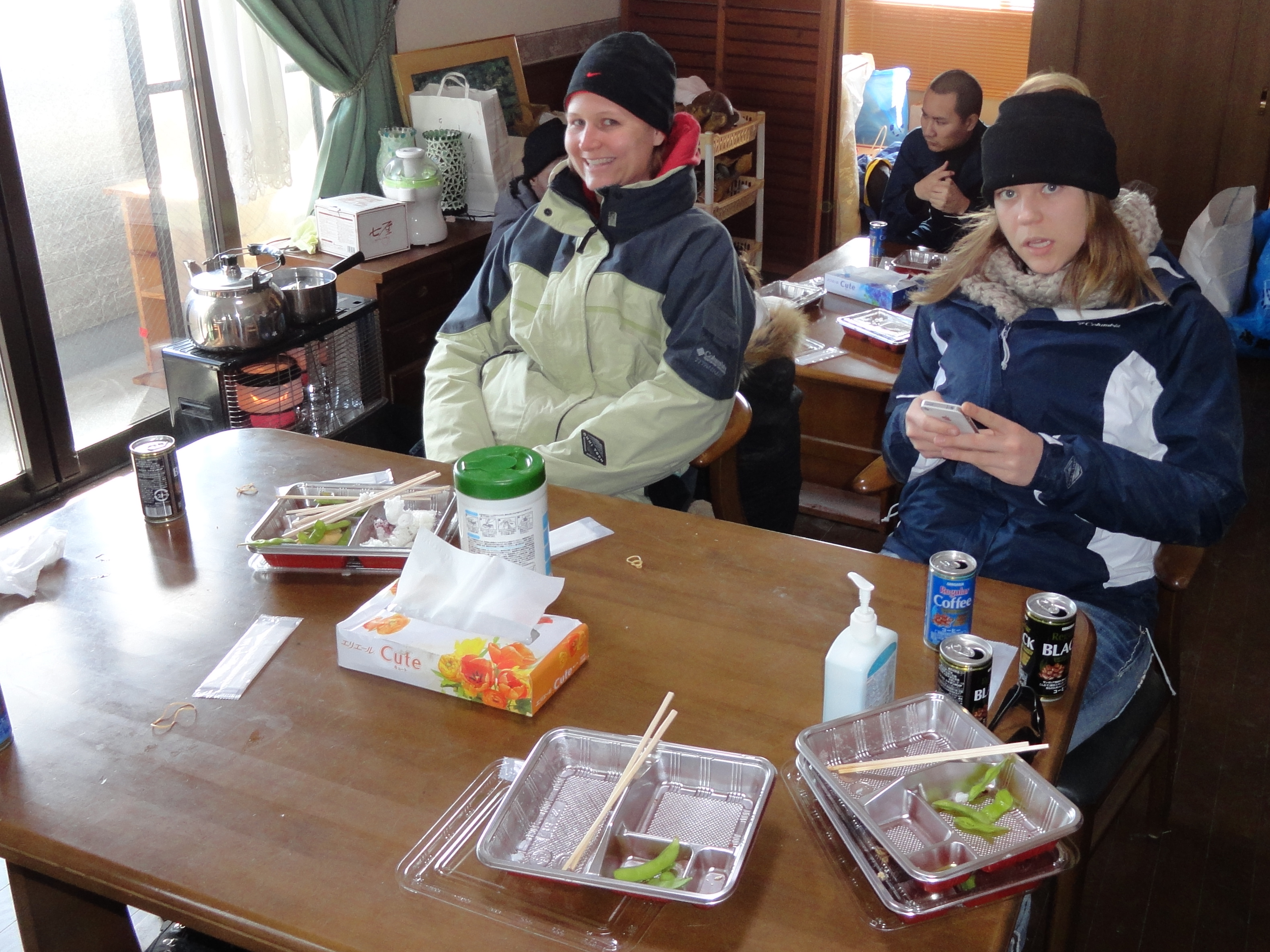
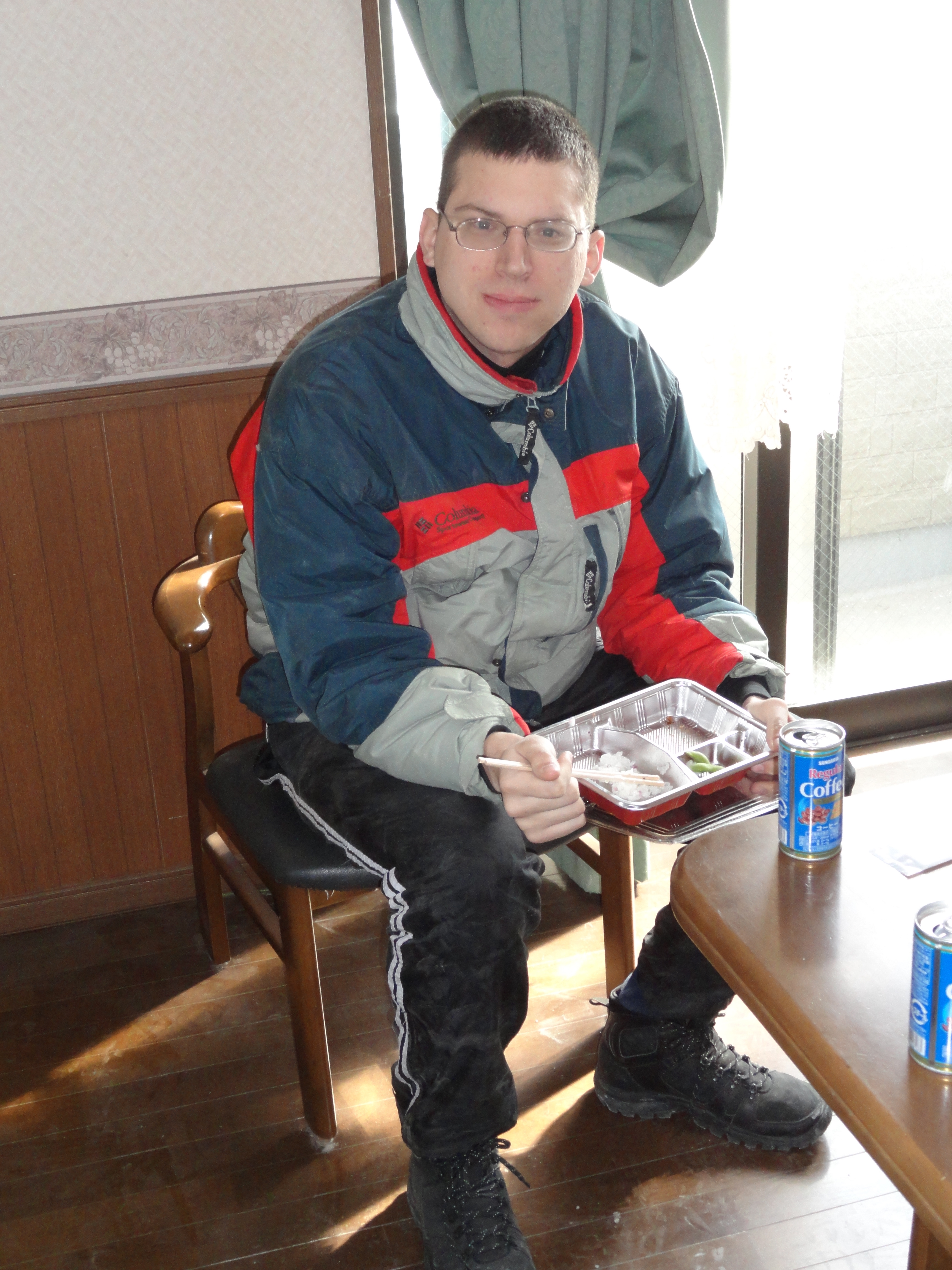
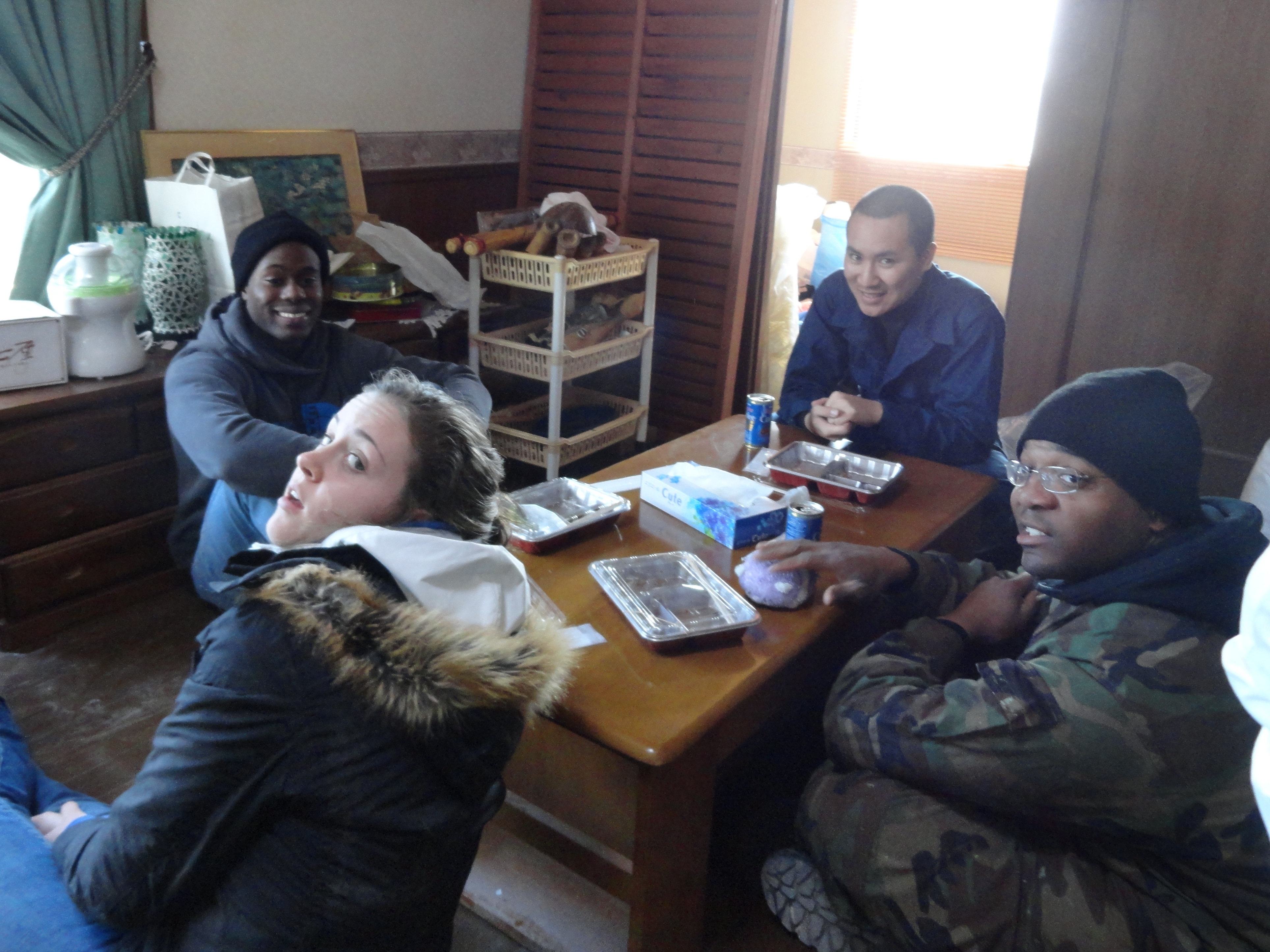
Midway through our progress on the said home, the homeowners were gracious enough to feed the 11 of us with homemade bento boxes and hot coffee. After lunch, and after completing the work of stud-preparation for the first floor of the home, we made our way back to the Samaritan’s Purse camp. It was time for dinner, a shower, and some much-needed sleep. Our dinner was great as it was cooked by some of the live-in volunteer Japanese women at the camp; the shower was as expected: cold; and the much-need sleep was sparse as the camp consisted of 40-50 people tucked into a very small two-room building that operated as the sleeping quarters, fellowship hall, dining-room, and movie lounge. Fatigue was widespread, but so was the desire to sit, eat, converse, and commune with the mixture of people from what seemed to be around the globe. In an evening that should have been spent seeping, I was able to talk with people from Texas, Kentucky, Missouri, London, Korea, and other parts of Europe, Asia, and the United States. The effort of Samaritan’s Purse in Japan was definitively an international one.

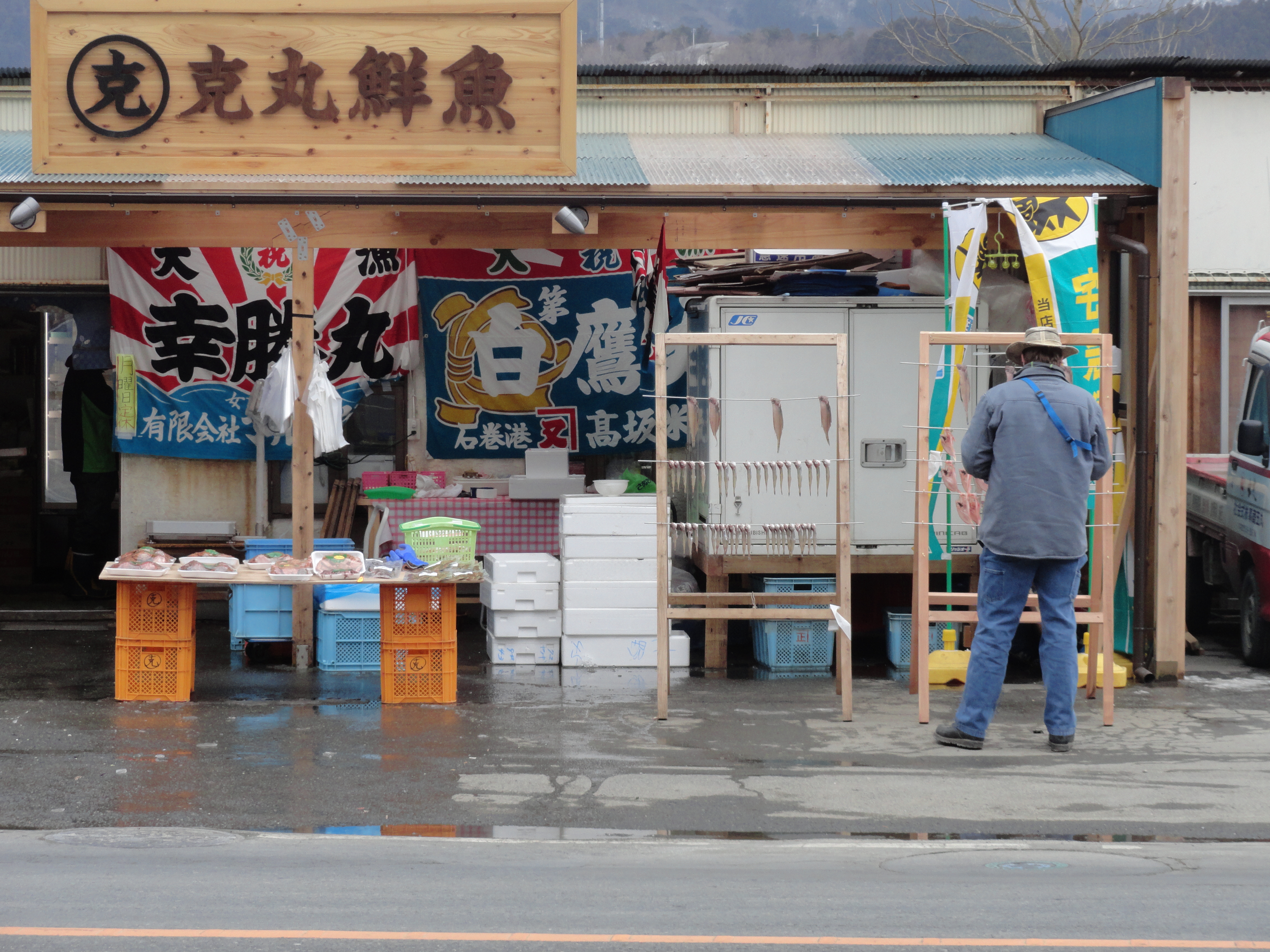
I was finally able to find sleep somewhere around 1:30am; however, 6:00am seemed to come around entirely too fast. Thankfully, the coffee was again hot and the spirit of the camp to get back out and help was infectious. Fatigue and cold were of little consequence considering what many of the people who live in this area have to endure on a daily basis. During my time in Ishinomaki, I learned that there is an ever-increasing disparity between the group and the individual here in Japan. To explain, many of the news stations, again, internationally and locally, depict a Japan that is rebuilding and on their way to regained normalcy. While this may be true for the infrastructure of many of the townships and villages, the individuals within these areas still struggle. Again, the infrastructure: the roads, the power lines, the parks, and the local 7-11s and Lawsons (two common convenient stores in Japan) are up and running again. However, many individuals are unable to use any of this infrastructure.
Many lost not just their homes, but also their jobs, their cars, their family members, and their savings. (I have learned that many Japanese did/ do not trust the local banks; therefore, it was a common practice for families to keep a safe which contained their life’s savings in the home). As a sad result, when the tsunami washed away homes (many of which were not insured), it literally washed away everything. So, the people of Ishinomaki and other surrounding villages and towns have roads to drive on but no cars to drive on them with; they have parks to play in but no desire to play in them since they lost family members; and if they have any semblance of a home left, they have no money to repair them. Thus, the disparity between the group (the infrastructure and the government) and the individual has been growing since March 11, 2011, and I am sure it will continue to grow as the main channel of support for this area of Japan seems to be from an international source, not a local one.

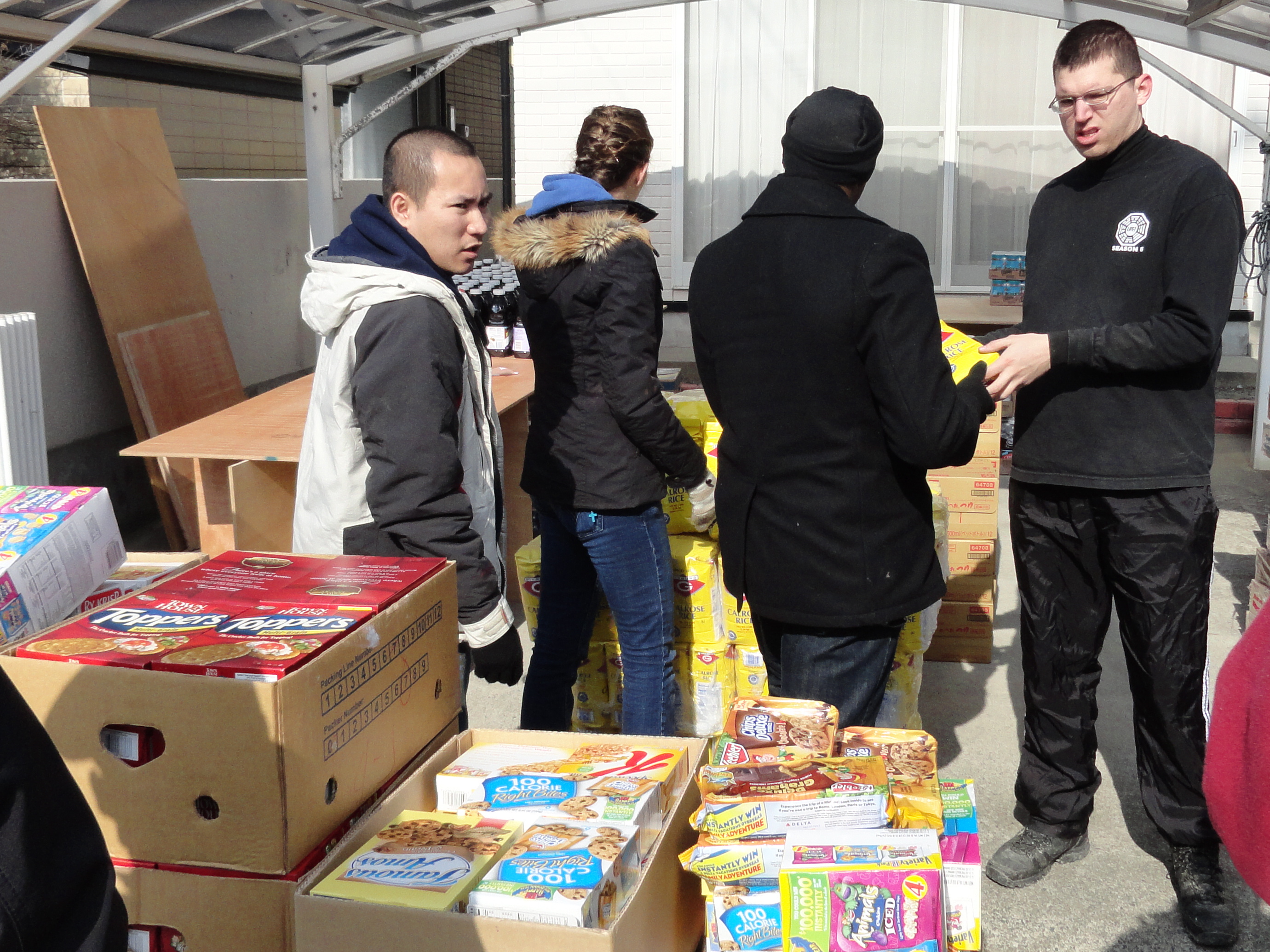
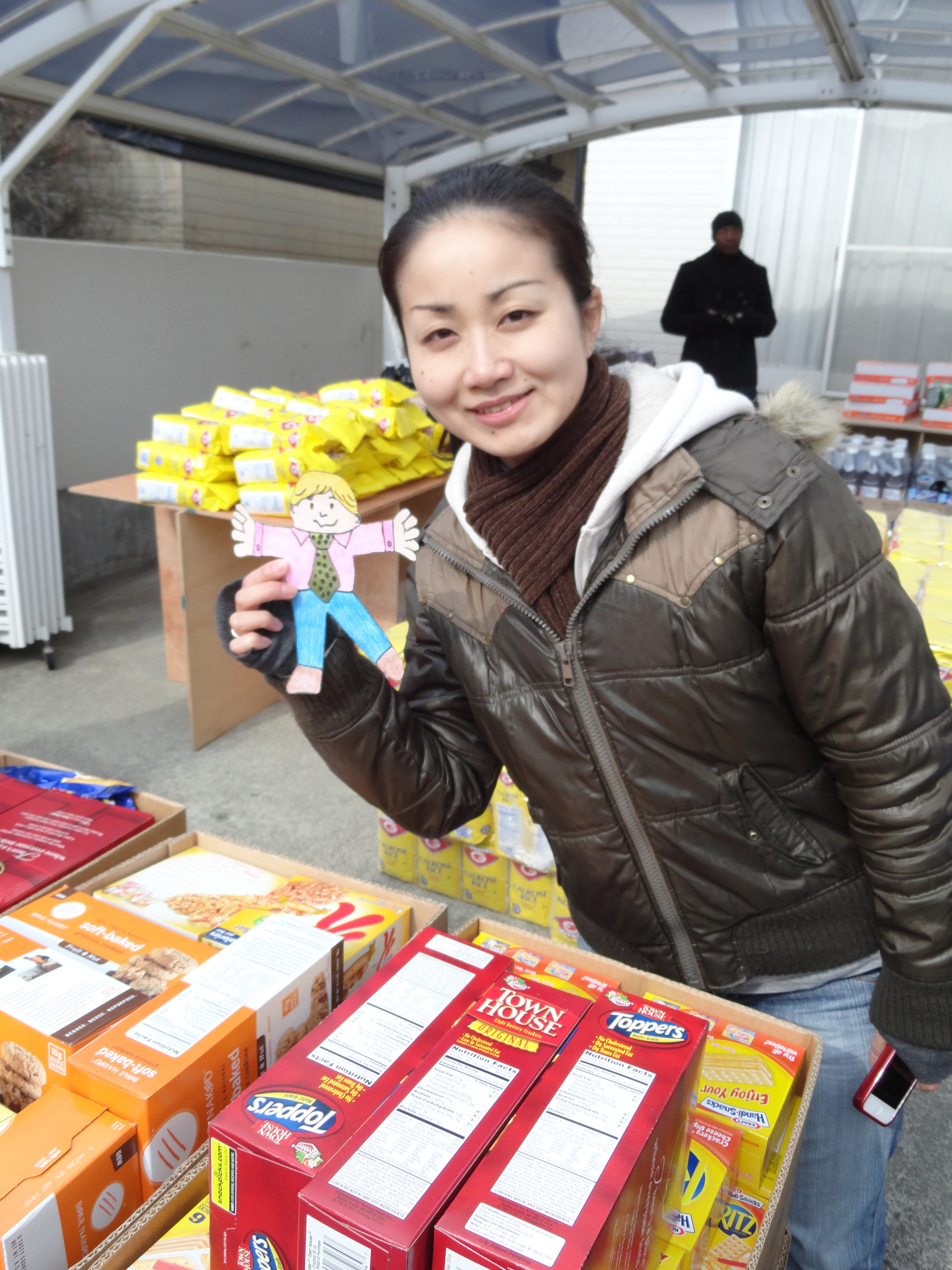
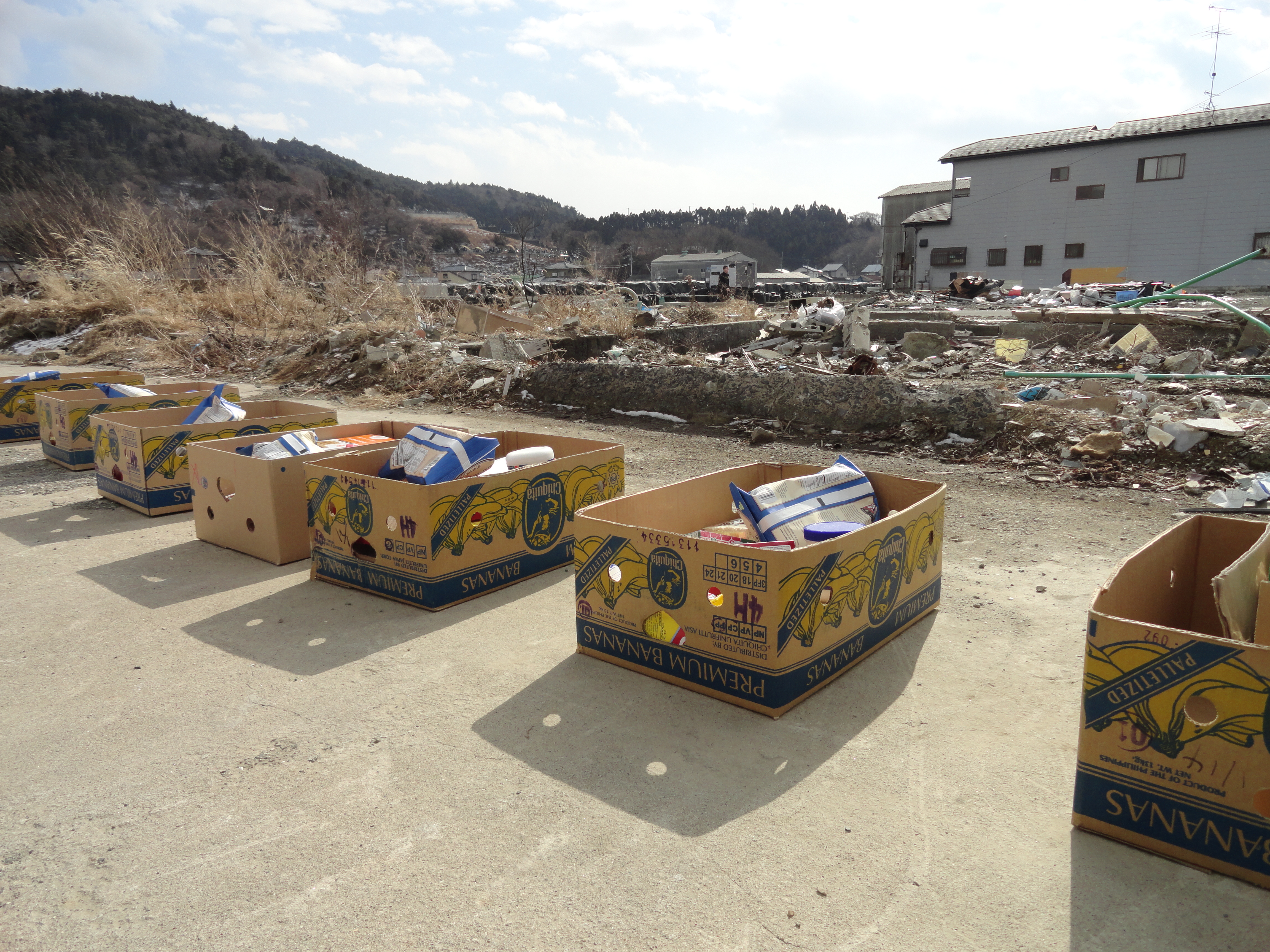
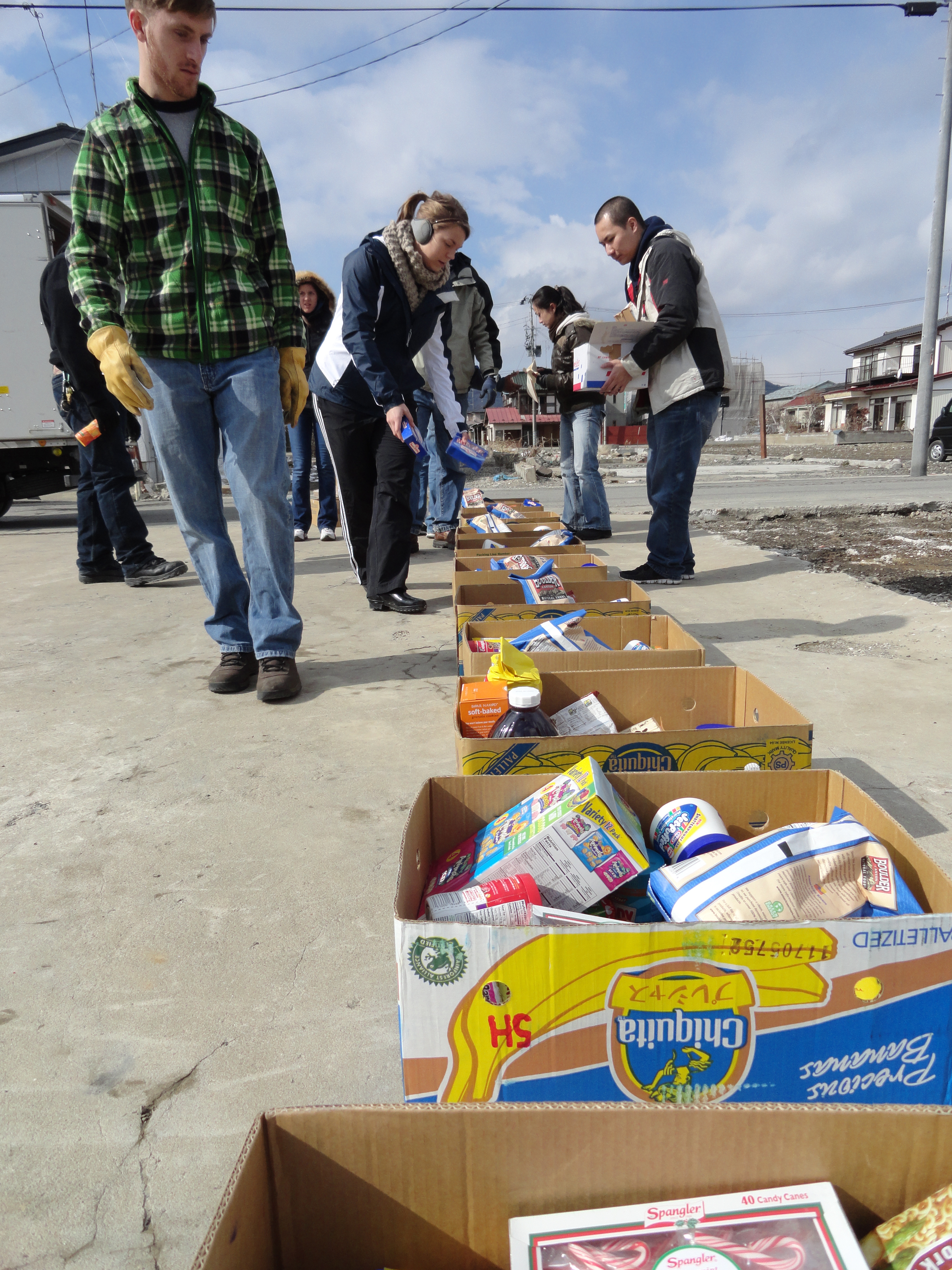
Abraham Maslow, in his 1954 book, Motivation and Personality, placed as the foundation of his “hierarchy of human needs” food and shelter; however, it doesn’t take a psychologist for people to know that these two basic human needs are what the victims of a devastating tsunami will inevitably require. As such, day one of our trip was spent dealing with shelter; day two was to be spent dealing with food. Over the course of the many trips that the Lighthouse Ministry had made to this devastated area, they had always brought a truck-load of food for the people. This trip was no different. After our 6:00am wake-up, breakfast, and coffee, we piled into the van, loaded up the truck, and caravanned back into town. A local Japanese woman, as in previous instances, was allowing for us to use her driveway and car-port as a set up for our food distribution hub. We quickly unloaded about six or seven pallets of food, set-up “stations” under the car port, and gathered for a few organizational tips for distribution.

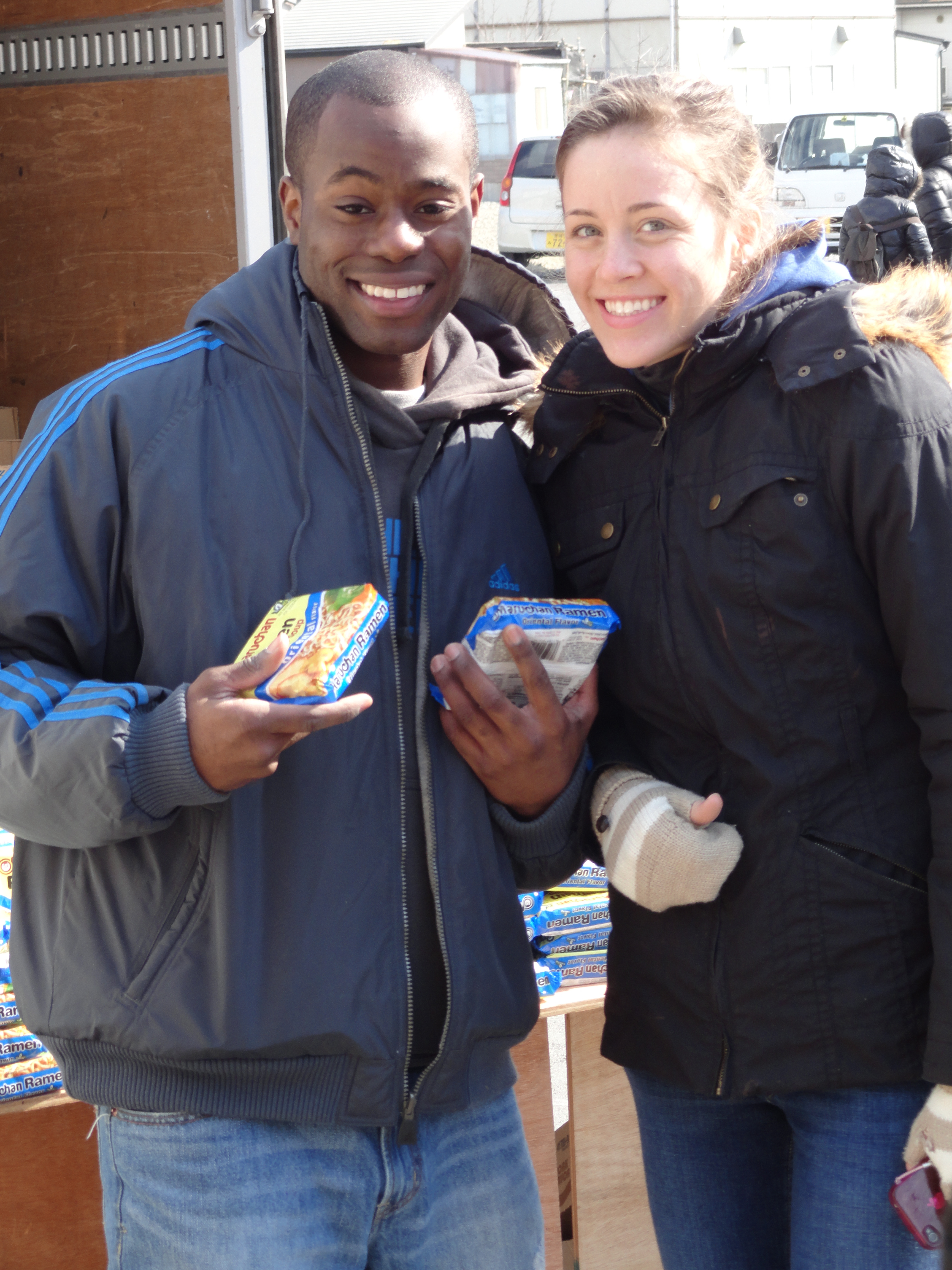
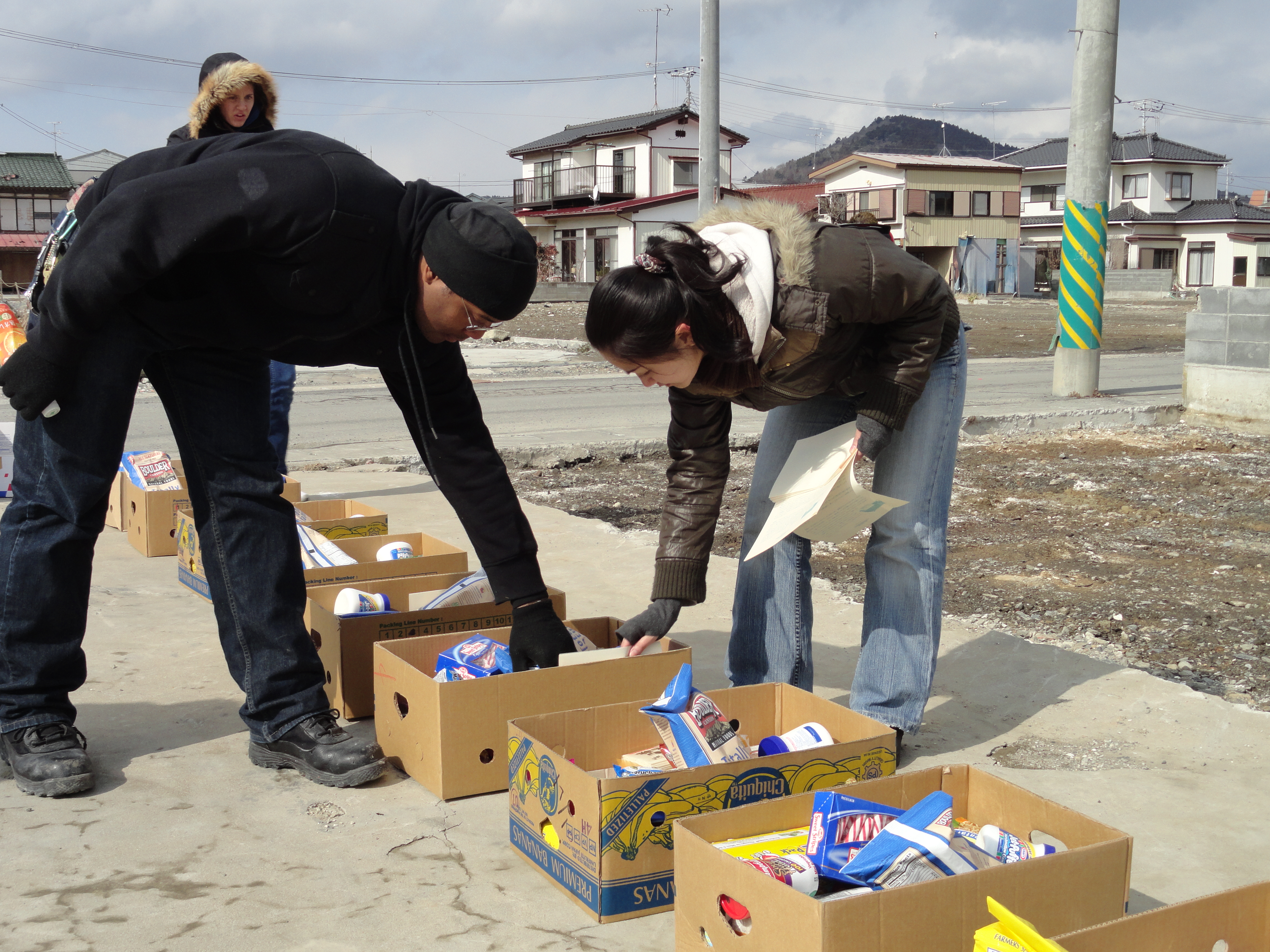
This process only took about an hour. By then and by word-of-mouth over the course of the hour, a small crowd from the town had already gathered. They organized themselves in a line and waited patiently until we were to begin the actual distribution process. As we started passing out the food, everyone rotated from “station” to “station” so as to get rice, udon noodles, bottles of juice, crackers, peanut butter, ramen noodles, and even candy canes for the children. As a side note here, I found that not many of the people receiving the candy canes knew what they were. Christmas isn’t necessarily celebrated here in Japan, especially in the small towns and villages. Thus, Christmas paraphernalia is foreign. In spite of the fact that the form and candy canes weren’t known to the parents, the function of candy didn’t escape the children. They know candy when they see it. If it weren’t for the clement nature of the Japanese, the children may have bull-rushed Jesse as he was responsible for passing out the candy.
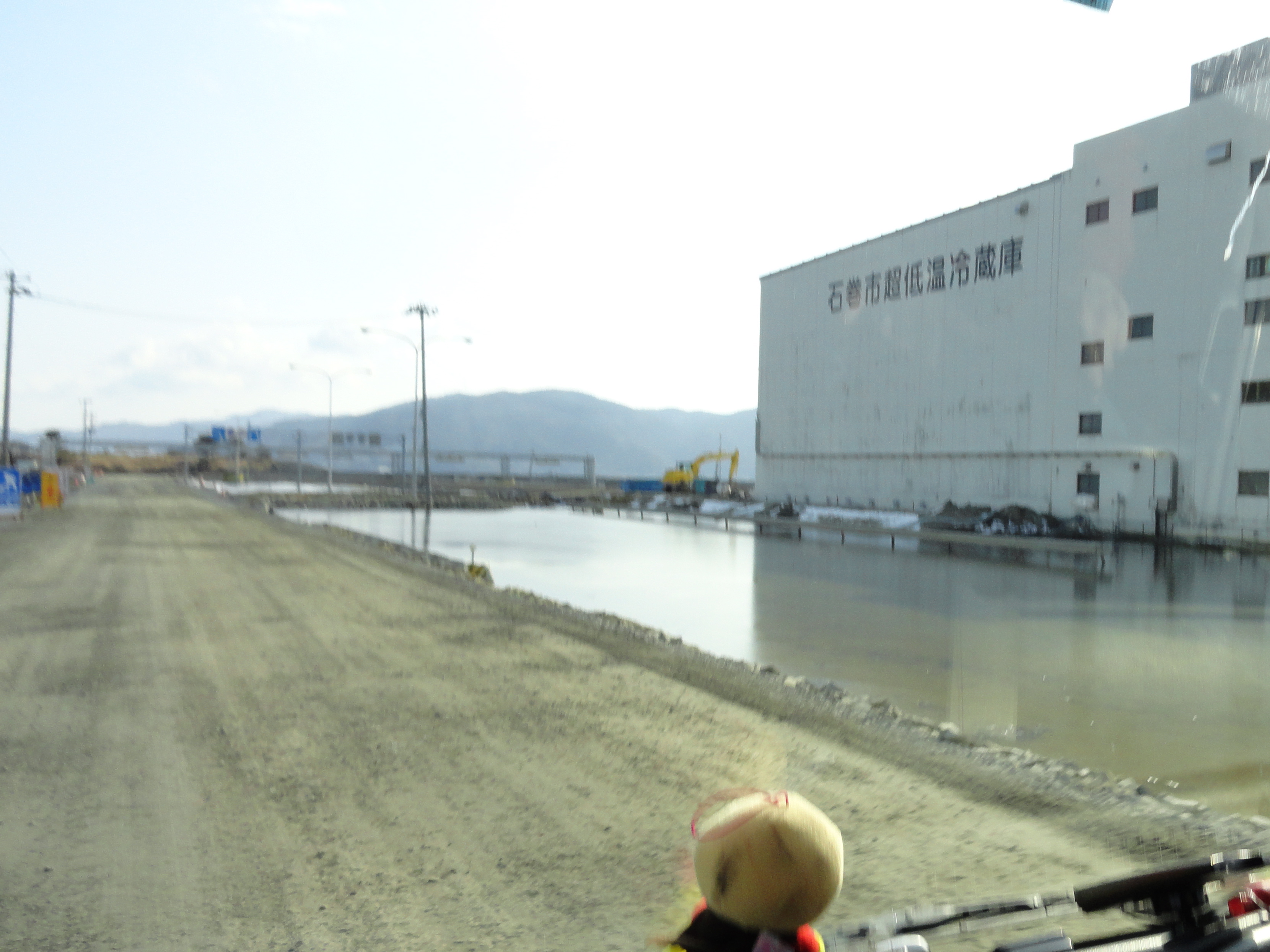
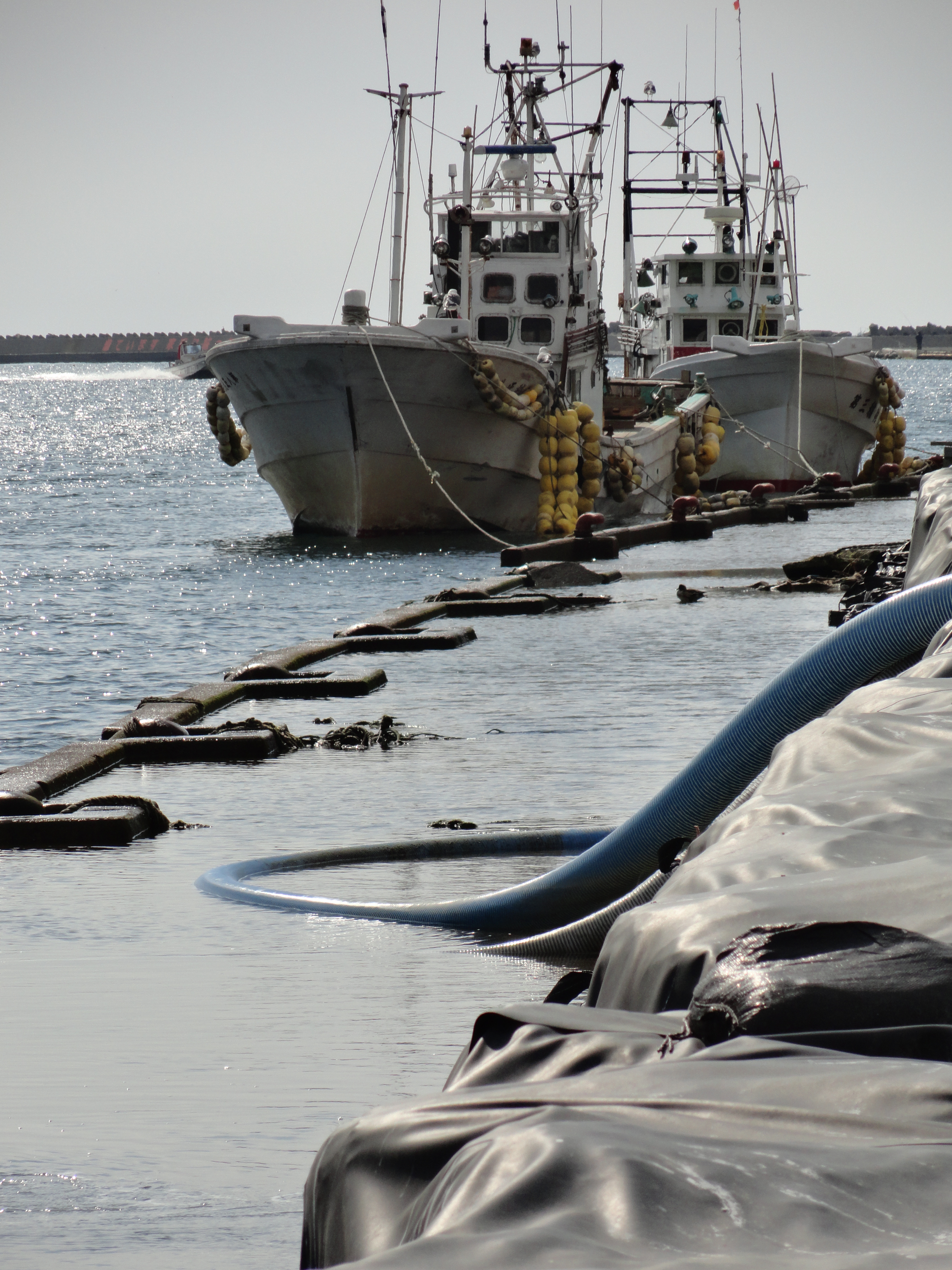
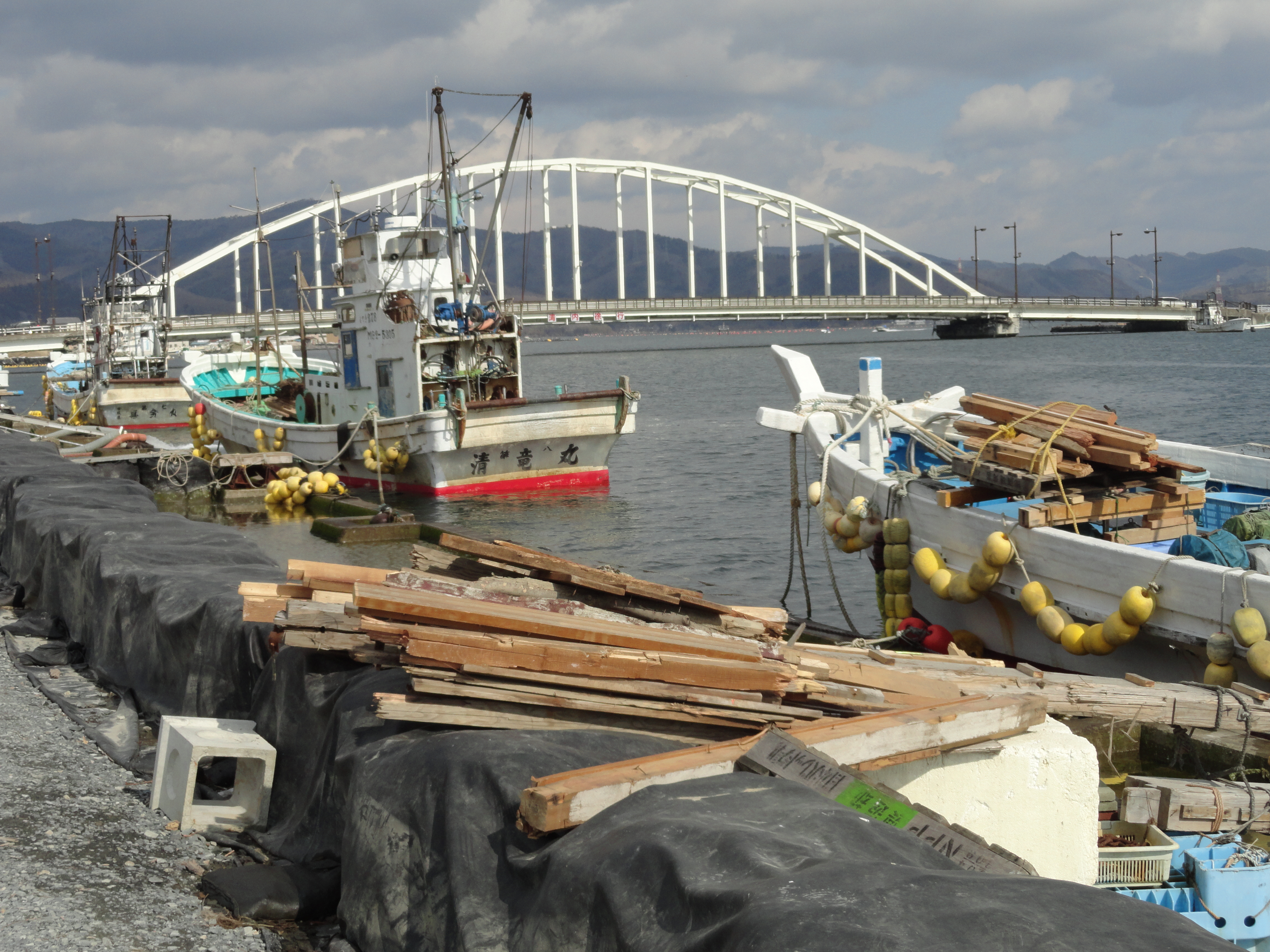
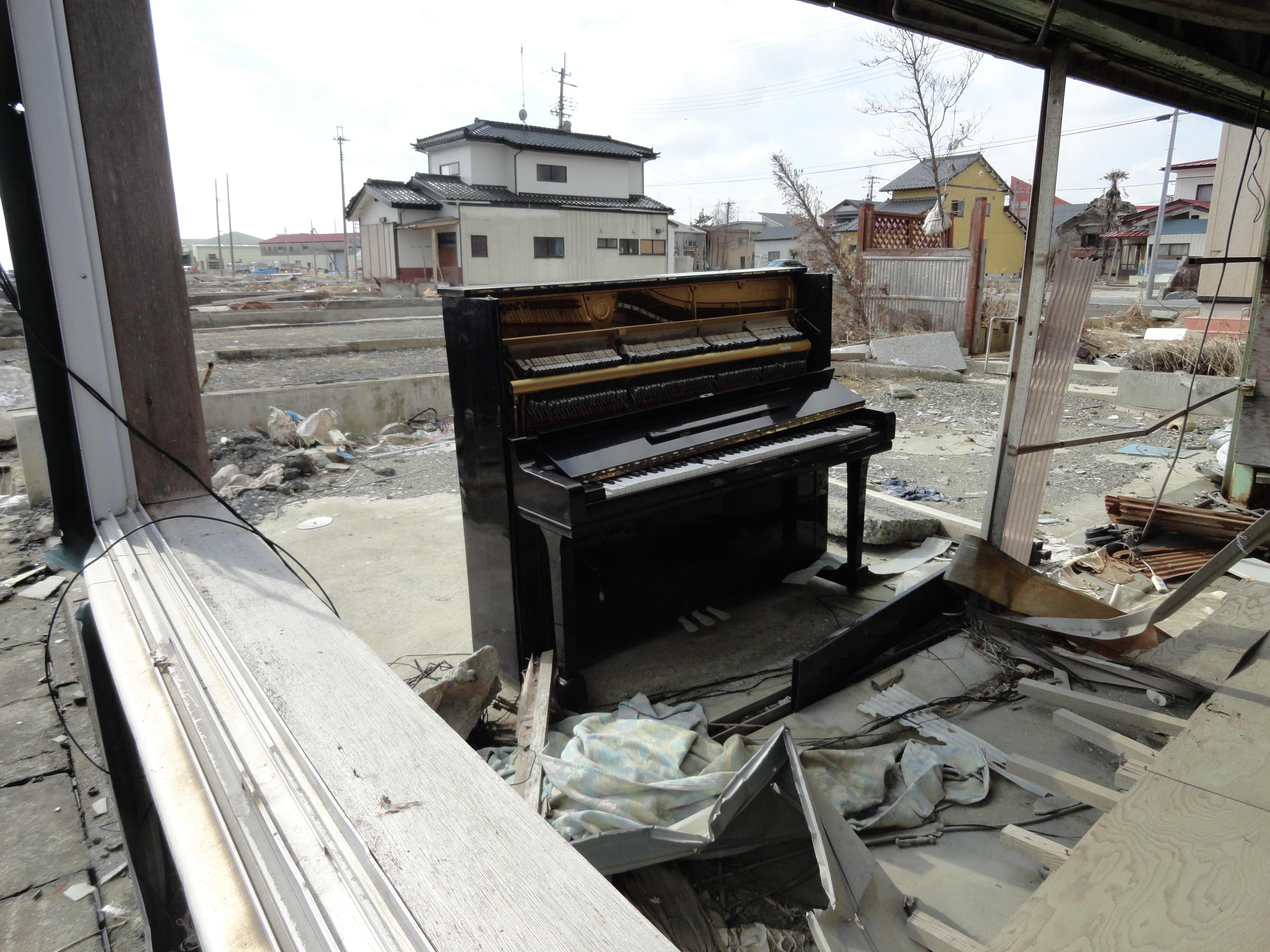
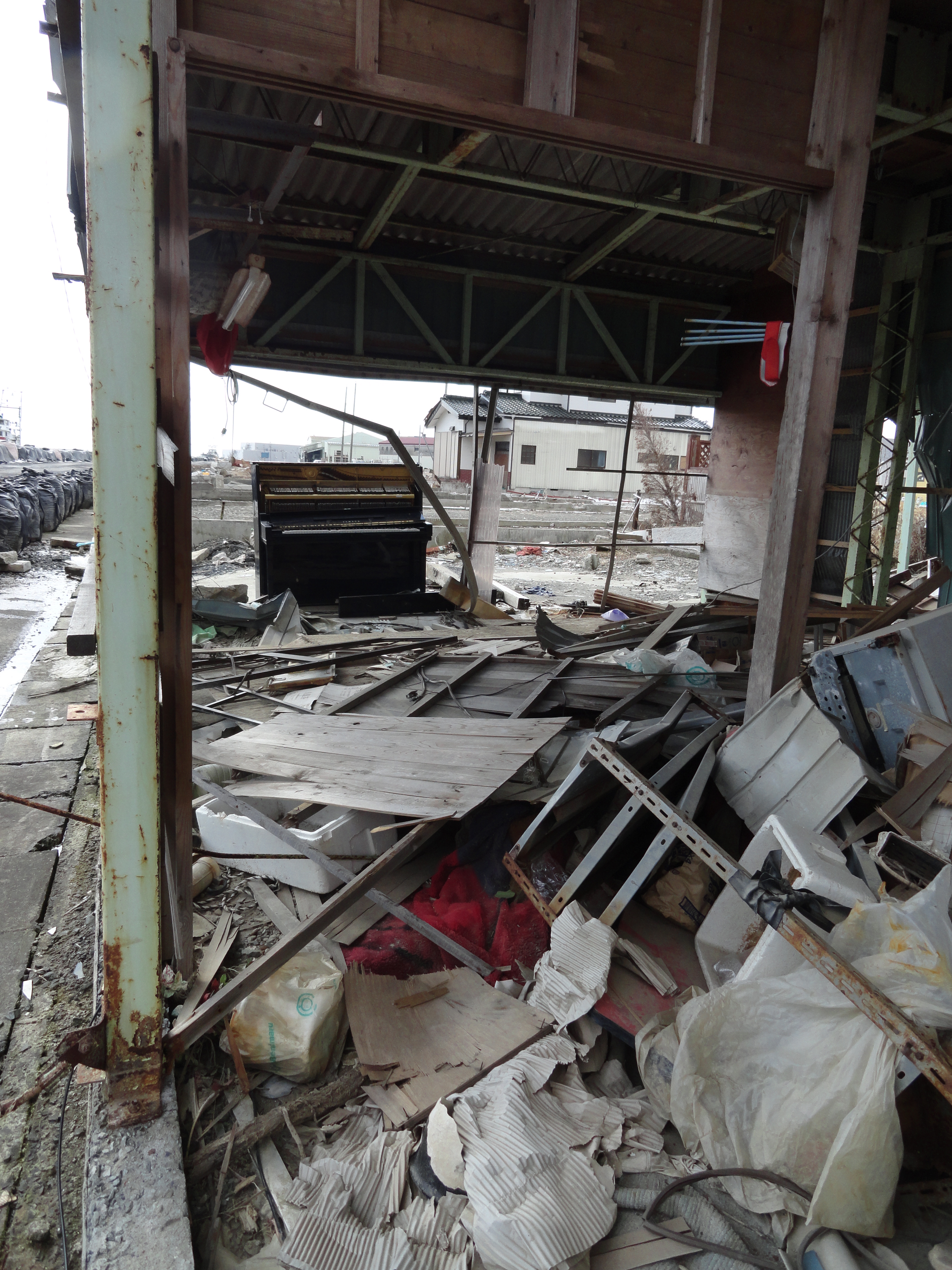
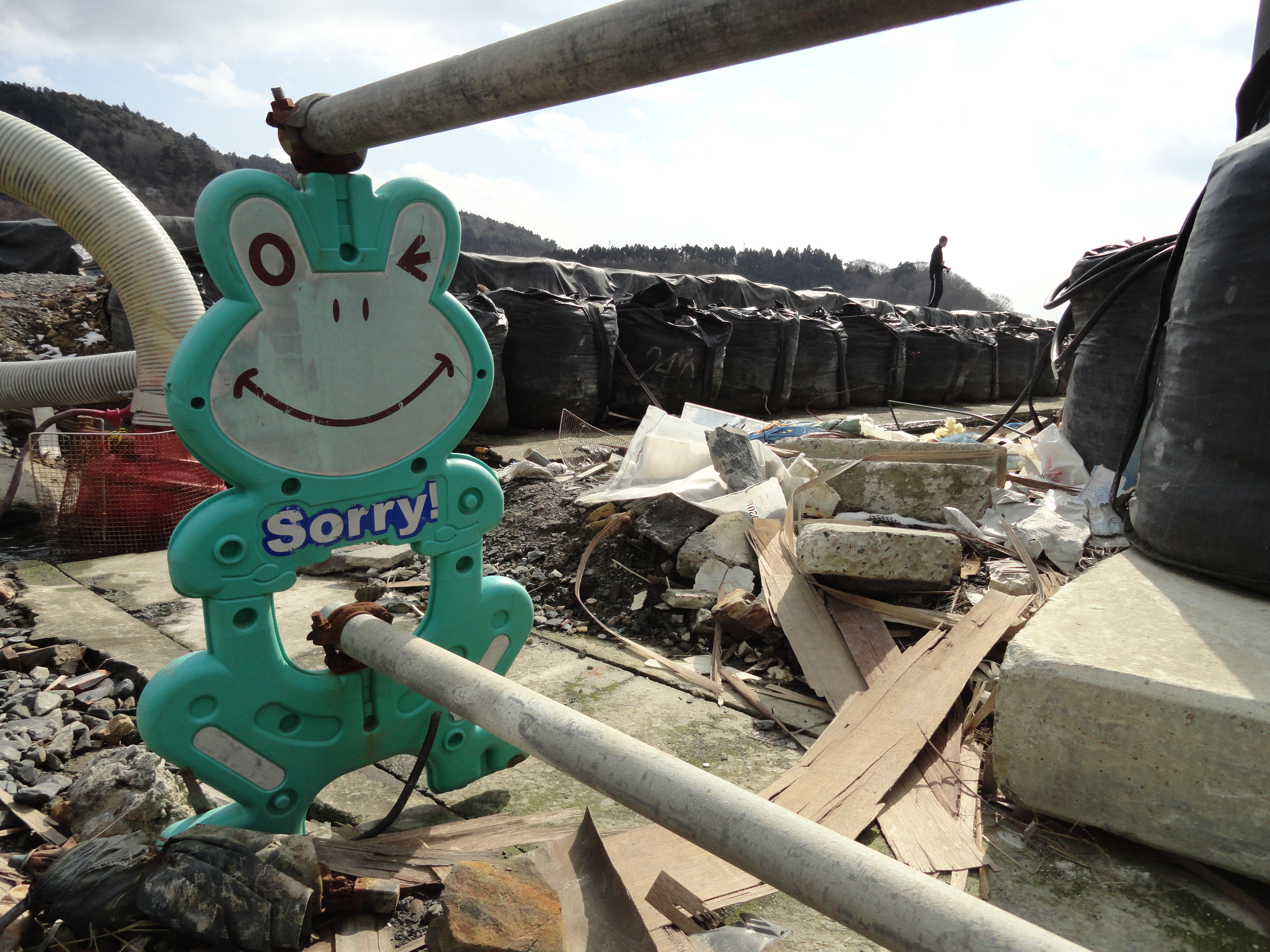
After we had passed out nearly all of the food, nearly 350 bags/boxes of food, we all piled back into the van and delivery truck in order to travel to a sea-side neighborhood where the need for shelter and food was probably at it’s extreme. There were 35 families within this area that had been in constant contact with the Lighthouse Ministry and were requesting boxes of food. Once there, it was obvious why a people who pride themselves in being self-sufficient were requesting help. This particular neighborhood lies right on the water and were one of the first to be hit by the wave. I still don’t know what amazed me more, the fact that so many homes were gone, or that there were any homes left at all. After a moment of taking it all in, we set up the 35 care packages for the 35 families. They seemingly walked out the surrounding rubble, stayed for a few moments as we said a collective prayer, then collected their boxes and walked home. This stage of our relief effort lasted only an hour, at most. Afterward, we again piled back into both the van and truck and were going to take a tour south driving along the coast. Our relief effort was over as quickly as it began.

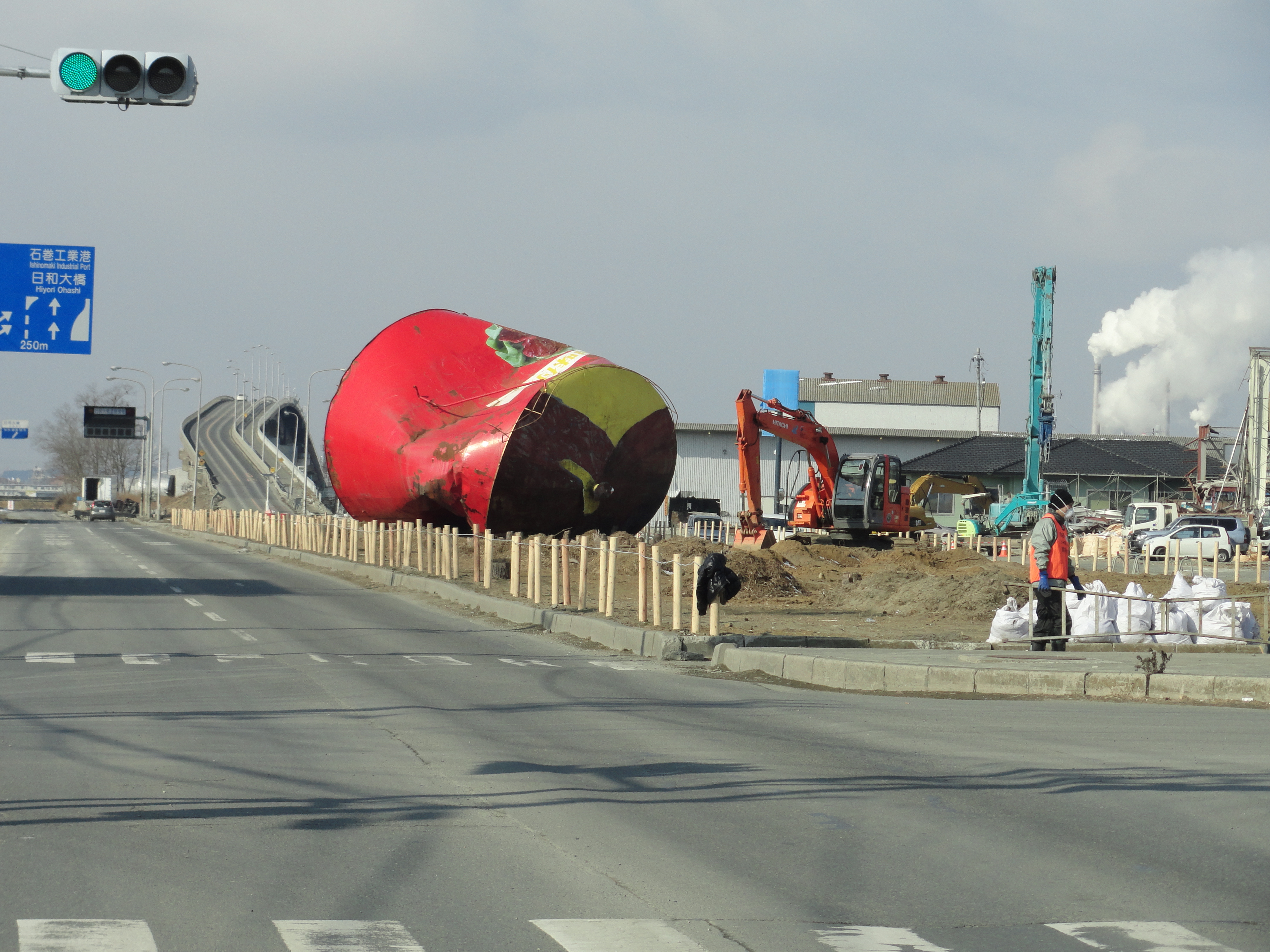
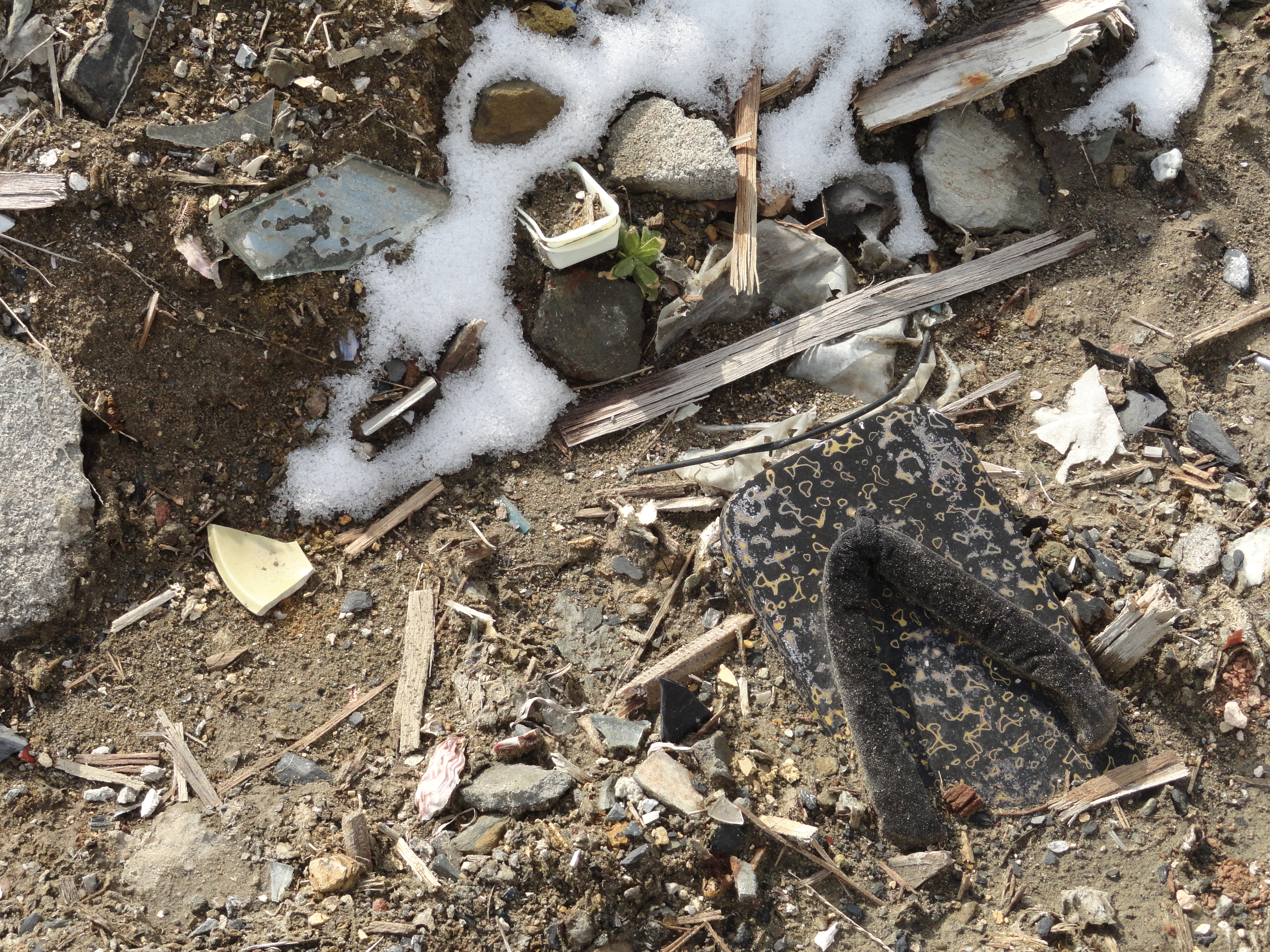
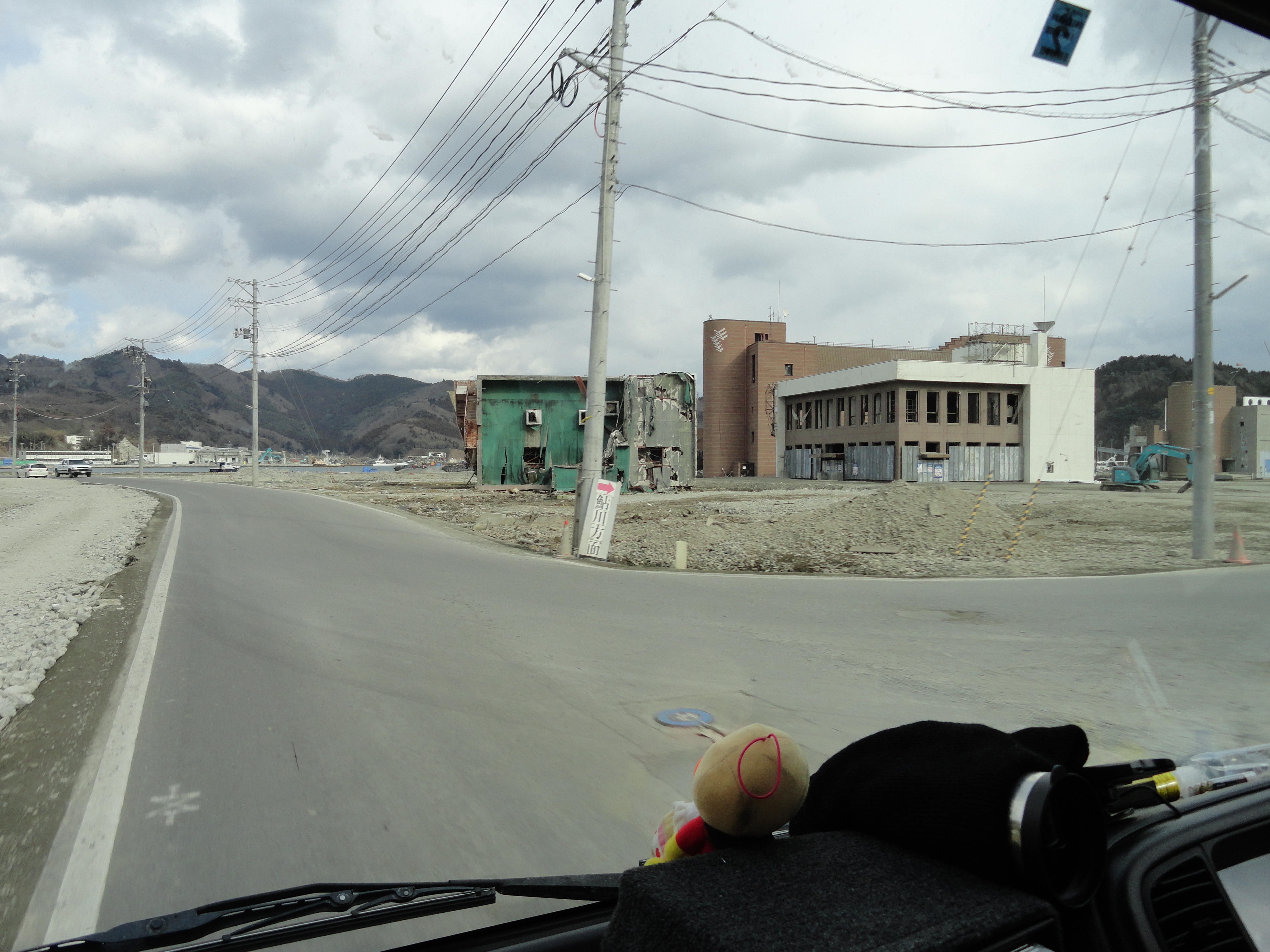
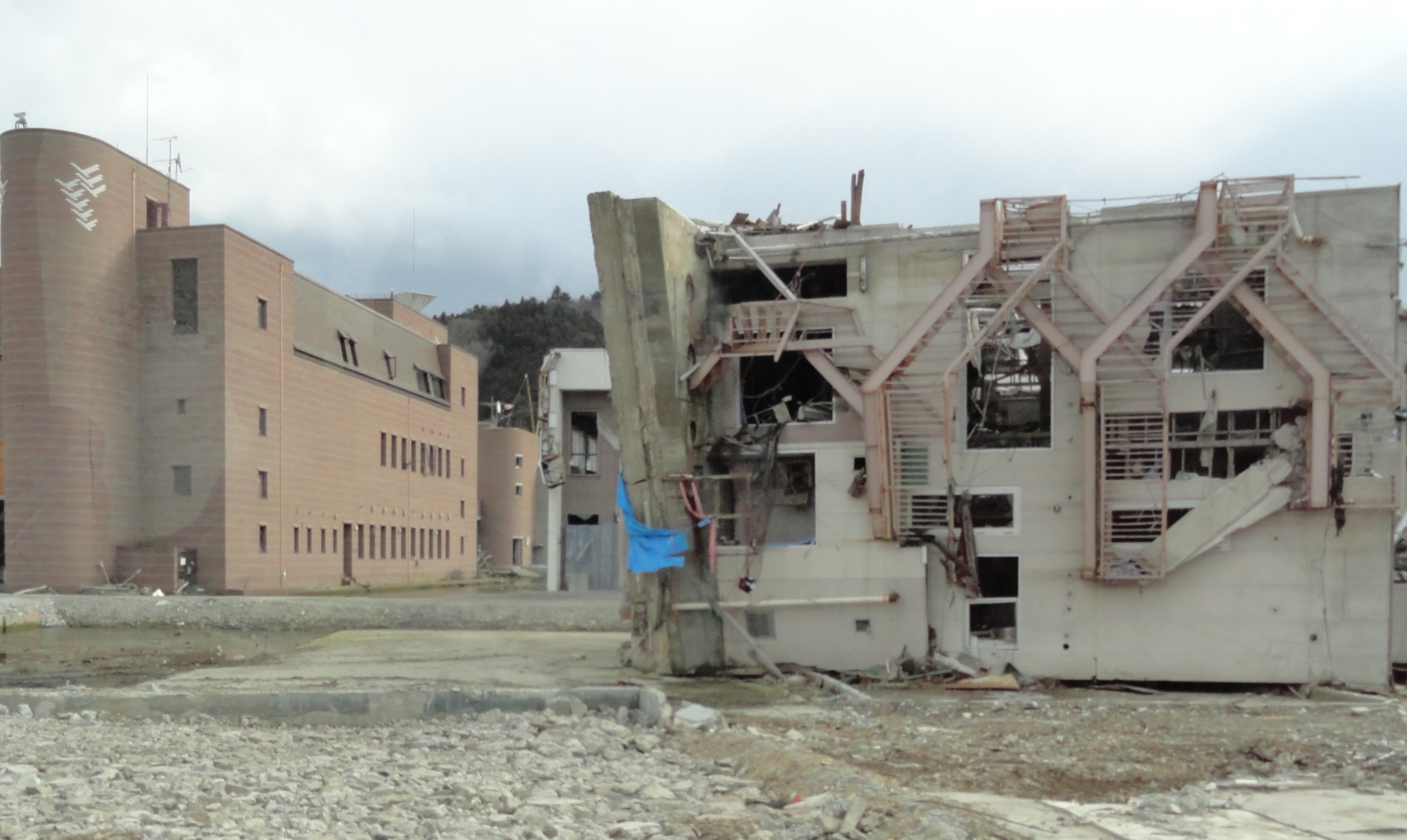
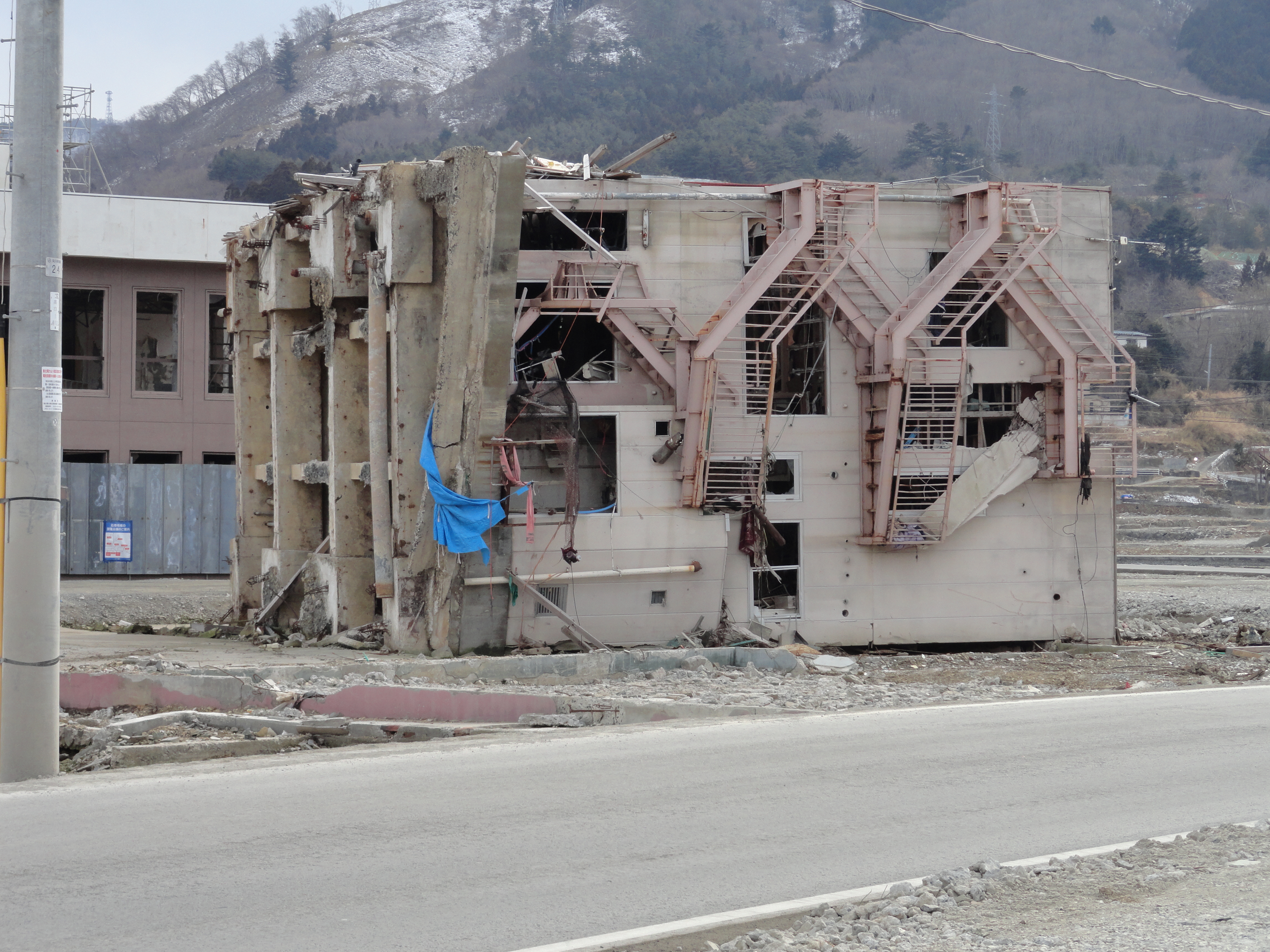
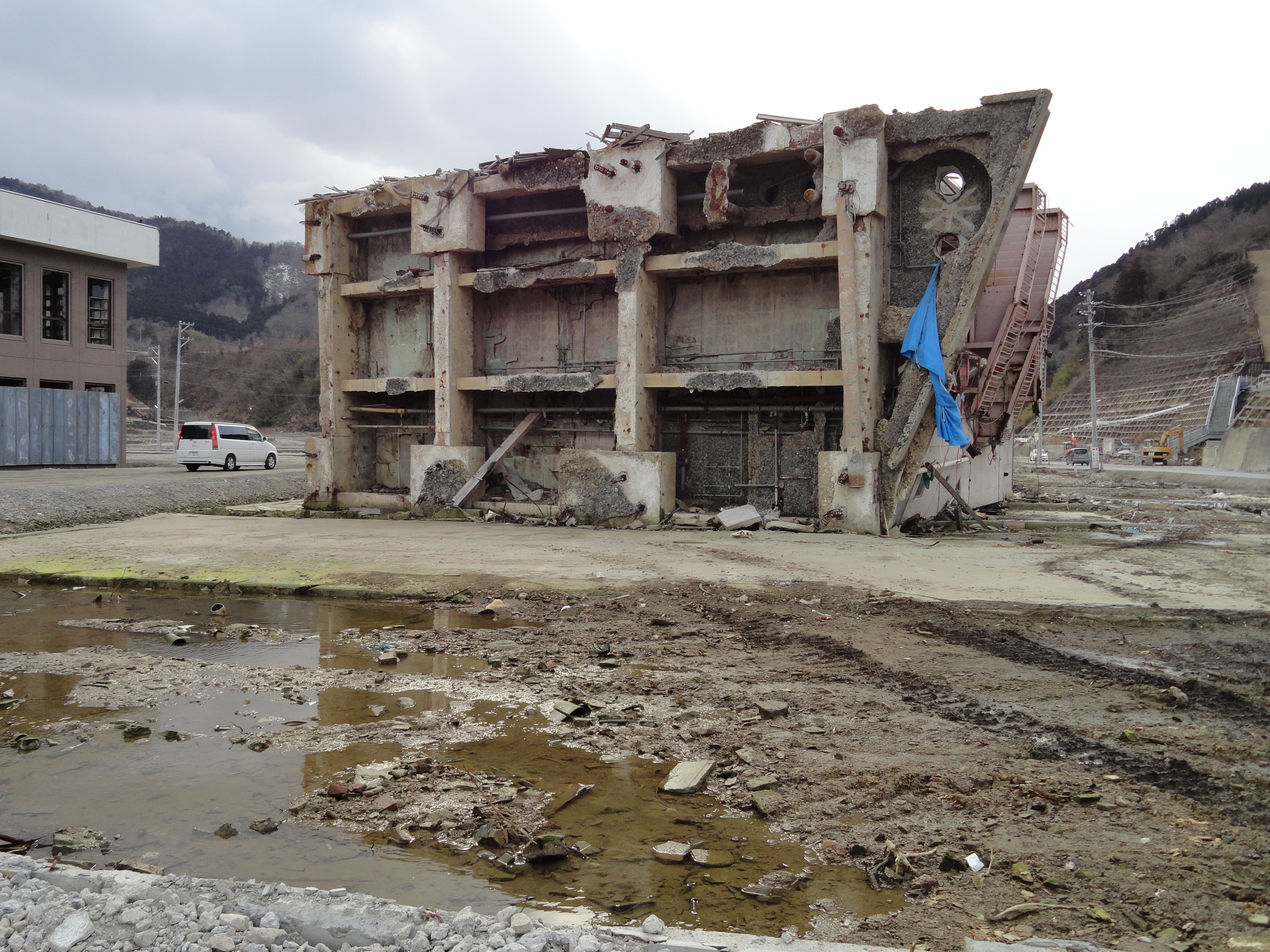
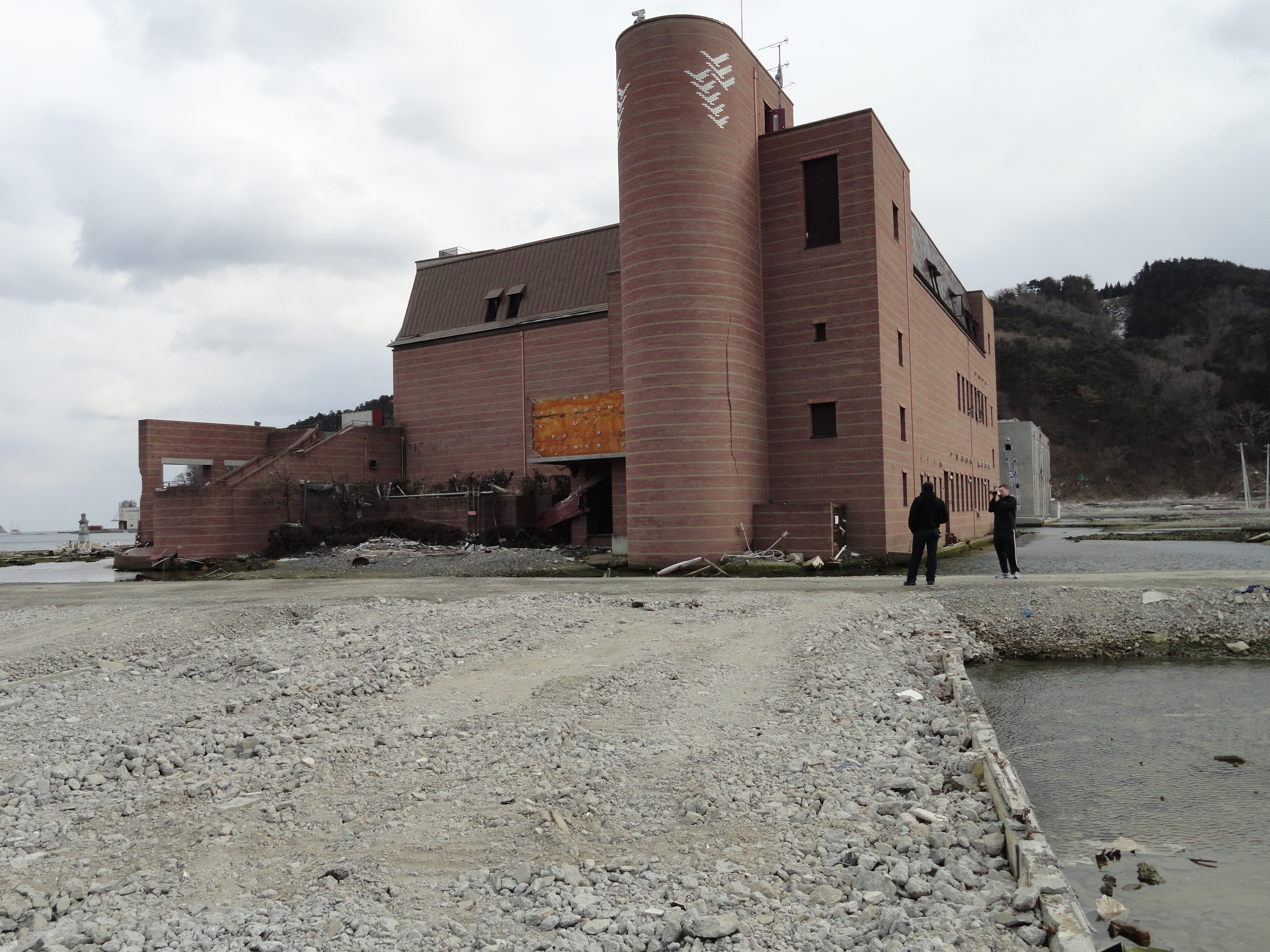
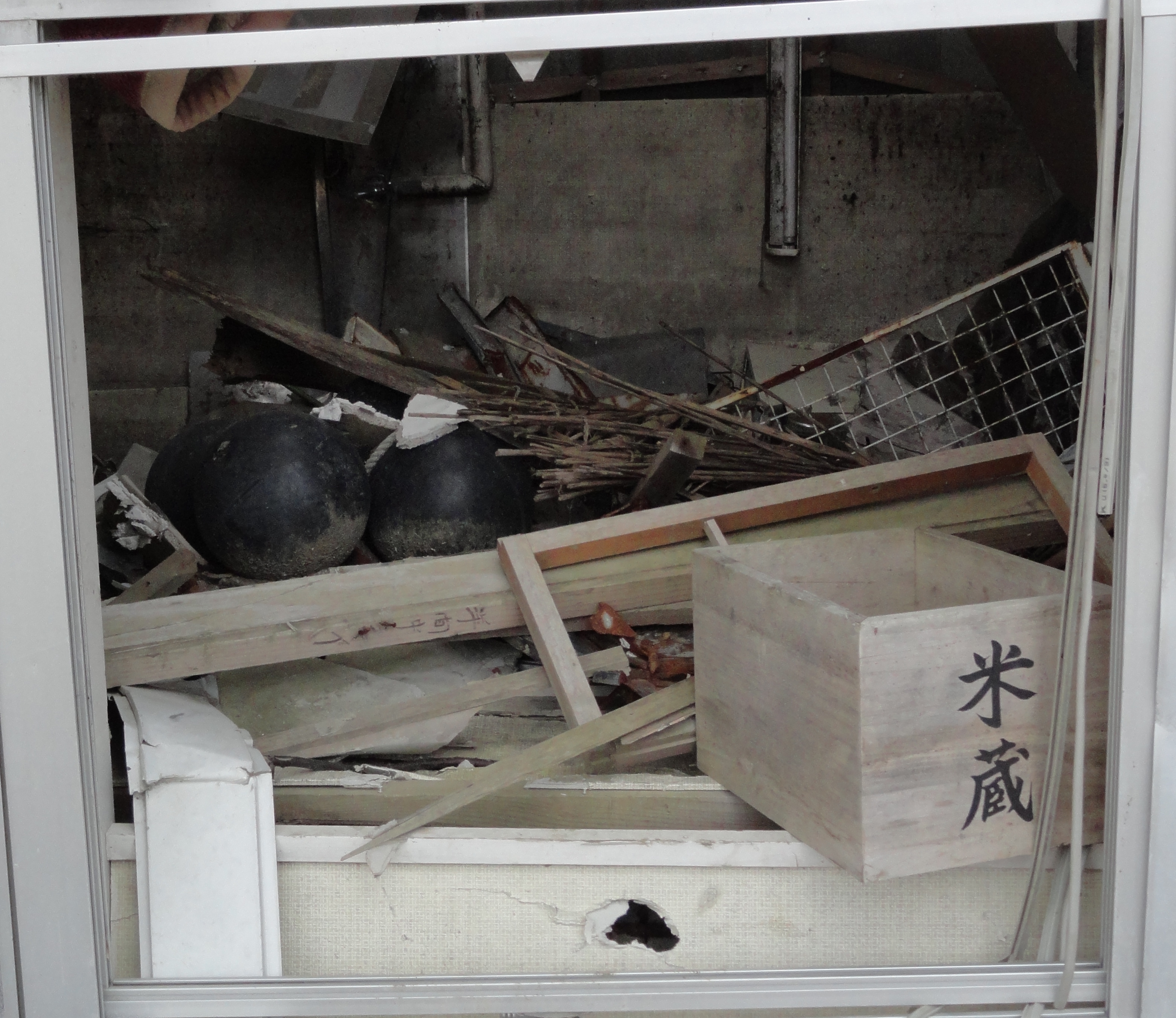
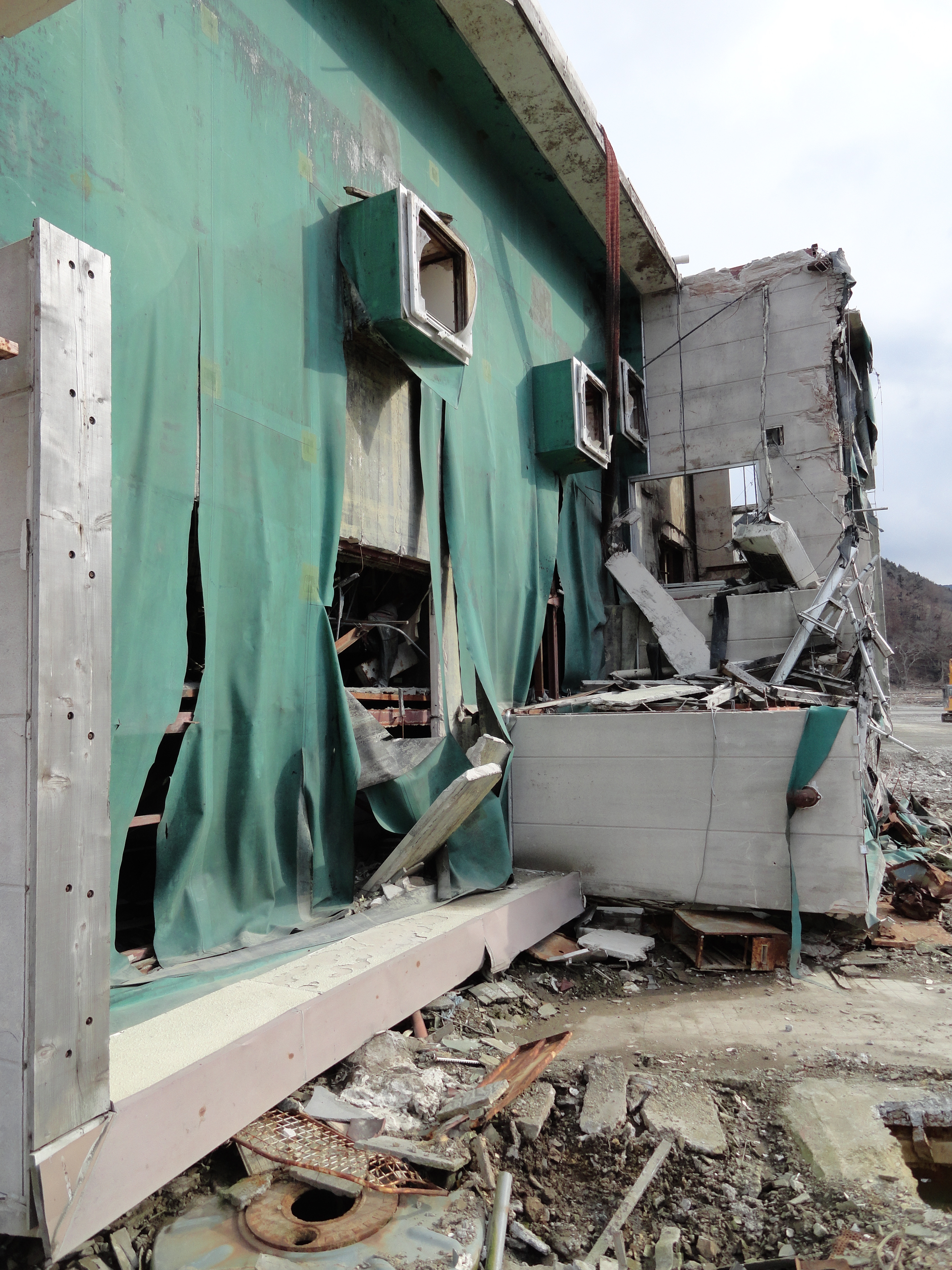
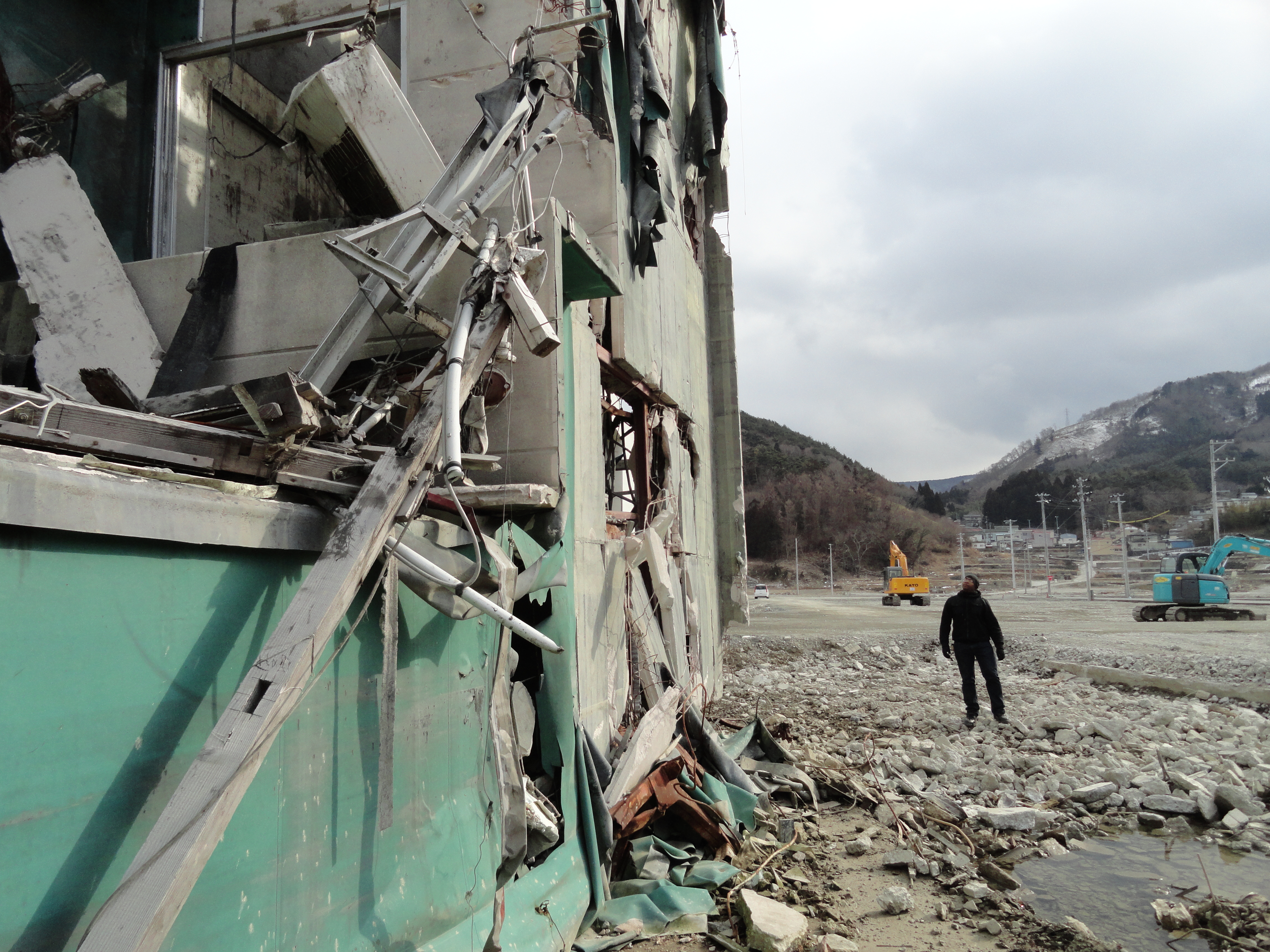
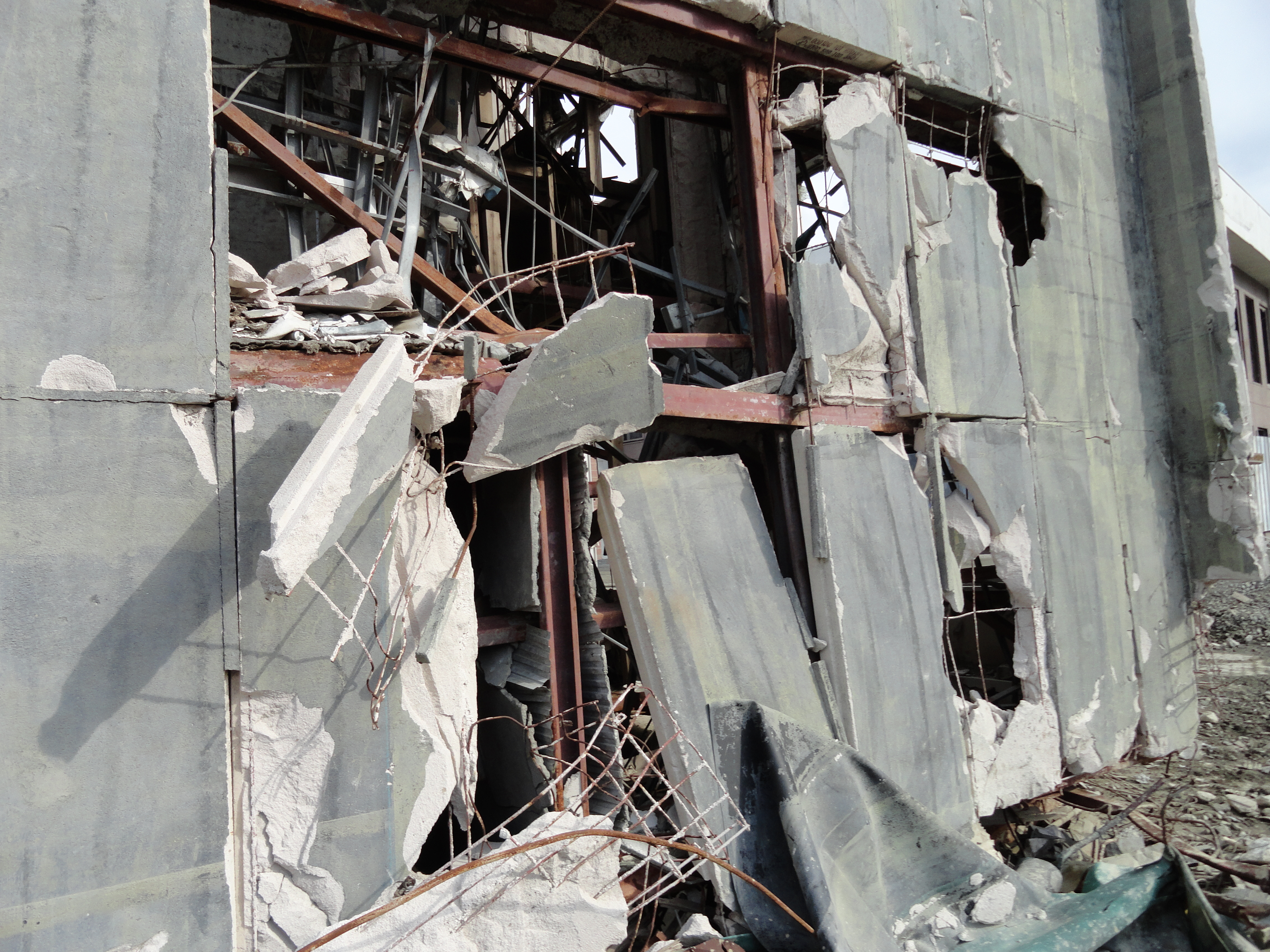
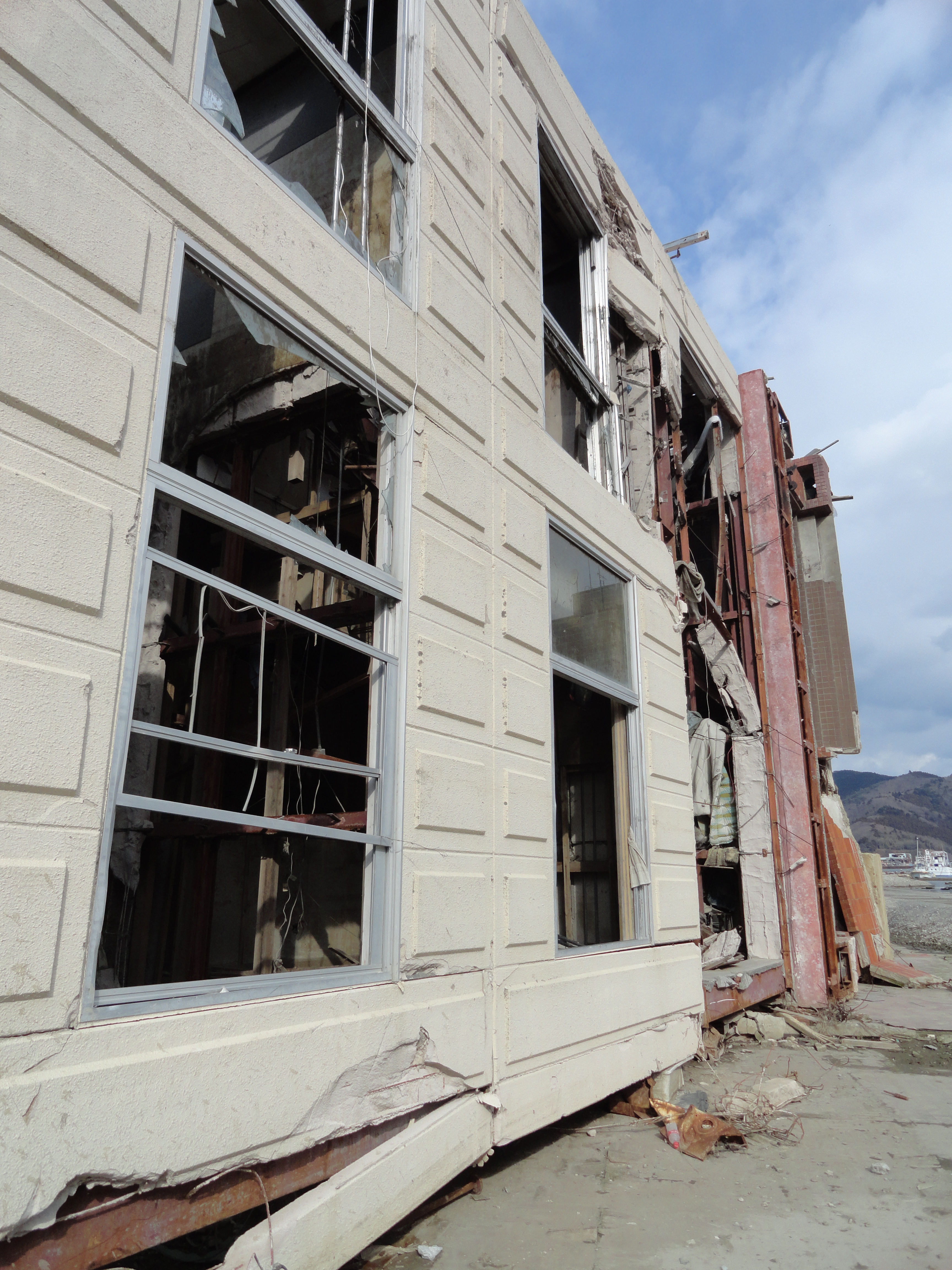
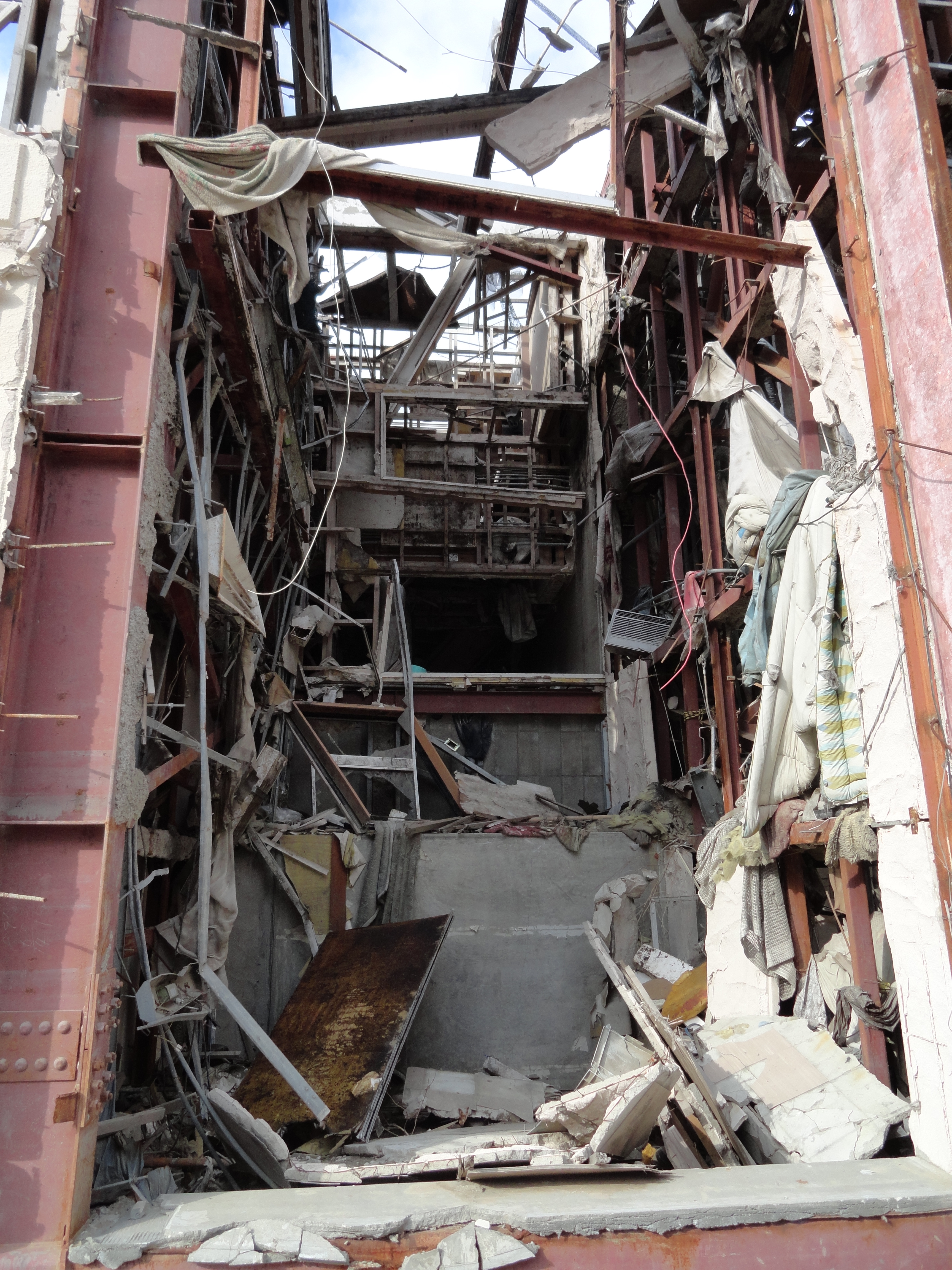
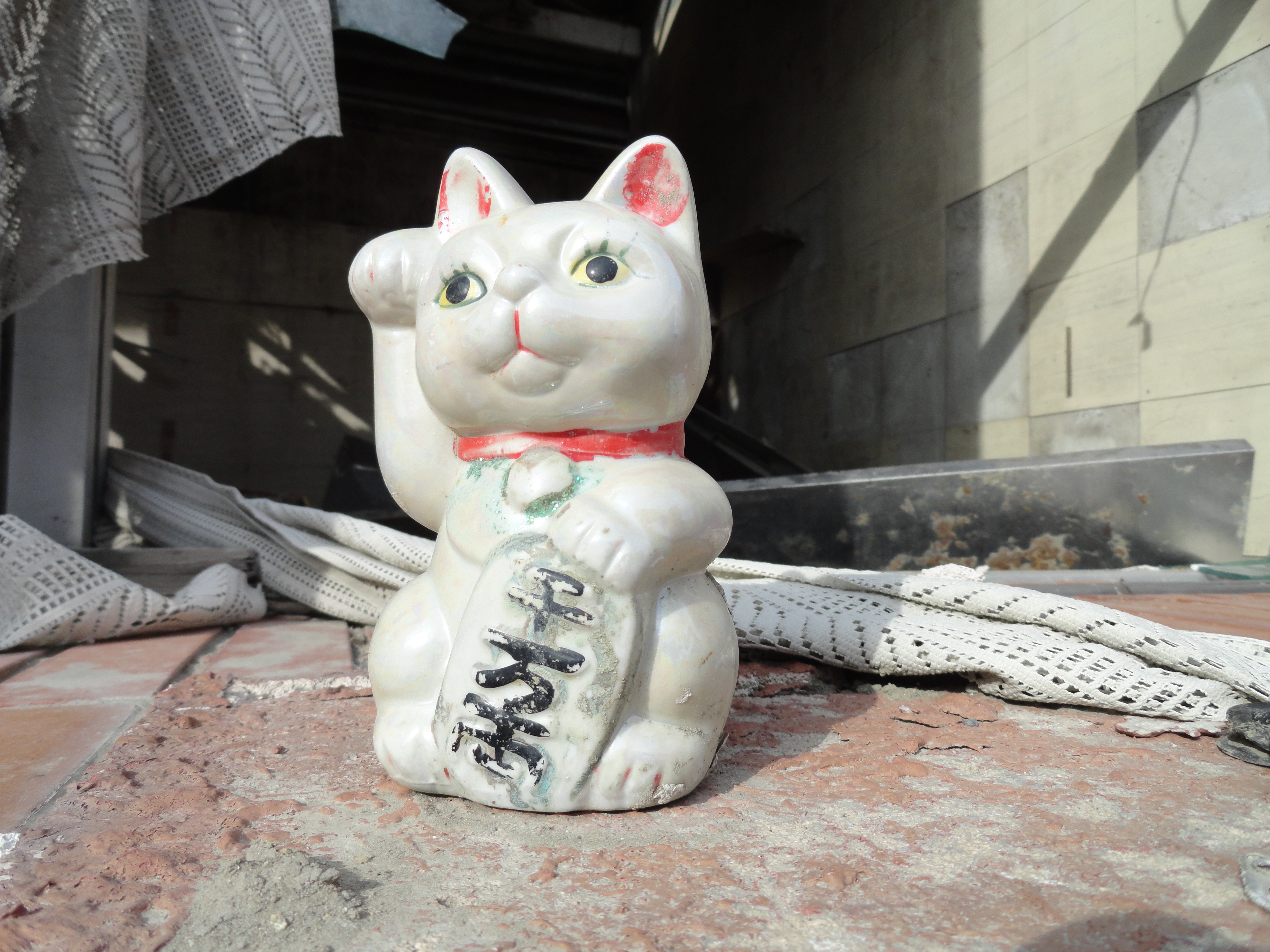
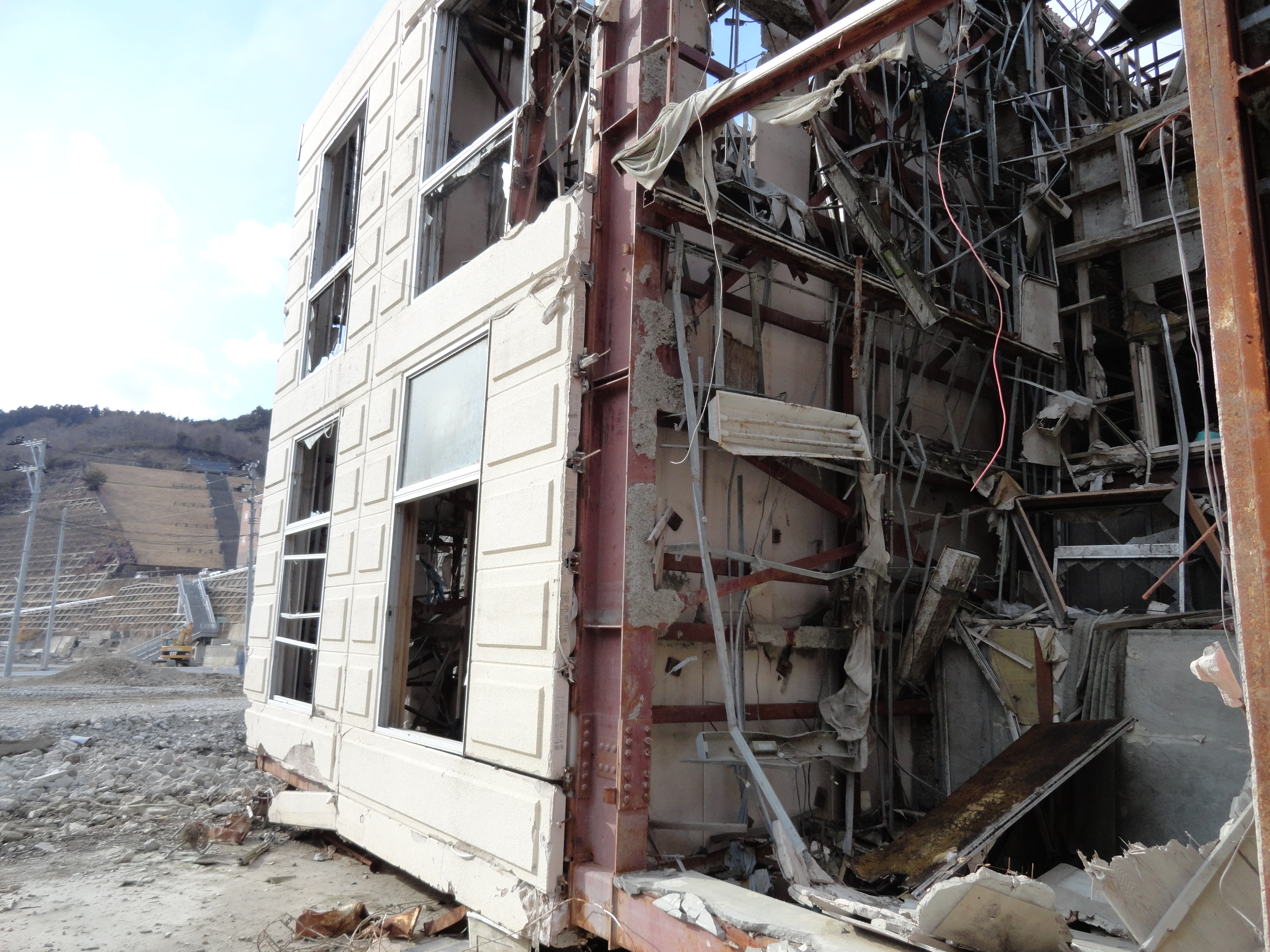
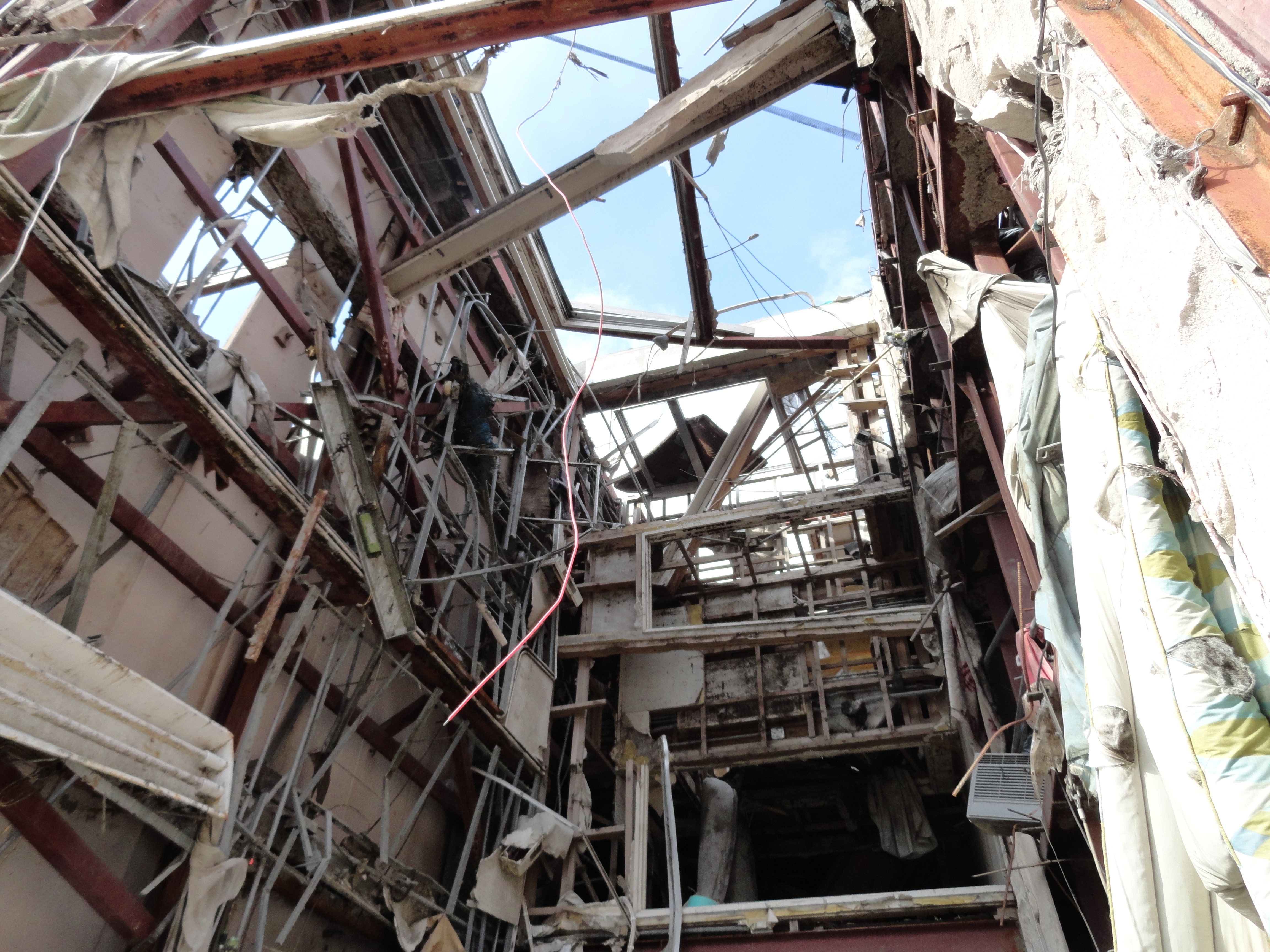
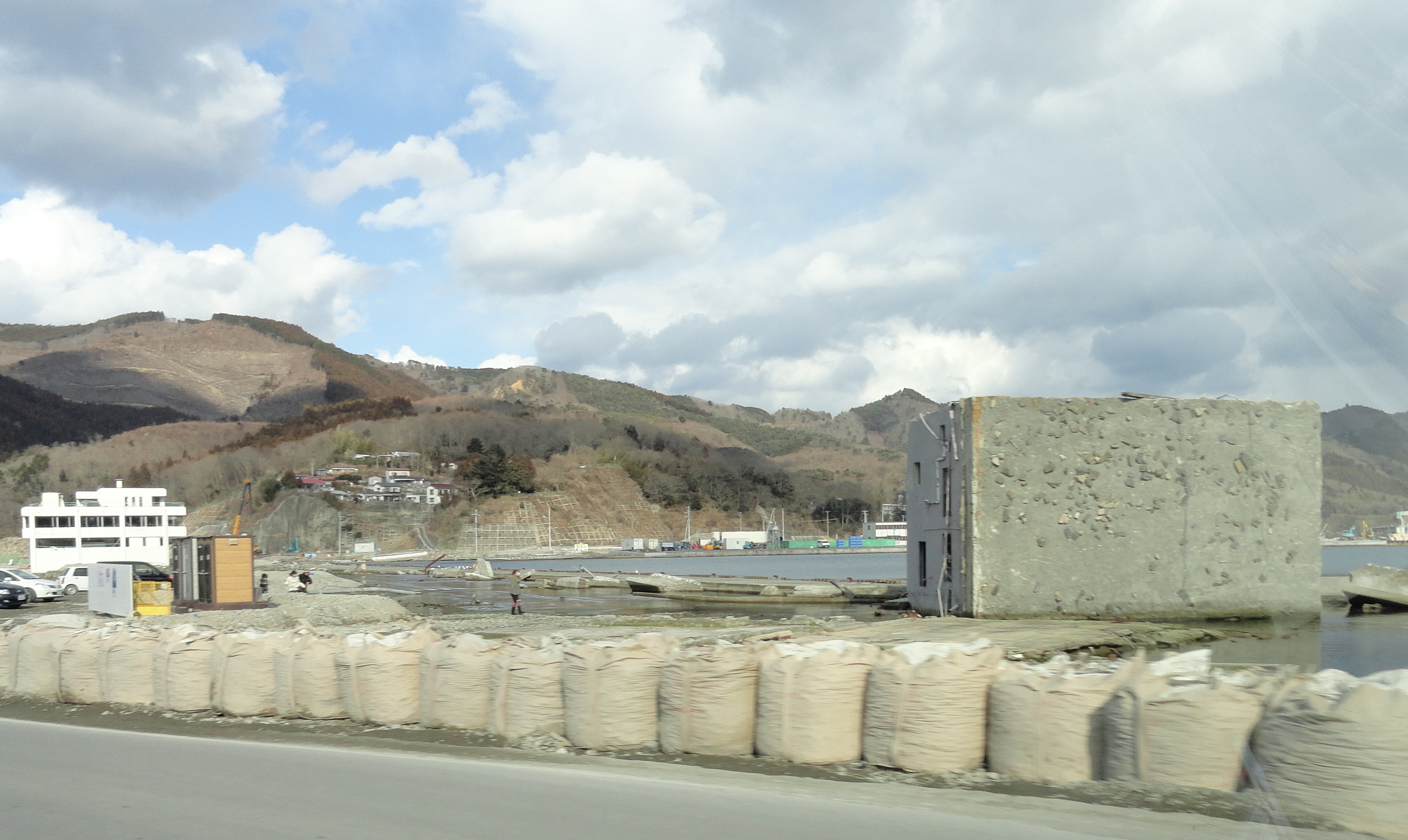
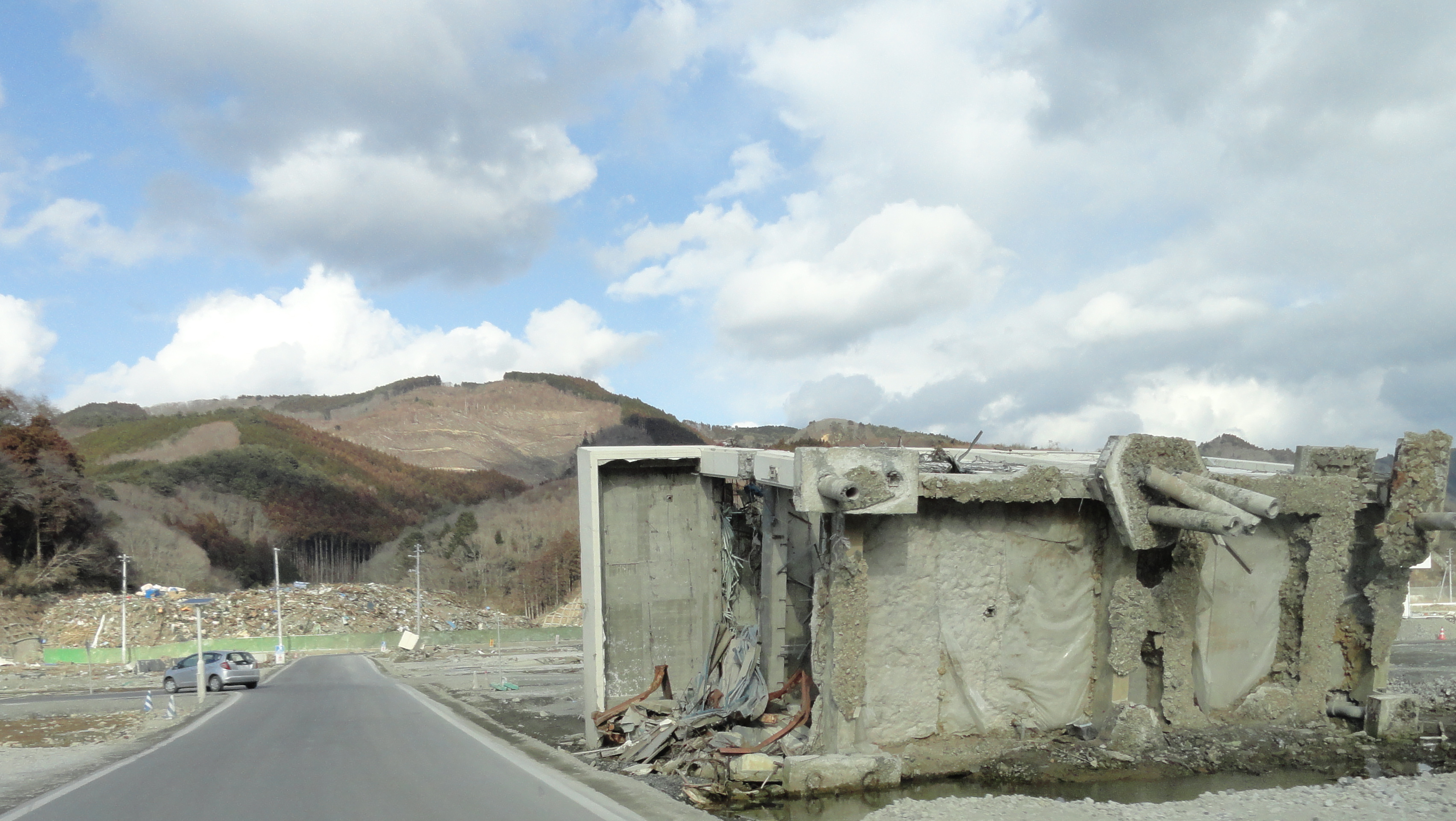
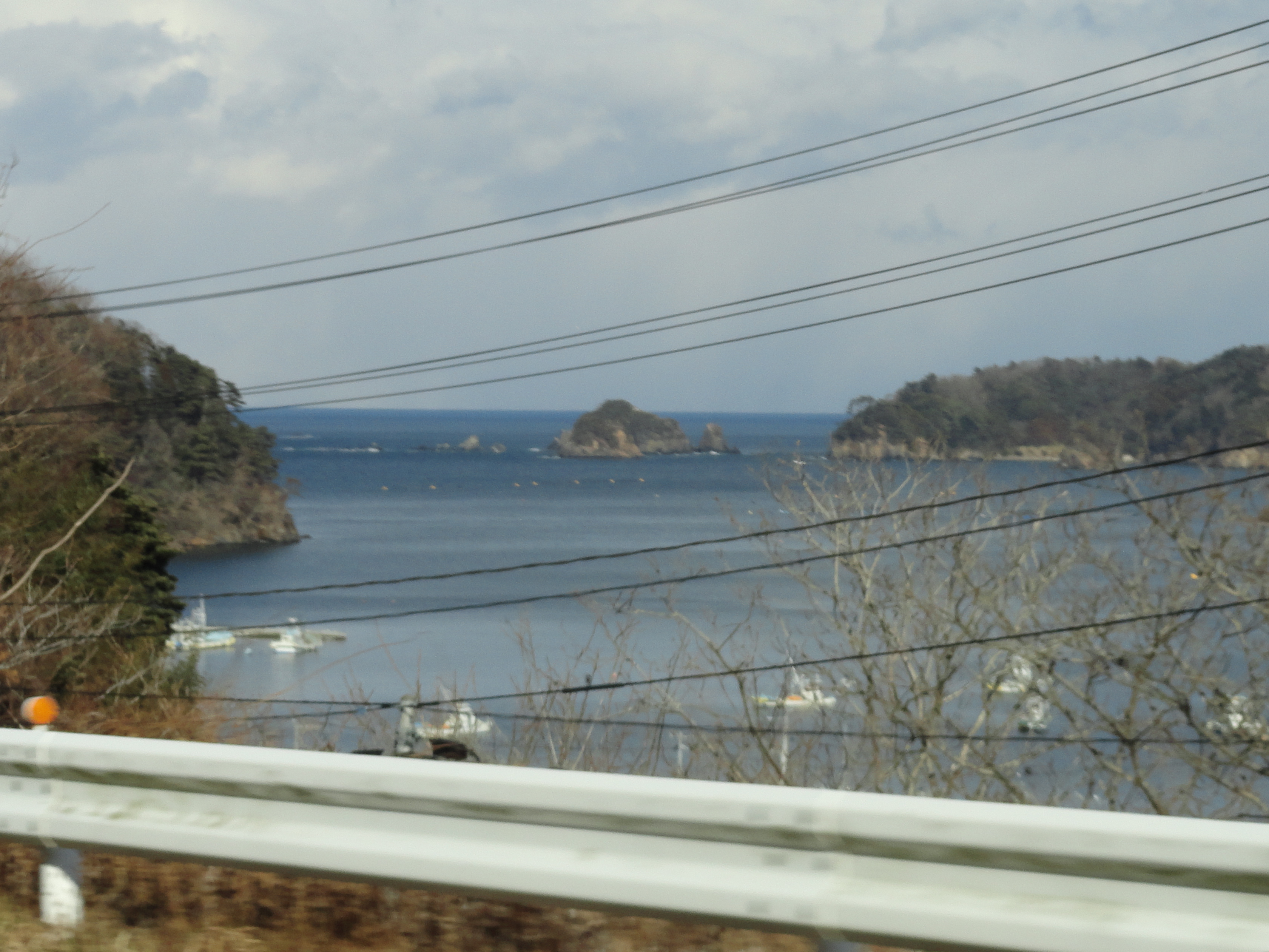
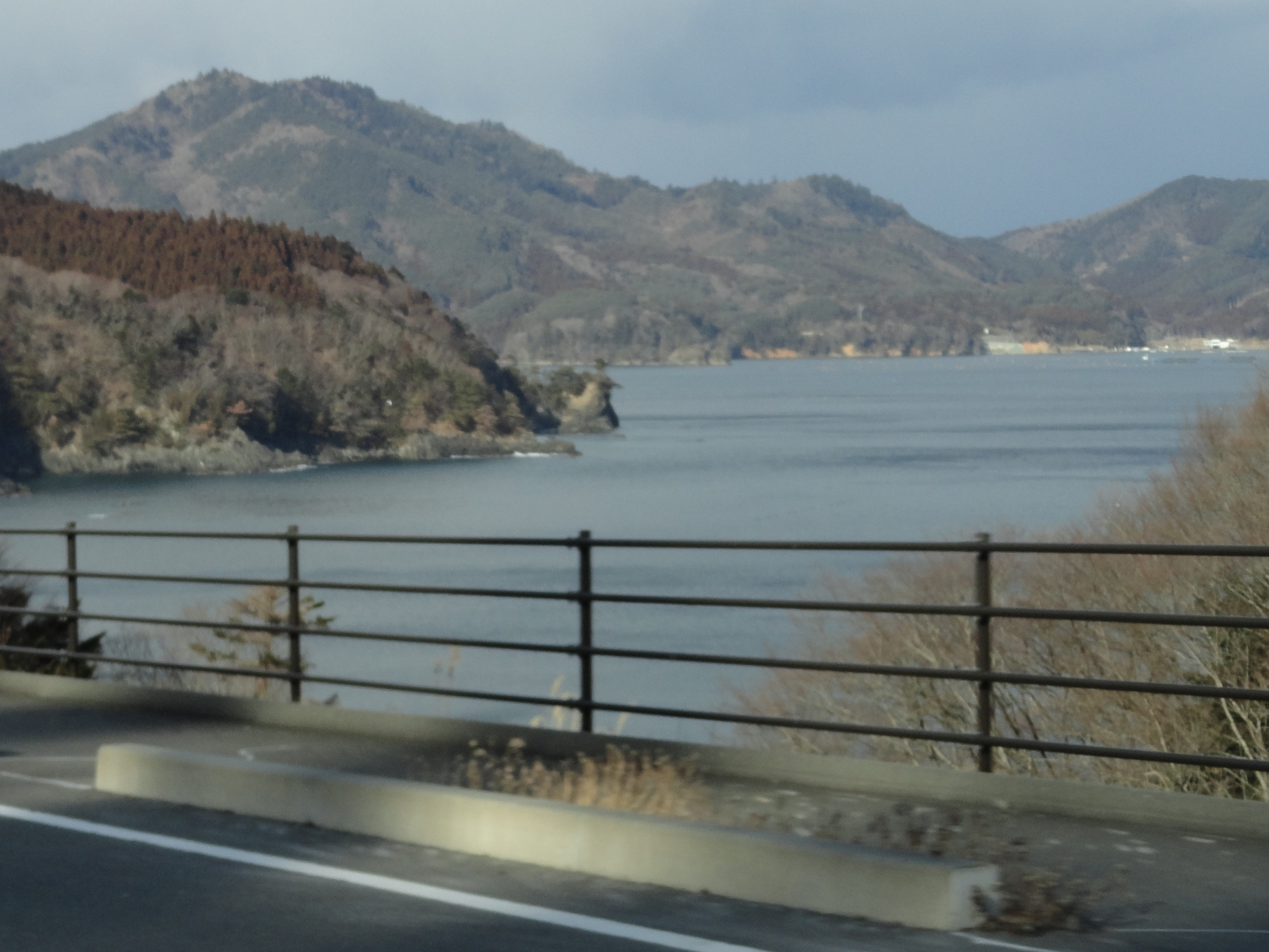
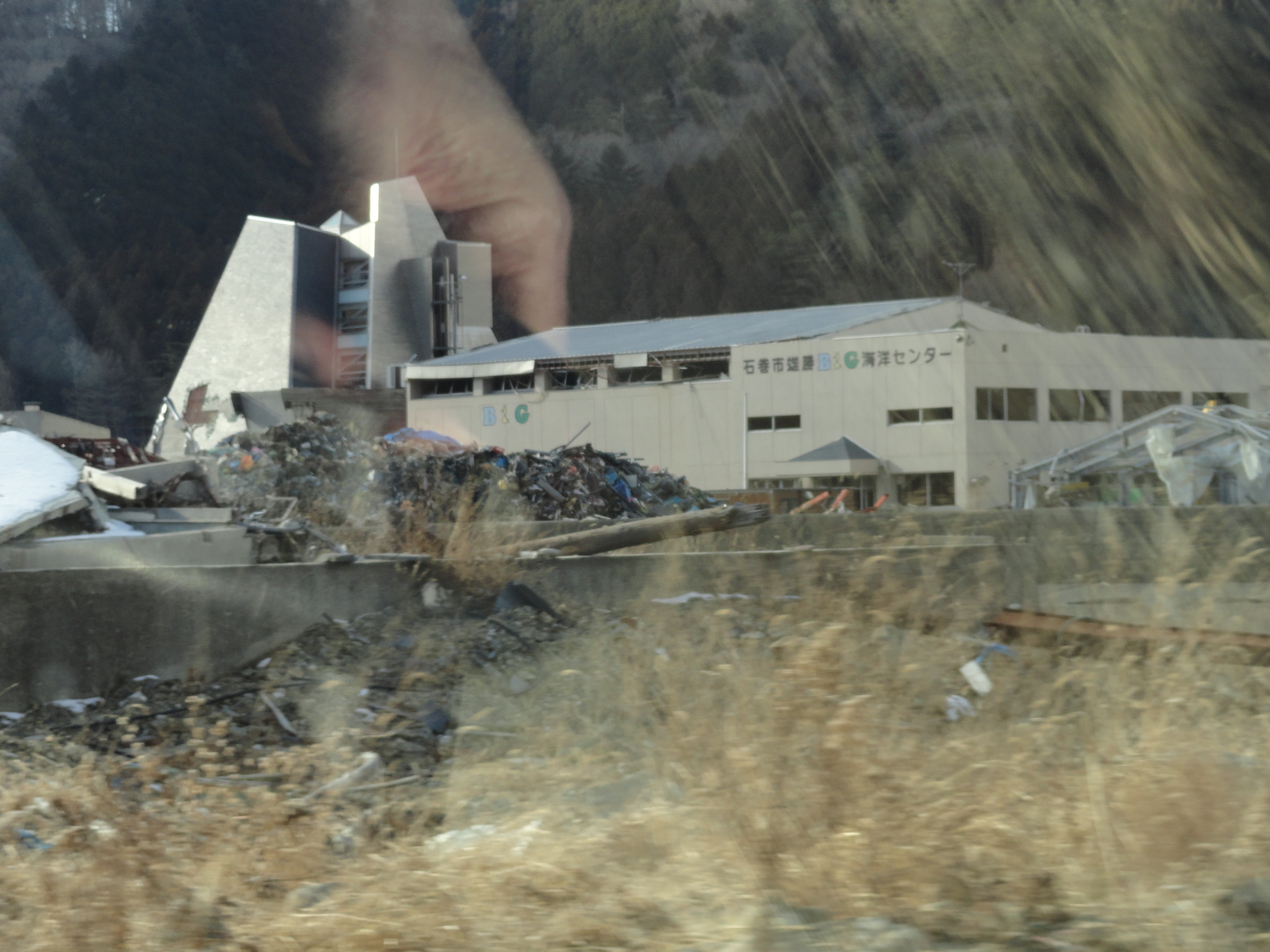
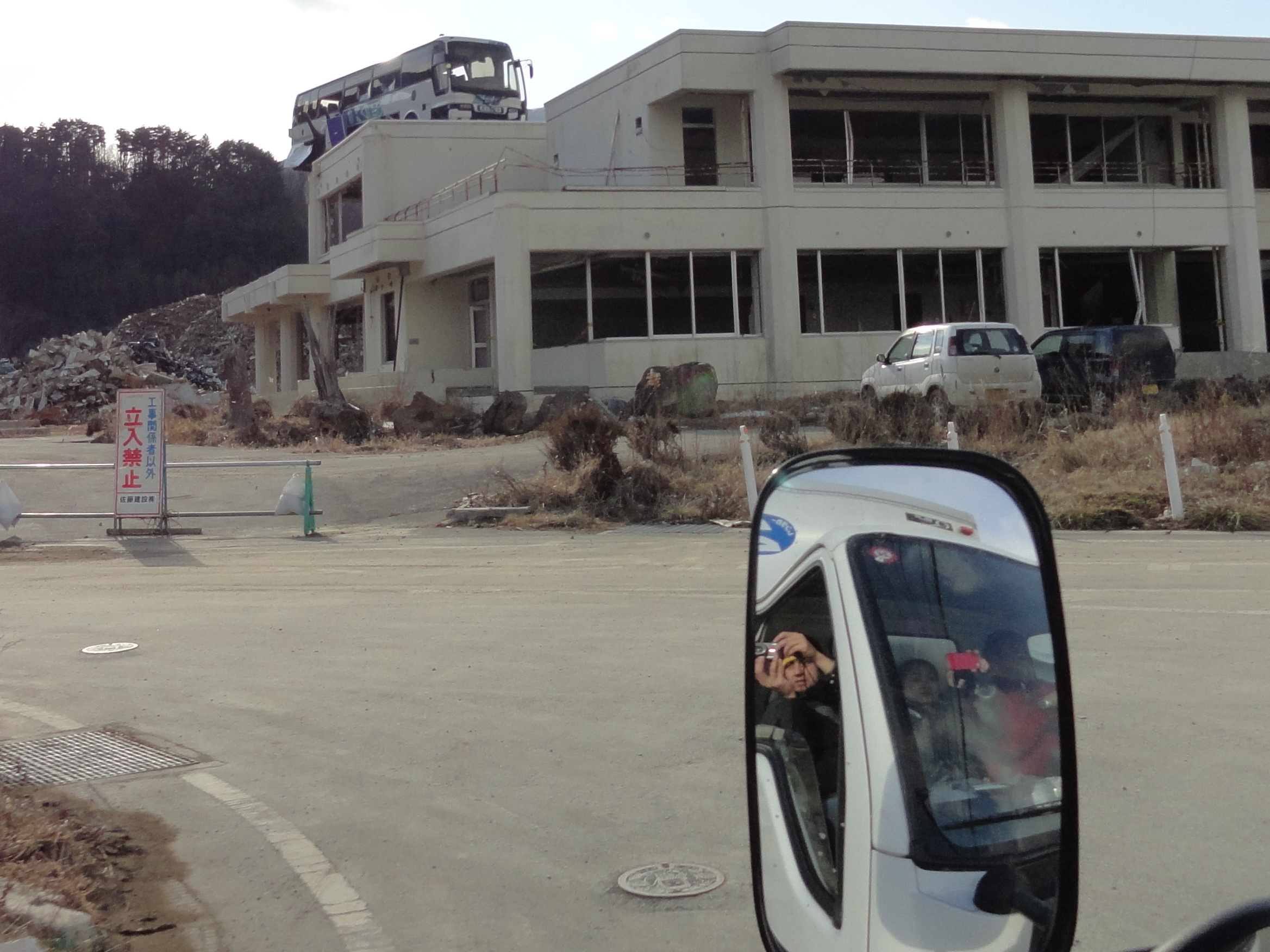
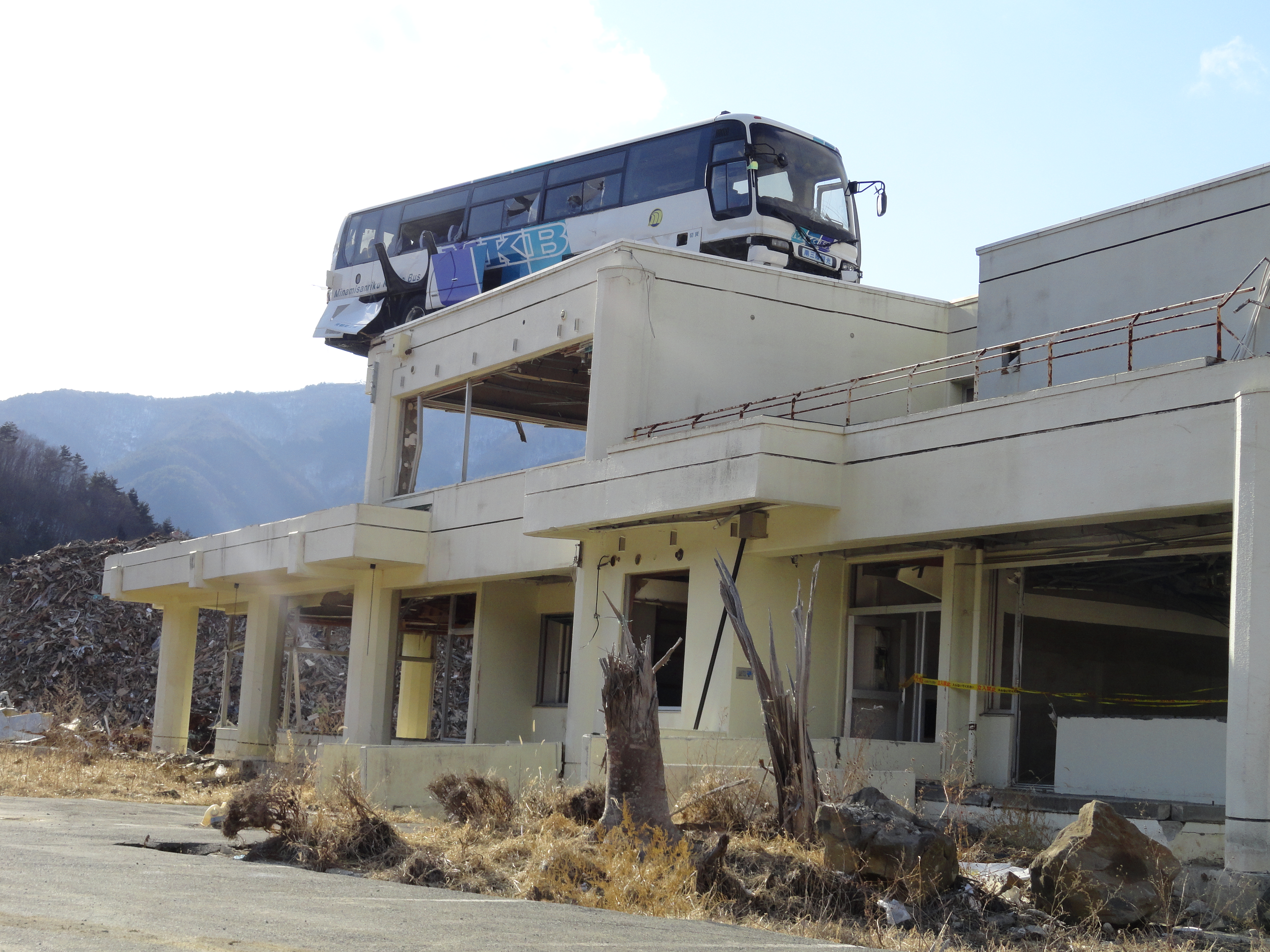
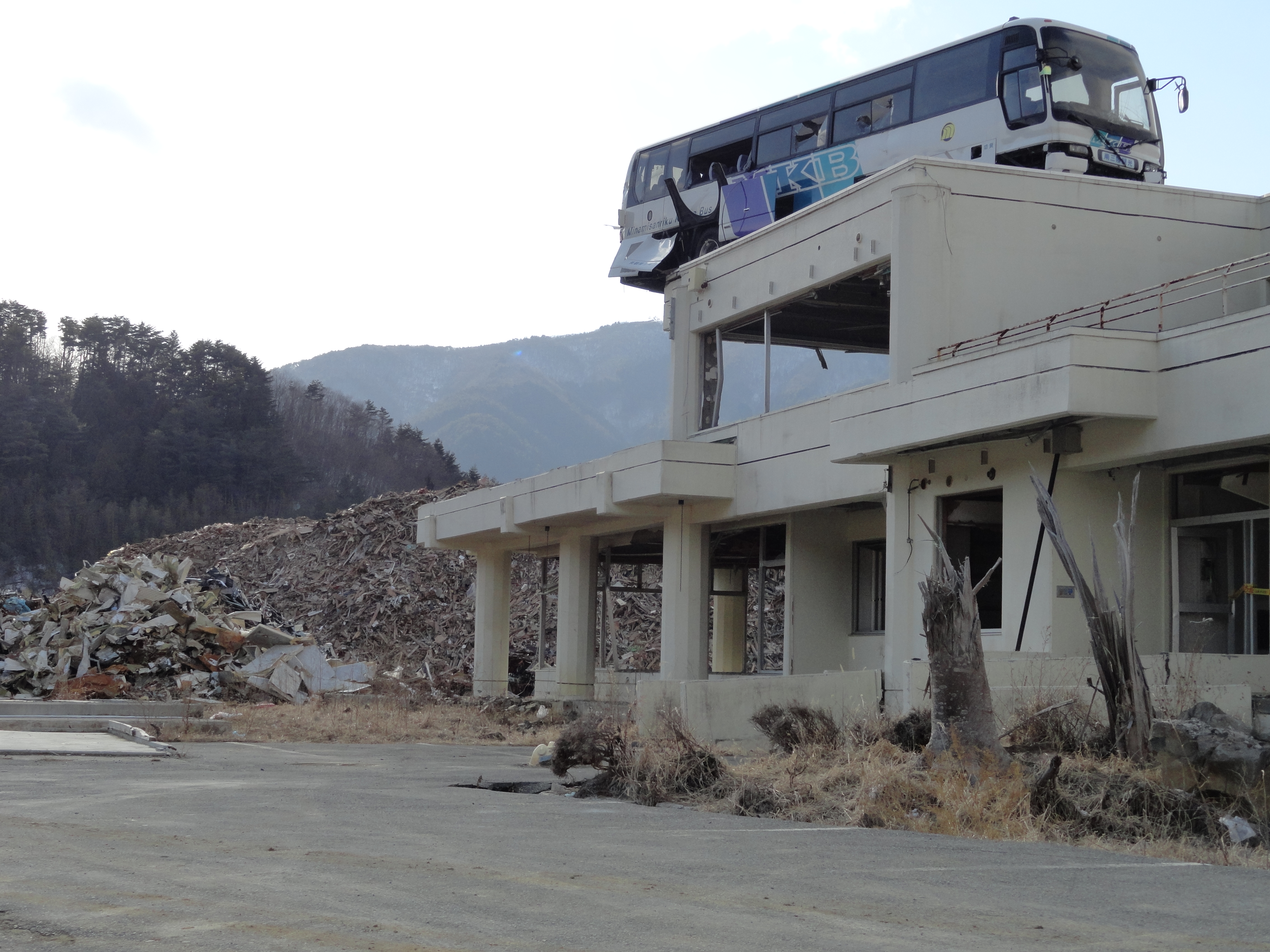
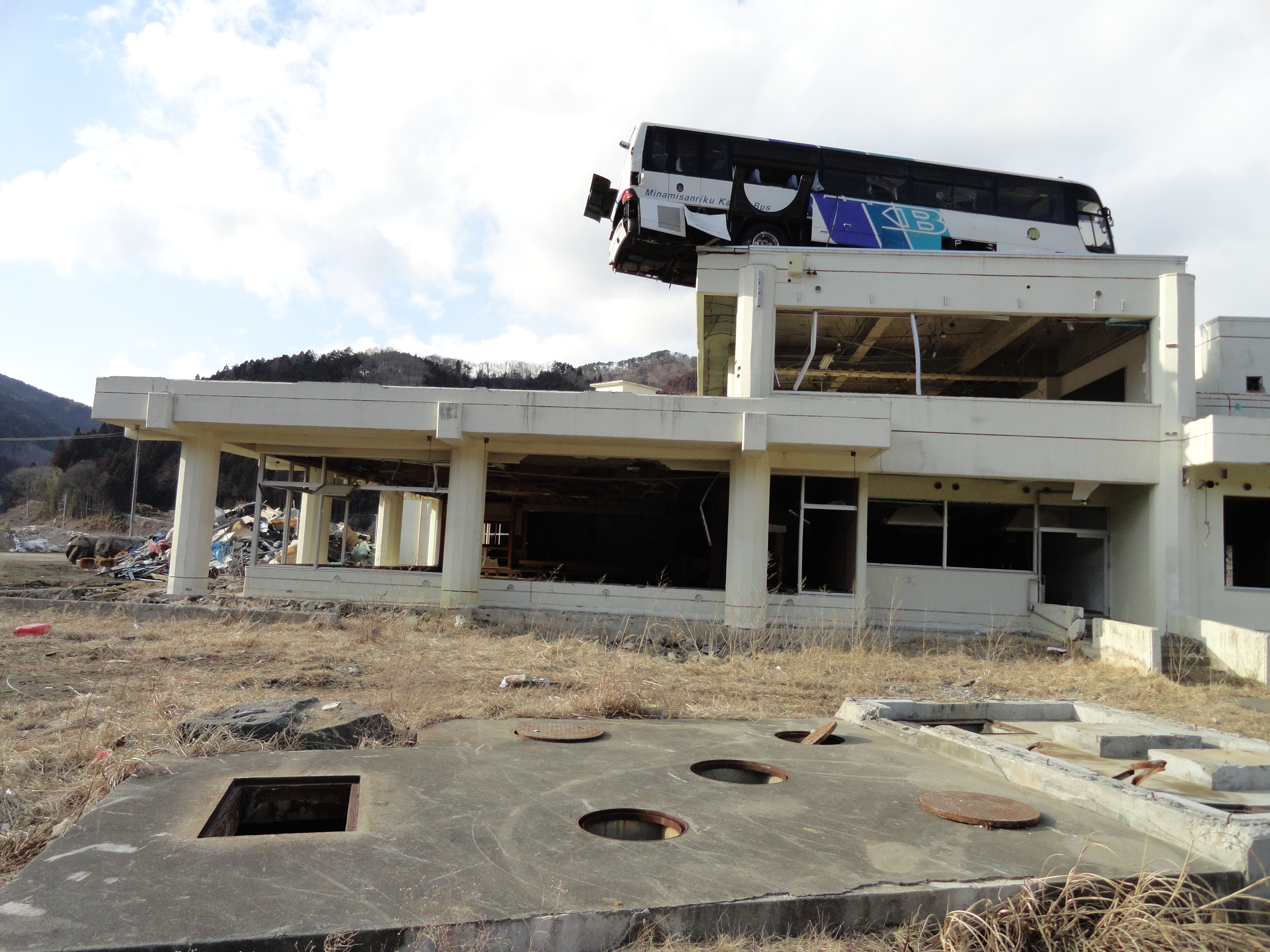
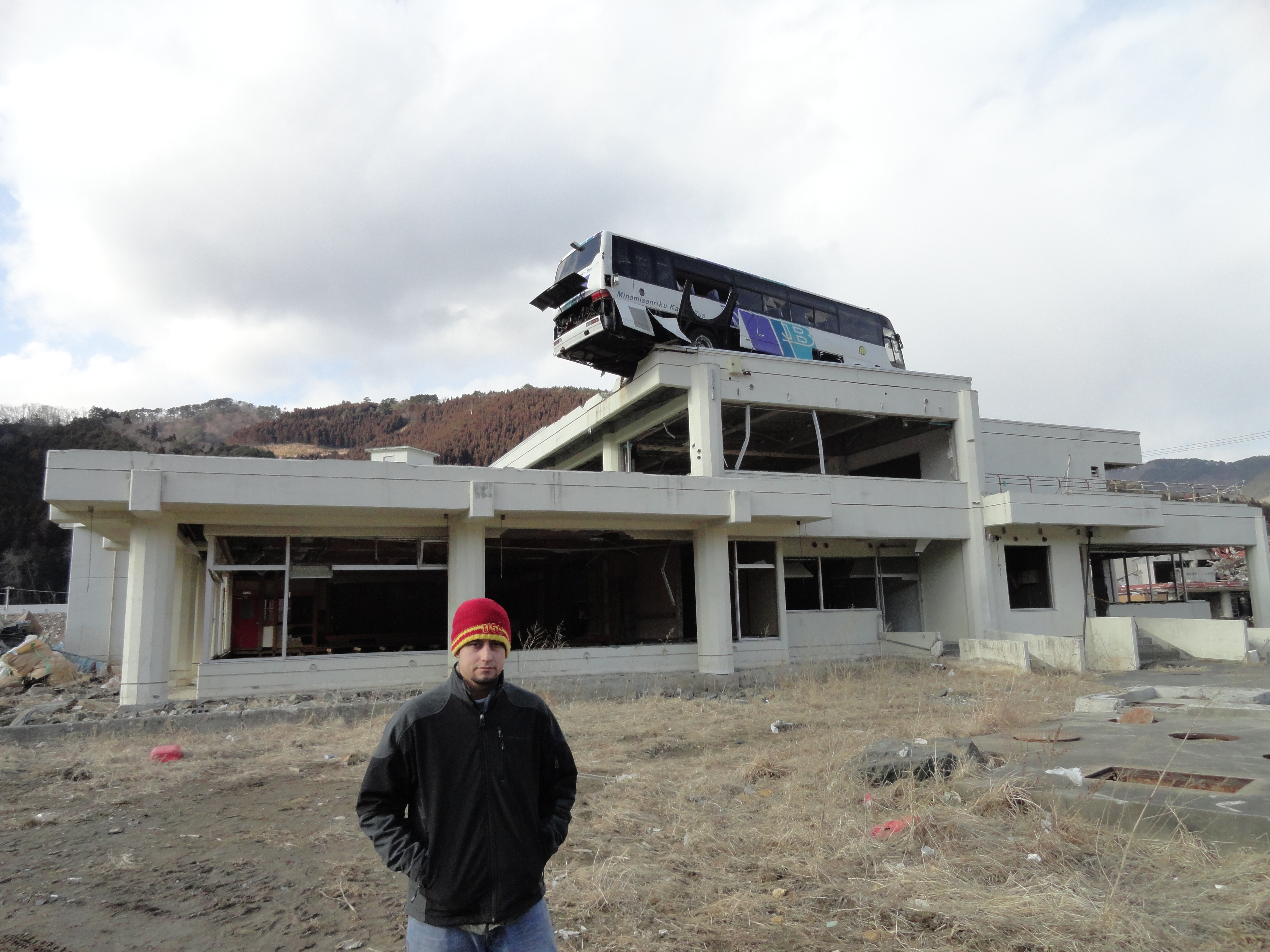
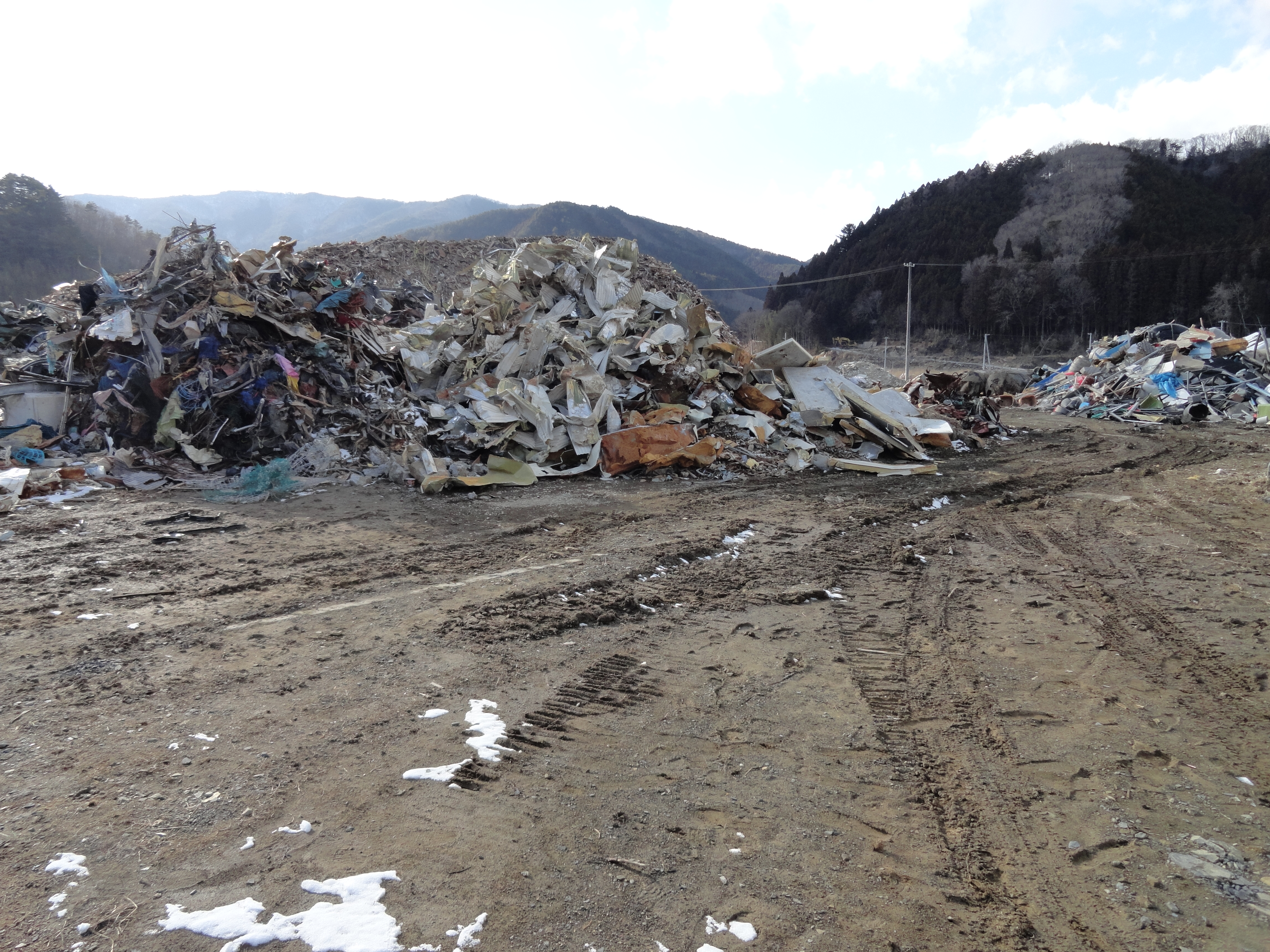
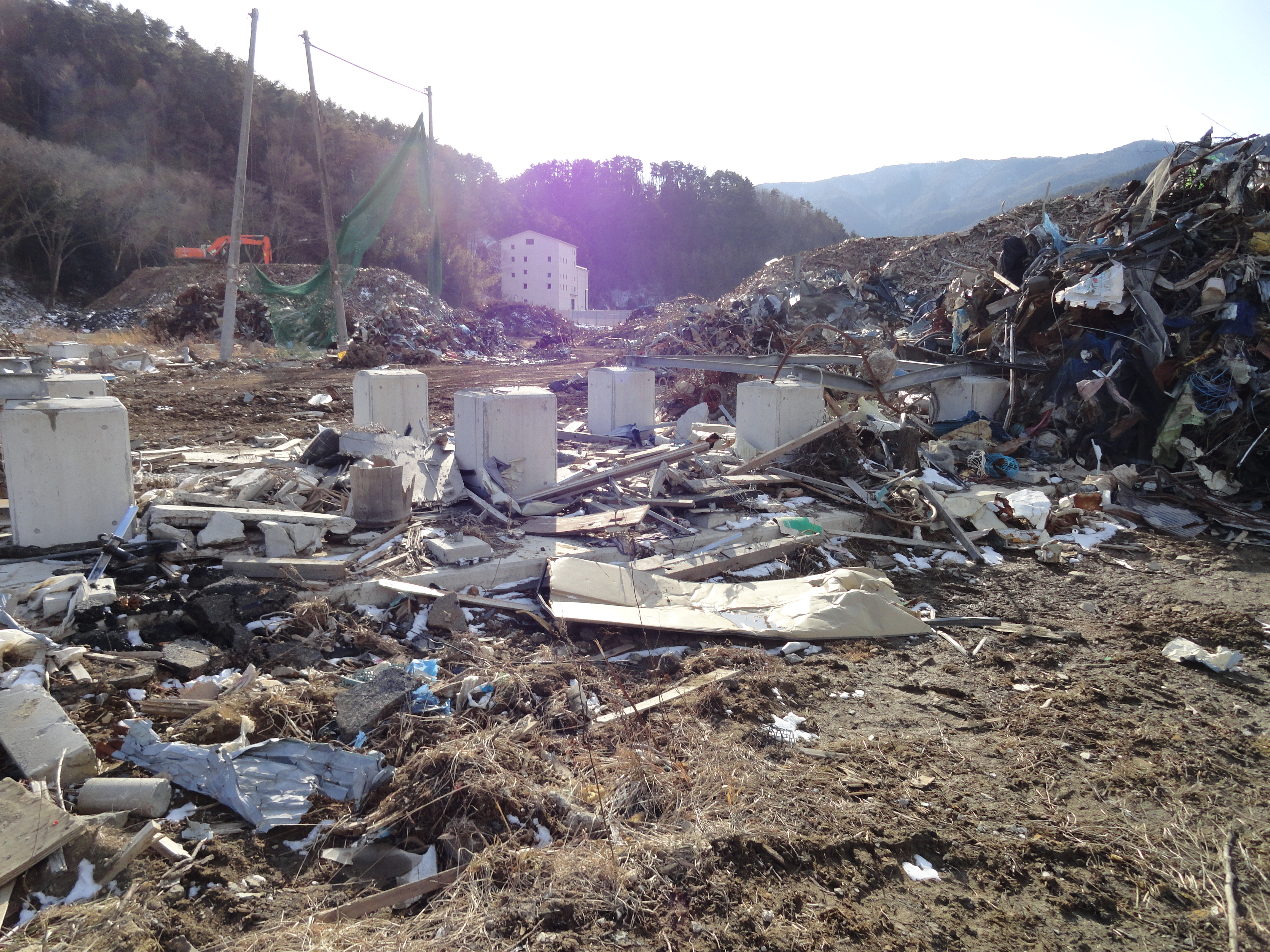
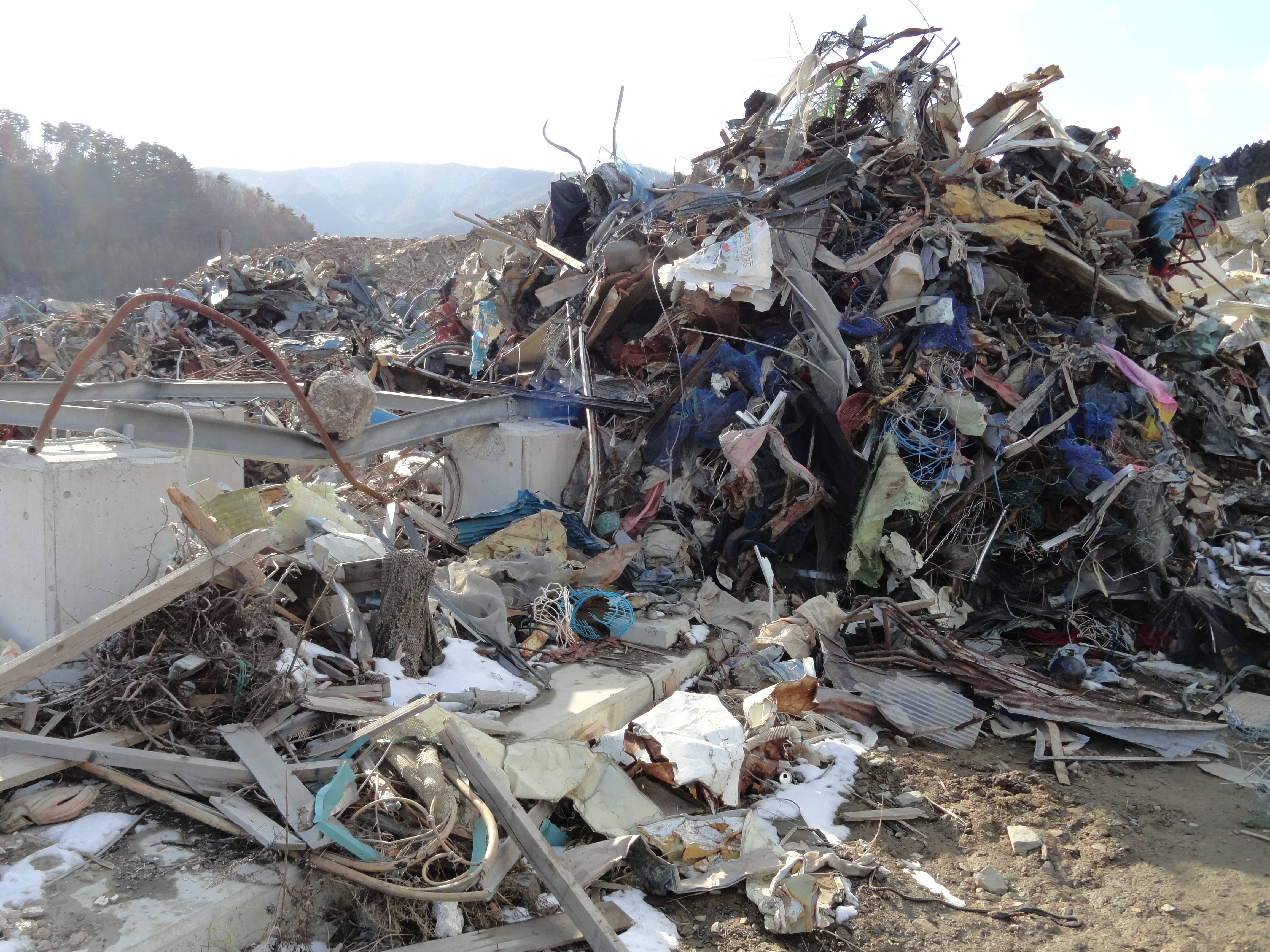
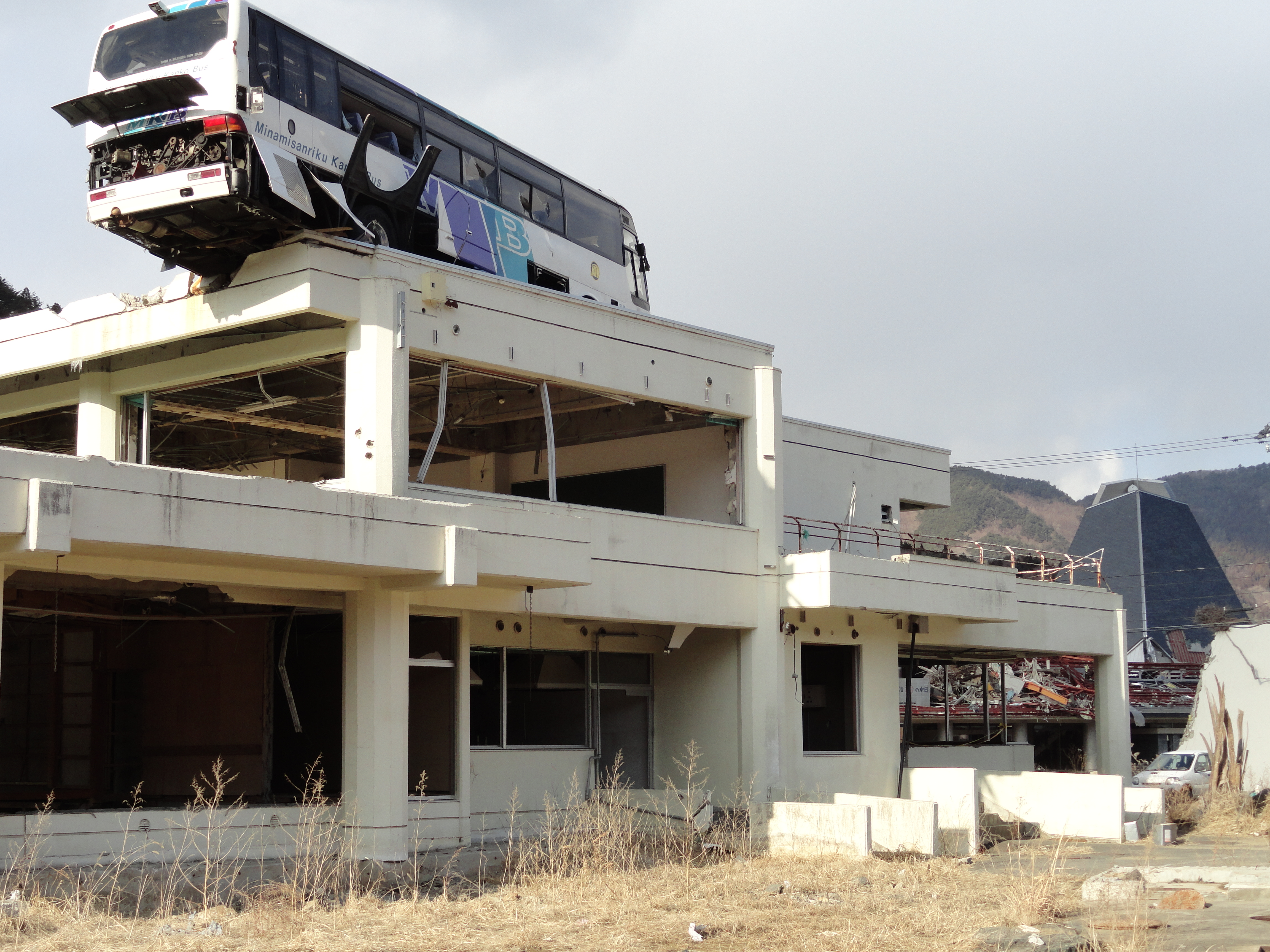
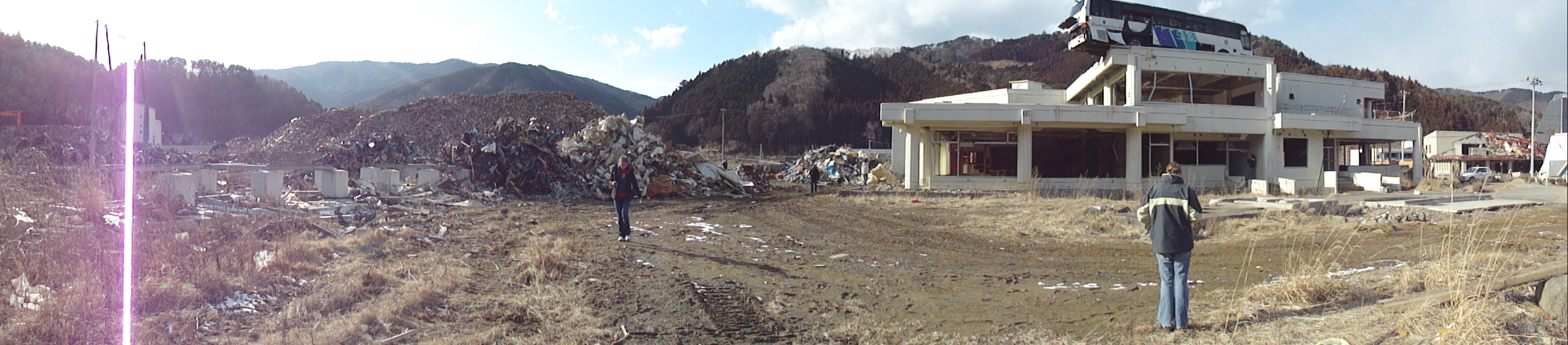
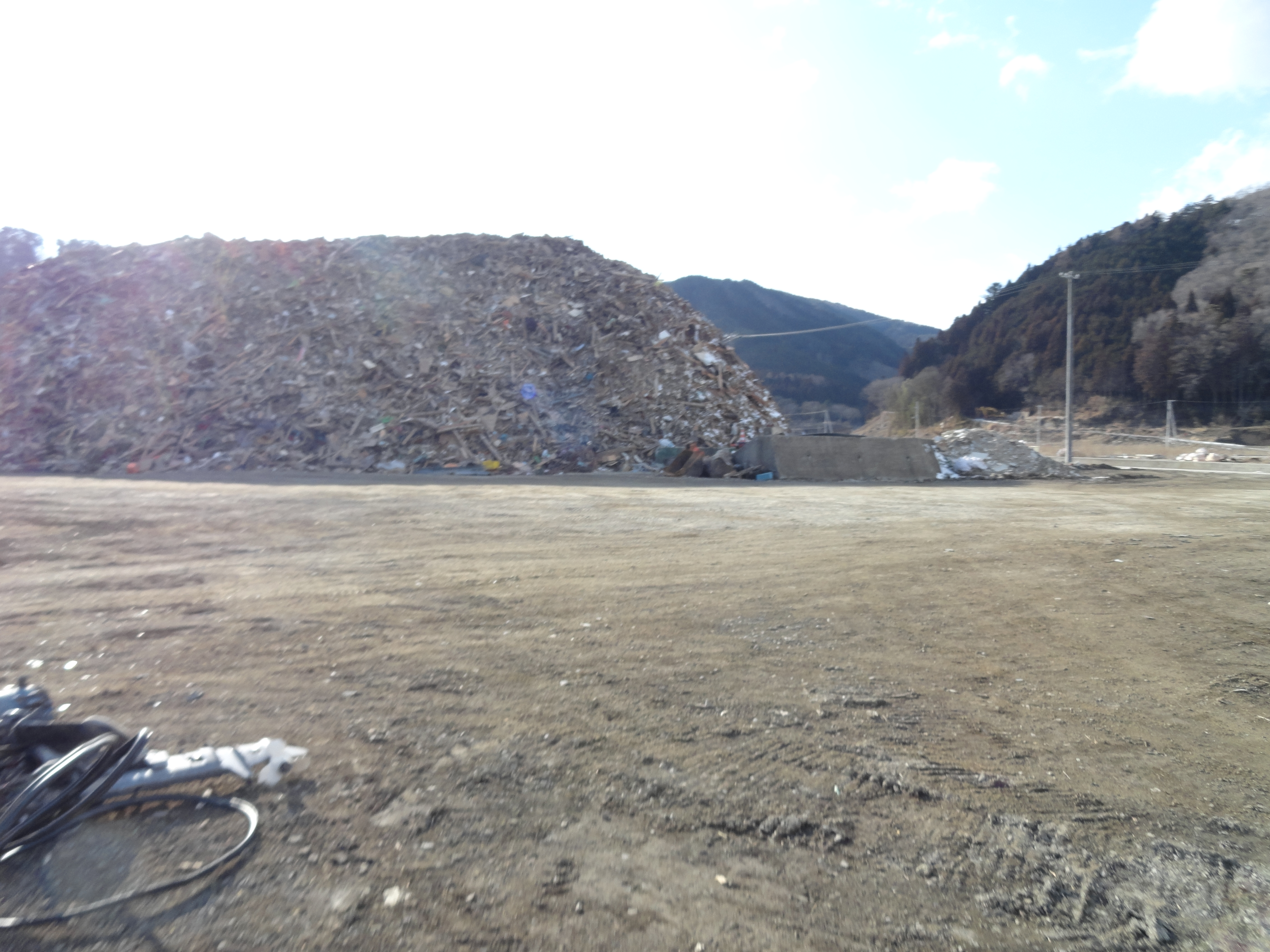
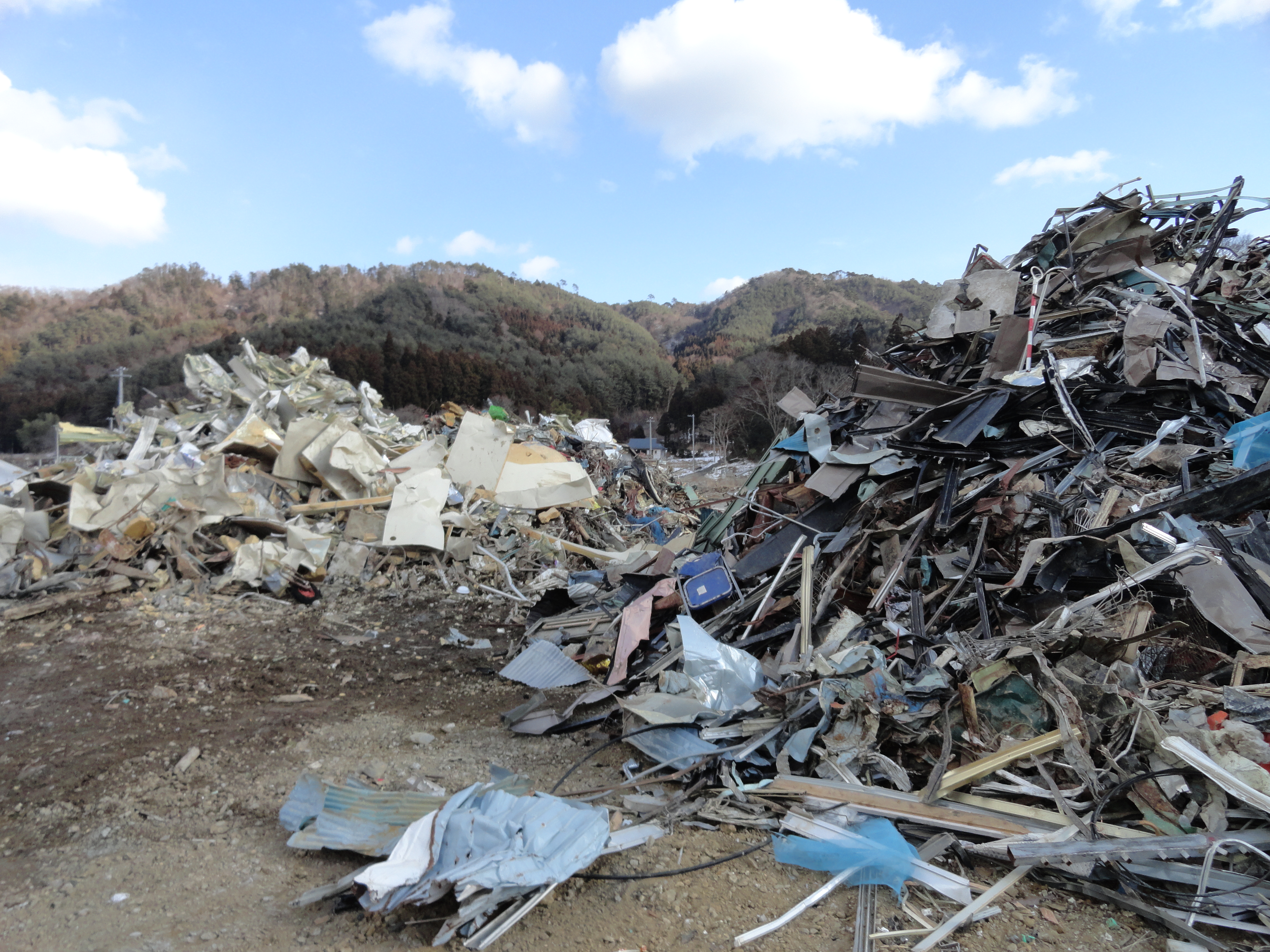
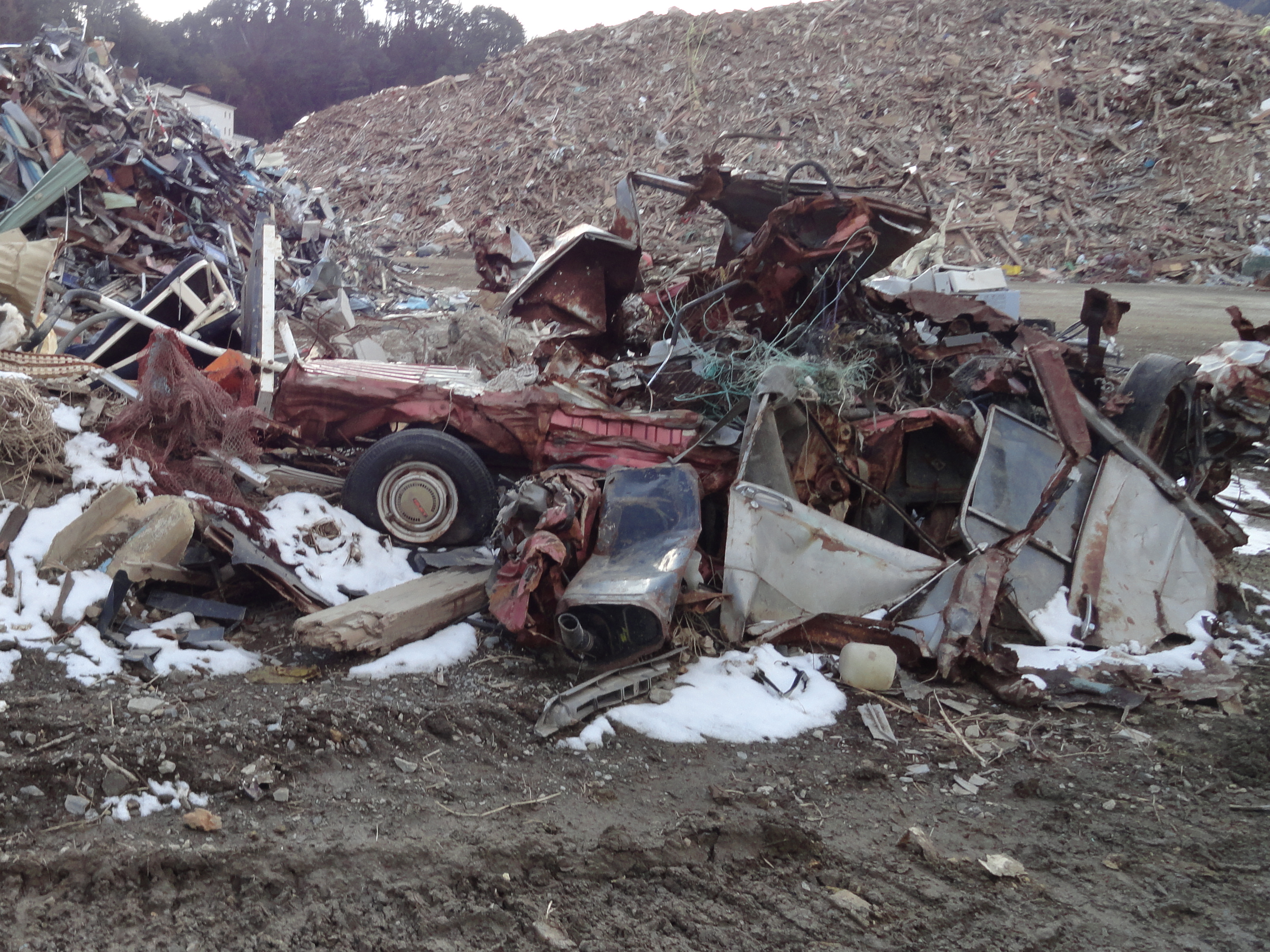
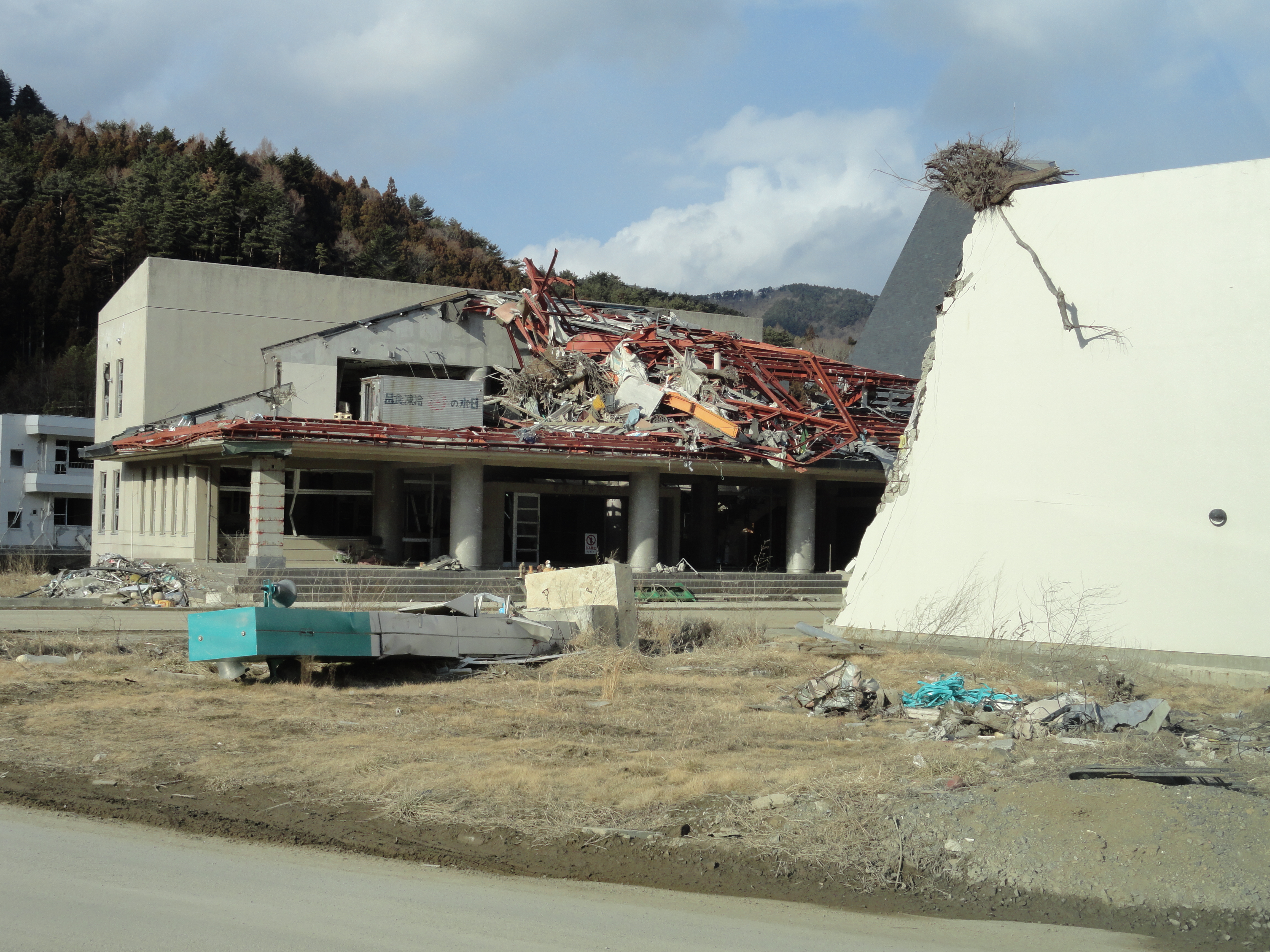
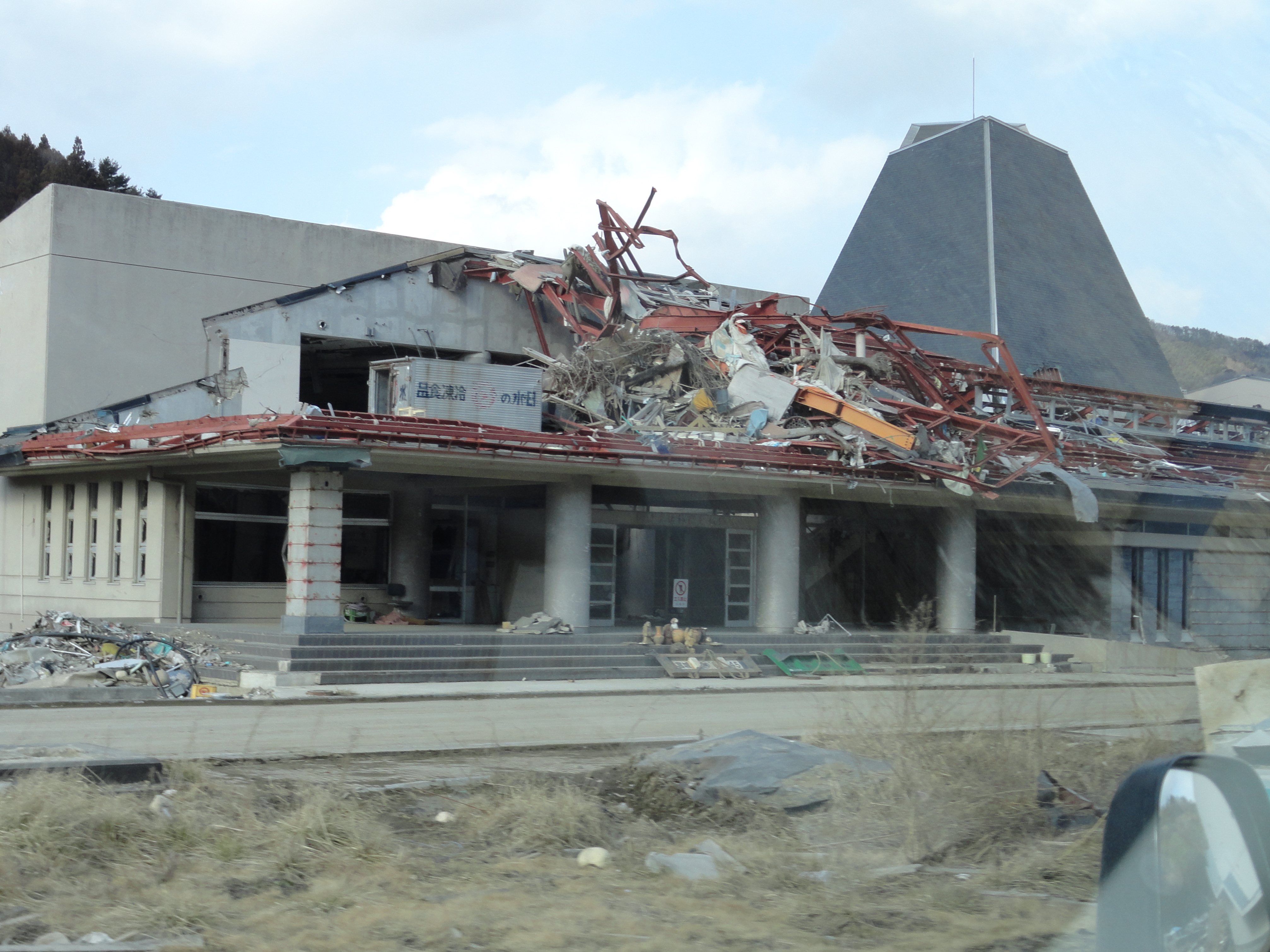
We drove for about an hour and half south, covering what may have been anywhere between 30 or 50 miles of winding coast line. I am not too certain about the distance; I was too enamored with the extent of destruction. Naturally caused carnage is one thing. We have all, in one way or another, seen it or experienced it. Hurricane Katrina in 2005 and the tornado in Joplin, Missouri in 2011 are some recent examples. Carnage– the displacement of people from their homes, the loss of life, the destruction of buildings, bridges, and things– is unfortunately not that uncommon anymore. However, the wide scale on which the March 11, 2011 tsunami in Japan wiped out not just Ishinomaki, but an entire coastline of communities and villages. For my friends and family in California, the greatest equivalent that I can give is taking a drive down the Pacific Coast Highway (PCH) between Newport Beach in Orange Country and Carpinteria State Beach in Ventura County and imagining that everything in between is gone. The people of Japan along the north-eastern coastline suffered in ways that stir the Steven King-side of the imagination; especially when you stand next to a building that was uprooted like a weed and rolled up a hill, or you see a bus that was picked up and set down on top of the roof of a second story building, or concrete foundation after concrete foundation that indicated where a neighborhood once stood, or a mountain of wreckage that was once an entire town.
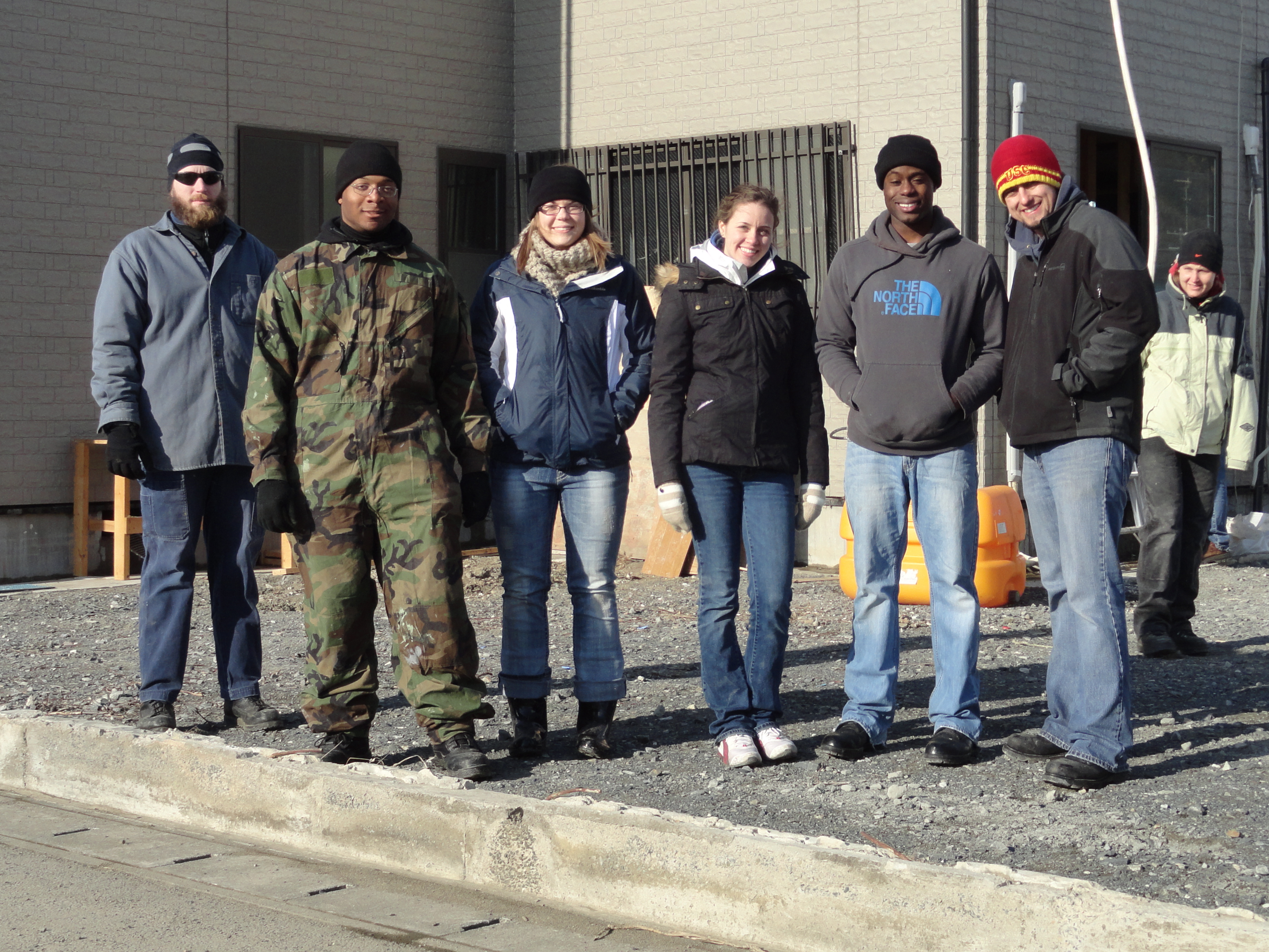
I was glad to of had the opportunity to travel north with the Lighthouse Ministry and offer, if only for two brief days, my effort towards relieving the struggles and stress of the Tohoku people in Ishinomaki. Without a doubt, food, aid, council, and condolence are what the people in this coastal region still need. But it seems to me that while the international efforts of groups like Samaritan’s Purse continue, the needs of the Japanese are the not the only ones being met. What I mean is this: as we were busy cleaning the homes of a few families from Ishinomaki, it felt like we were somehow simultaneously cleaning pieces of ourselves as well– those pieces that so easily get carried away in the currents of everyday life. The ones that we often forget to take off the shelf and use because we are so focused on our own problems, struggles, and strife. There were 13 of us on a relief effort, but what a relief it was to see others taking one step closer to regaining a healthy and happy life. And I think it goes without saying that we all want nothing more than a healthy and happy life.
















One last thought:
I think I speak for those that were helped and for those that would like to help but for various reasons can not: thank you to Eric and Rachel Vaught, Yukie Ida, Tim Miller, Krista Stelzner, John Bullington, Jesse Eriksen, Tony Huynh, Collins Collins, Natalie Wahl, Kevin Miller, and Jim Bowden for a weekend well spent in Japan, in relief, and in an effort that is above and beyond ourselves.


 Shinnformation Station
Leave a comment