
I originally wrote this for The Roadless Travel Blog on December 12, 2011. Summiting Mount Fuji in August 2011 was, and still is, one the best hikes I’ve had the pleasure of experiencing.
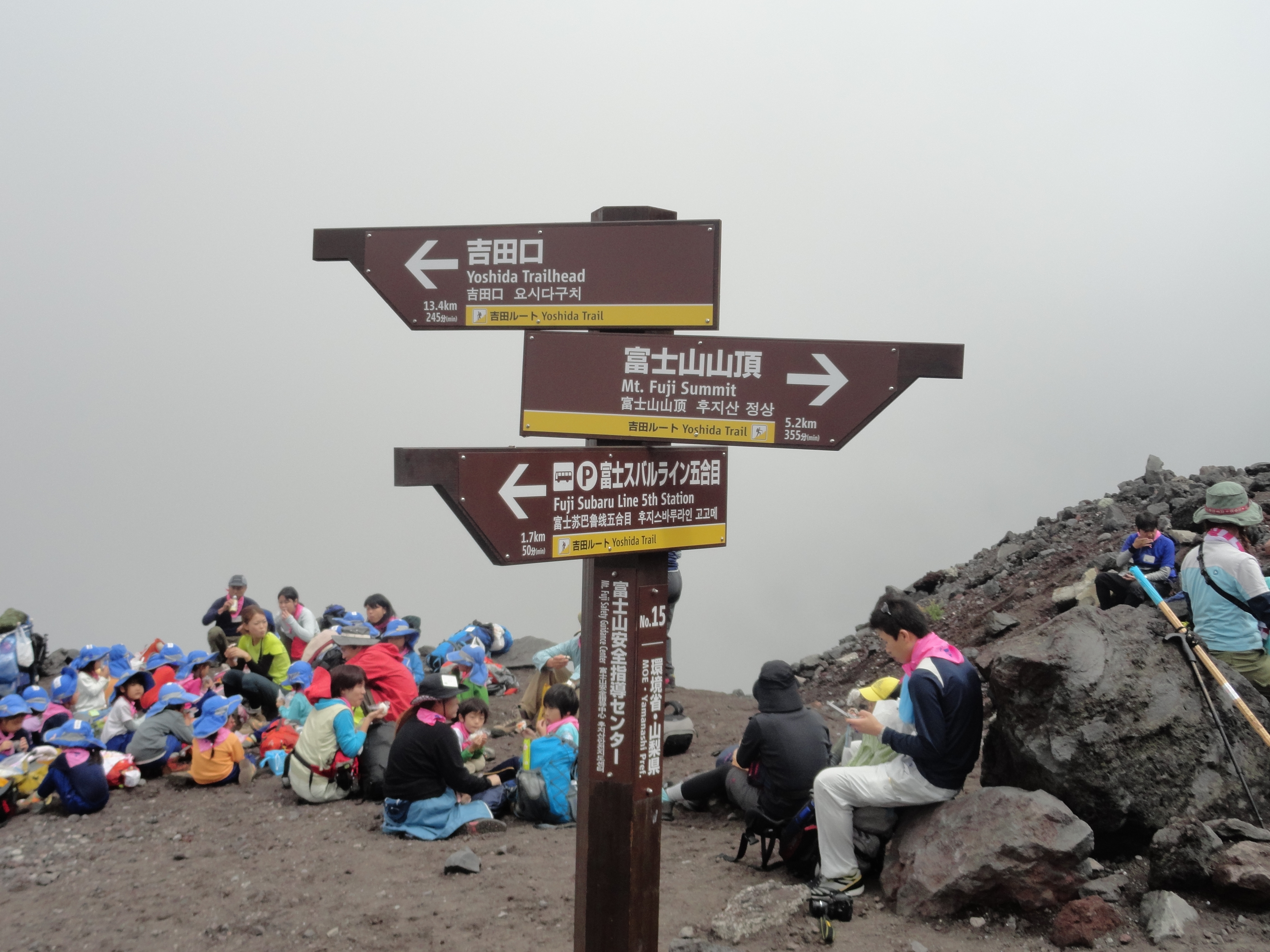
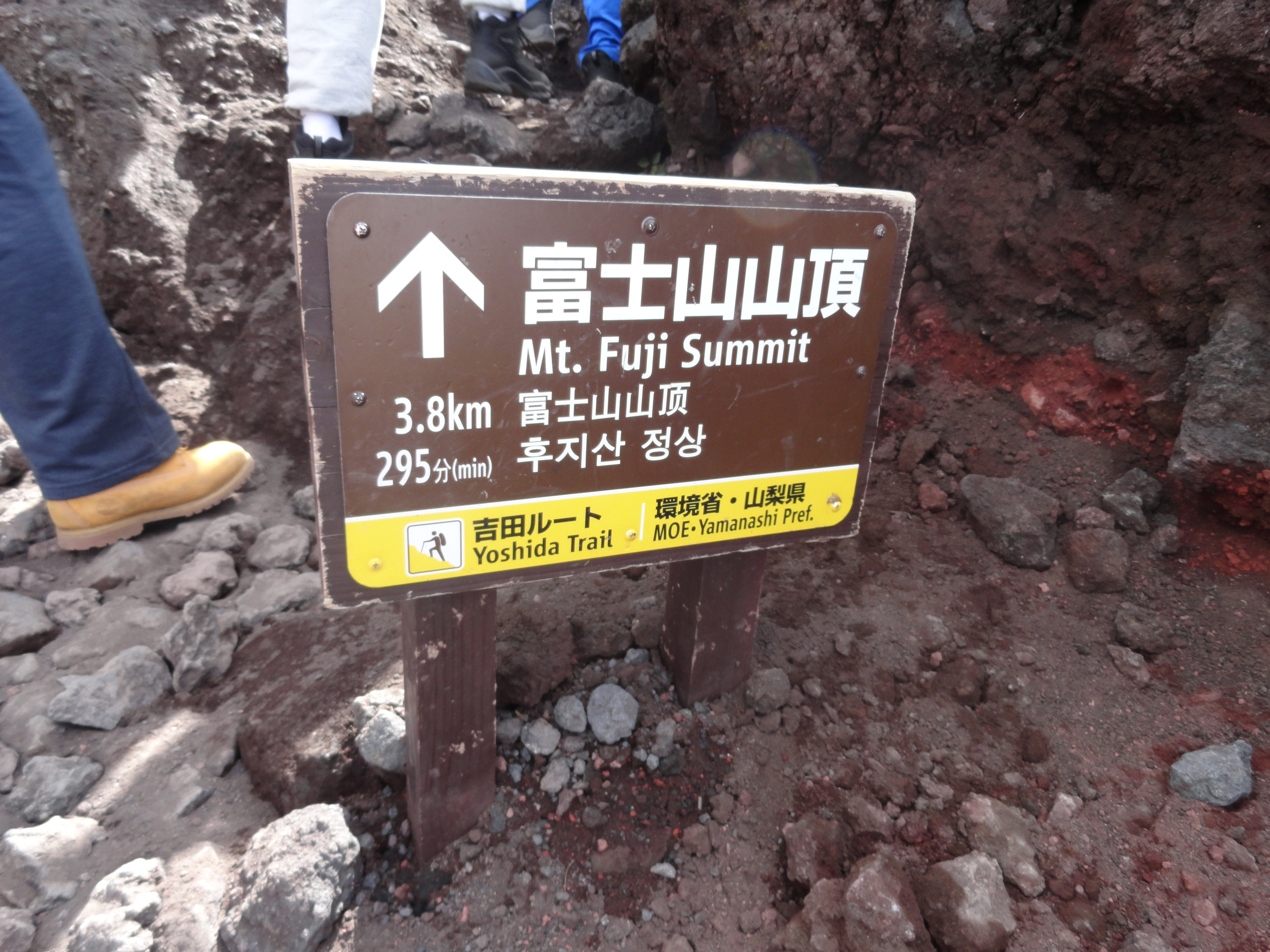
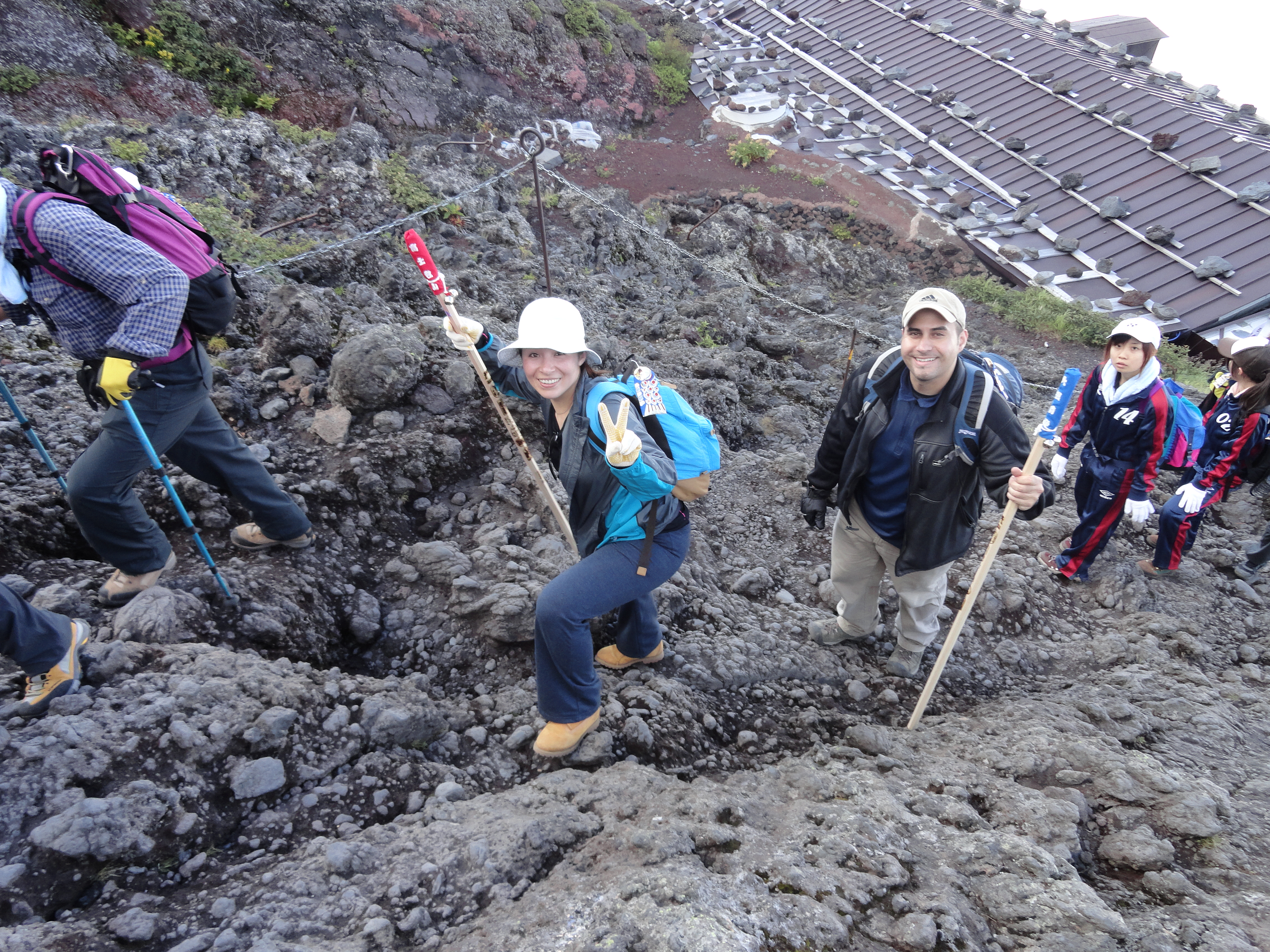
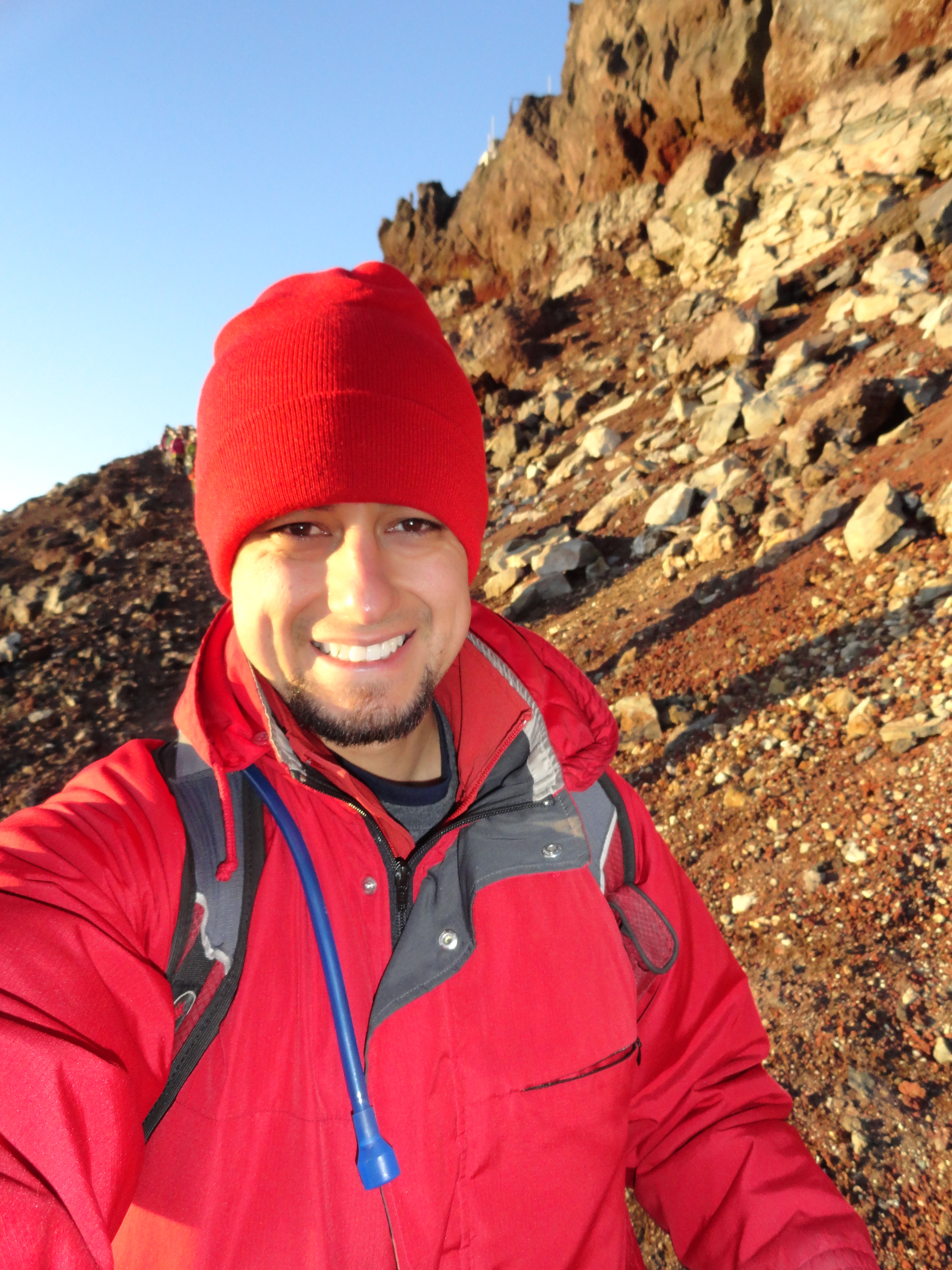
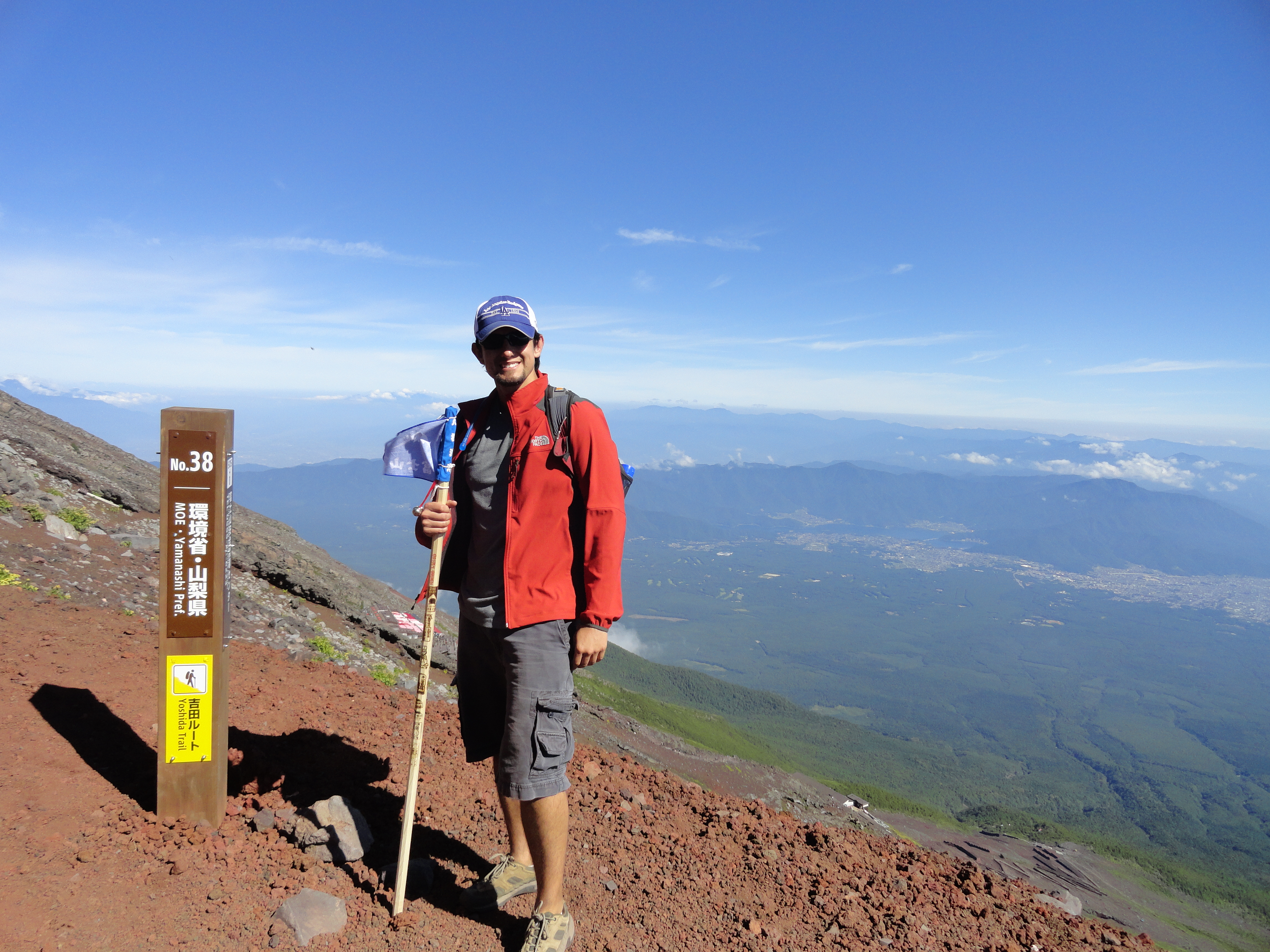
The day after the incident with John and my first Ambulance ride, Azel, my boss while I am out to sea, my roommate, and friend; ;Atzel’s girlfriend, Machiko; and I set out for a hike of the famous Mt. Fuji in Fujiyoshida, Japan. Mt. Fuji is the tallest mountain in Japan at 3776 meters or 12,388 feet tall. It is about 5 hours north of where Yokosuka is; thus, we had to take a 30 minute train ride to get on a bus for another 4.5 hours. All indicators for the trip: the current heat and humidity, the people preparing me for the trip, and other Americans that I saw on their way to the mountain were all saying to dress for cool weather. So I wore shorts, brought an extra shirt, a light jacket, and a pair of light cotton gloves. Once I got off of the bus at the Yoshida-guchi 5th Station, however, I knew I was in for more than I had prepared for, and we were only at about 1500 meters, or 4,921 feet. It was already cold, cloudy, and all 100’s of Japanese climbers preparing for the trip were prepped and packed like they were about to scale Mt. Everest, and I still had almost 7,500 feet to climb. So what did I do? I bought a beenie, a Japanese walking stick (that you get stamps burned into at the various stages of the hike), hoped for the best, and started hiking up the Yoshida Trail with the guided group that I was a part of at about 1:00P.M.

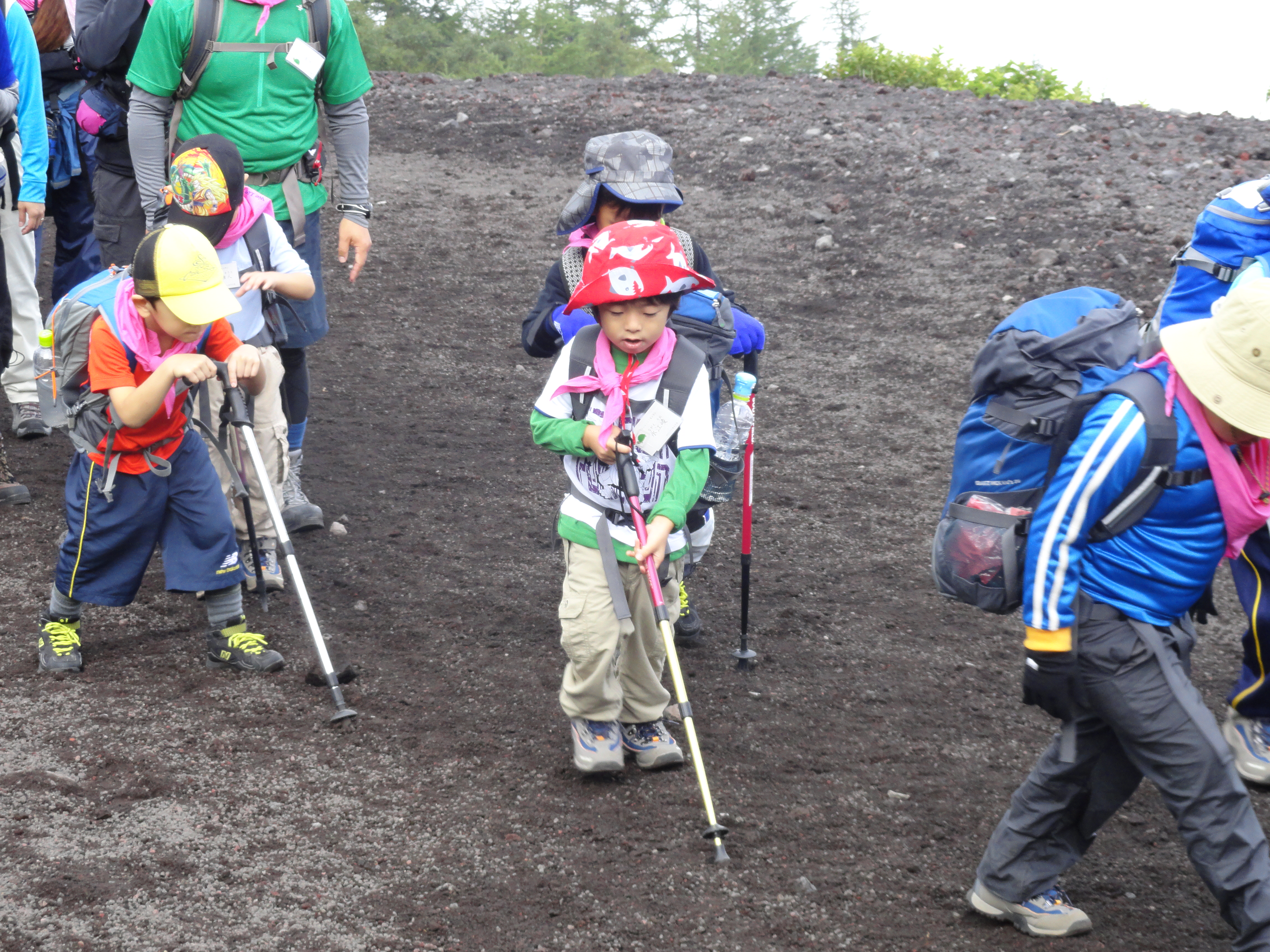
Thankfully, after about 20 minutes into the hike, the angle at which the mountain trail progresses caused me to become extremely hot and I stripped off my extra shirt and jacket and was down to only the clothes I wore. At this point, I thought I was going to be alright. We continued hiking, but the guide that we were with was going at an extremely slow pace, so slow in fact that a troop of Japanese girl scouts passed us up on the trail (I’m not joking, I have pictures to prove it). Well, if you know anything about me, you know that this did not sit well with either me or Atzel. Not only were Japanese girl scouts passing us, but old men and other groups. And what made it worse, we kept stopping every 20 minutes. We wanted to get moving. I heard that this hike took 7 hours, and I thought we could do it in less time, so in an effort to pull our group along, I tried to go up ahead of the guide and intermittently look back as if to say, “let’s go!” This only aggravated our Japanese guide and he instructed Machiko (who speaks both Japanese and Spanish) to tell me to not go ahead of him. I begrudgingly obliged and fell in line. I would, however, find out in time how wise this young guide’s experience with this mountain was going to be the thing that pulled me though.

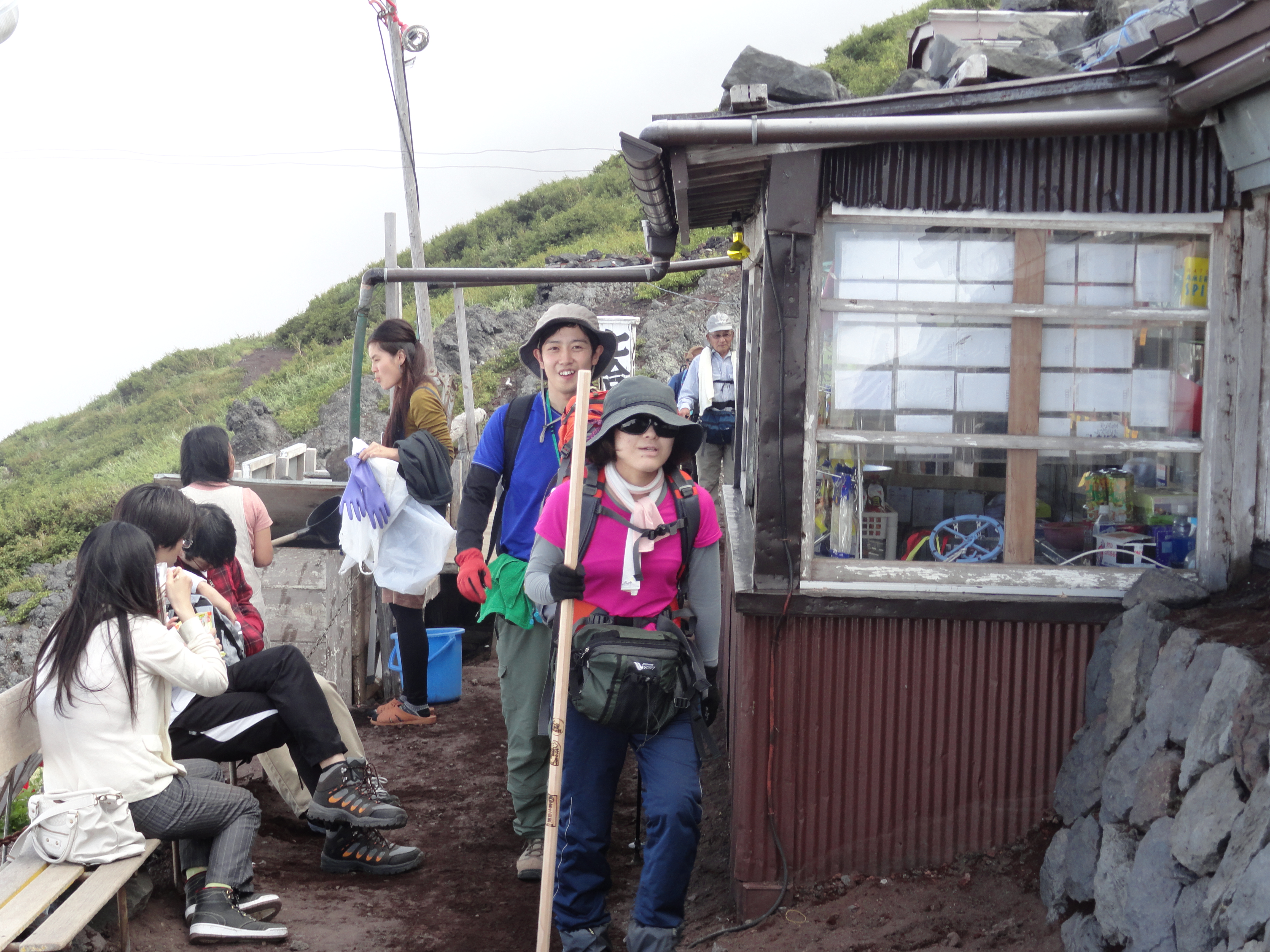
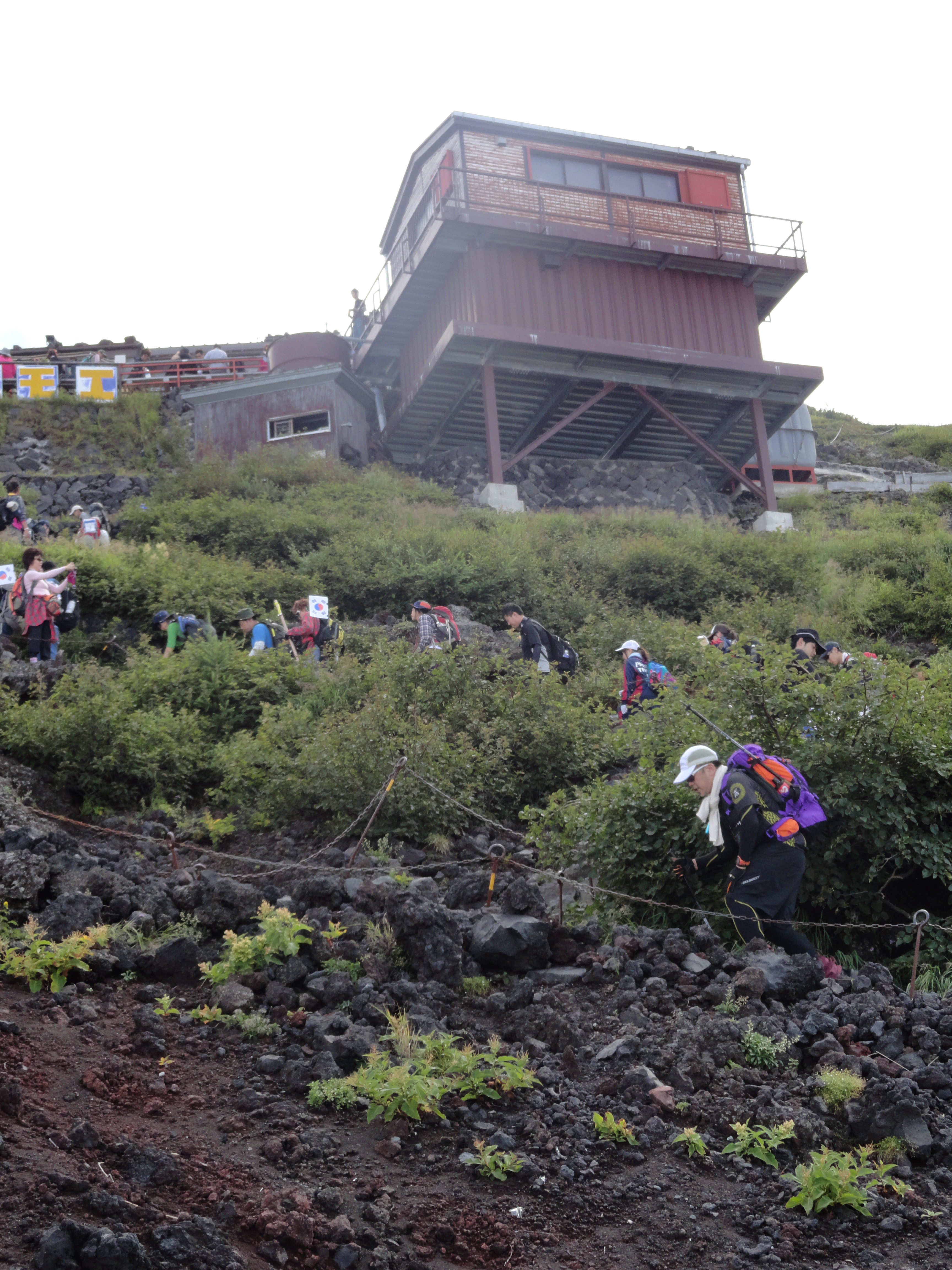
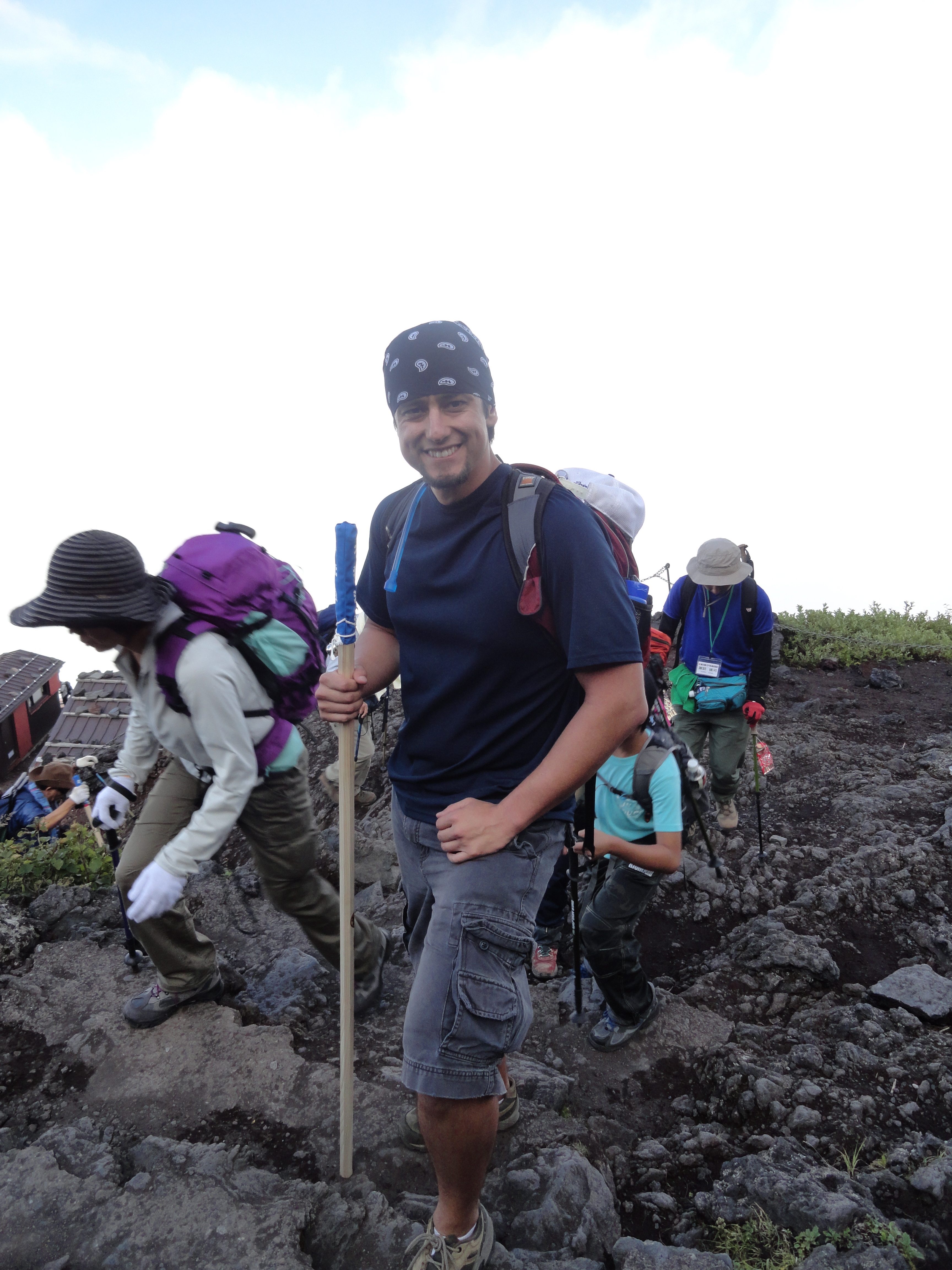
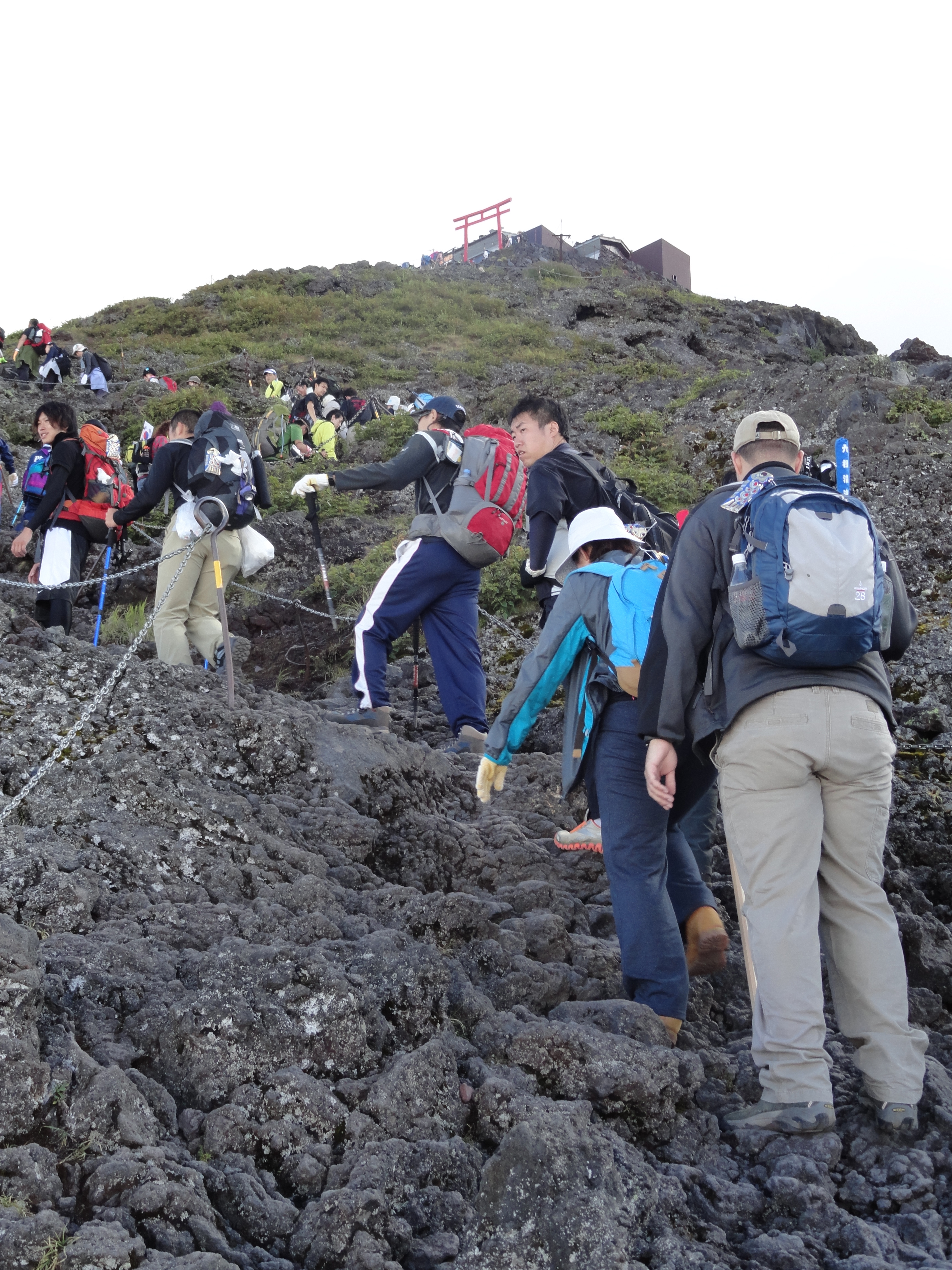
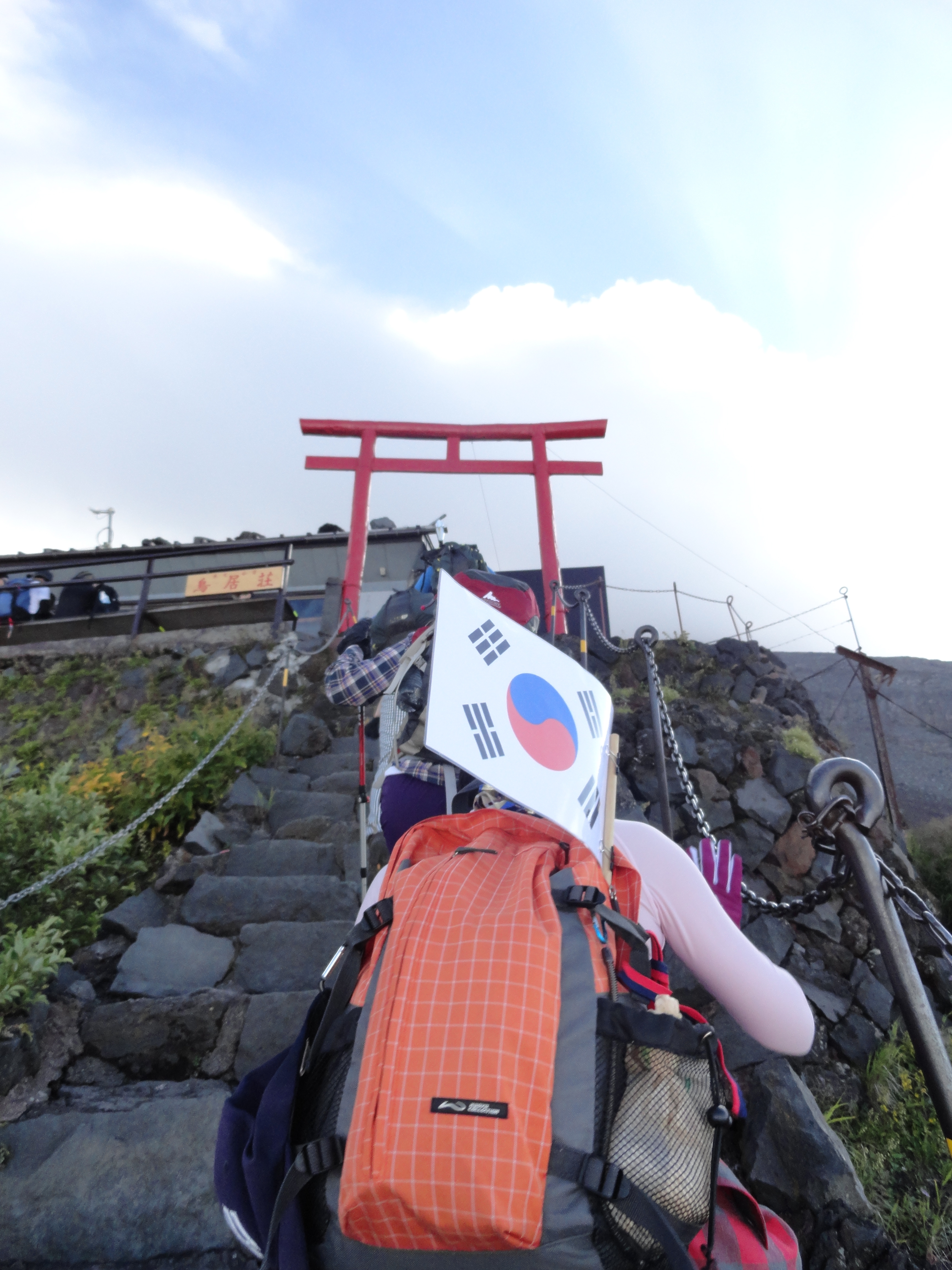
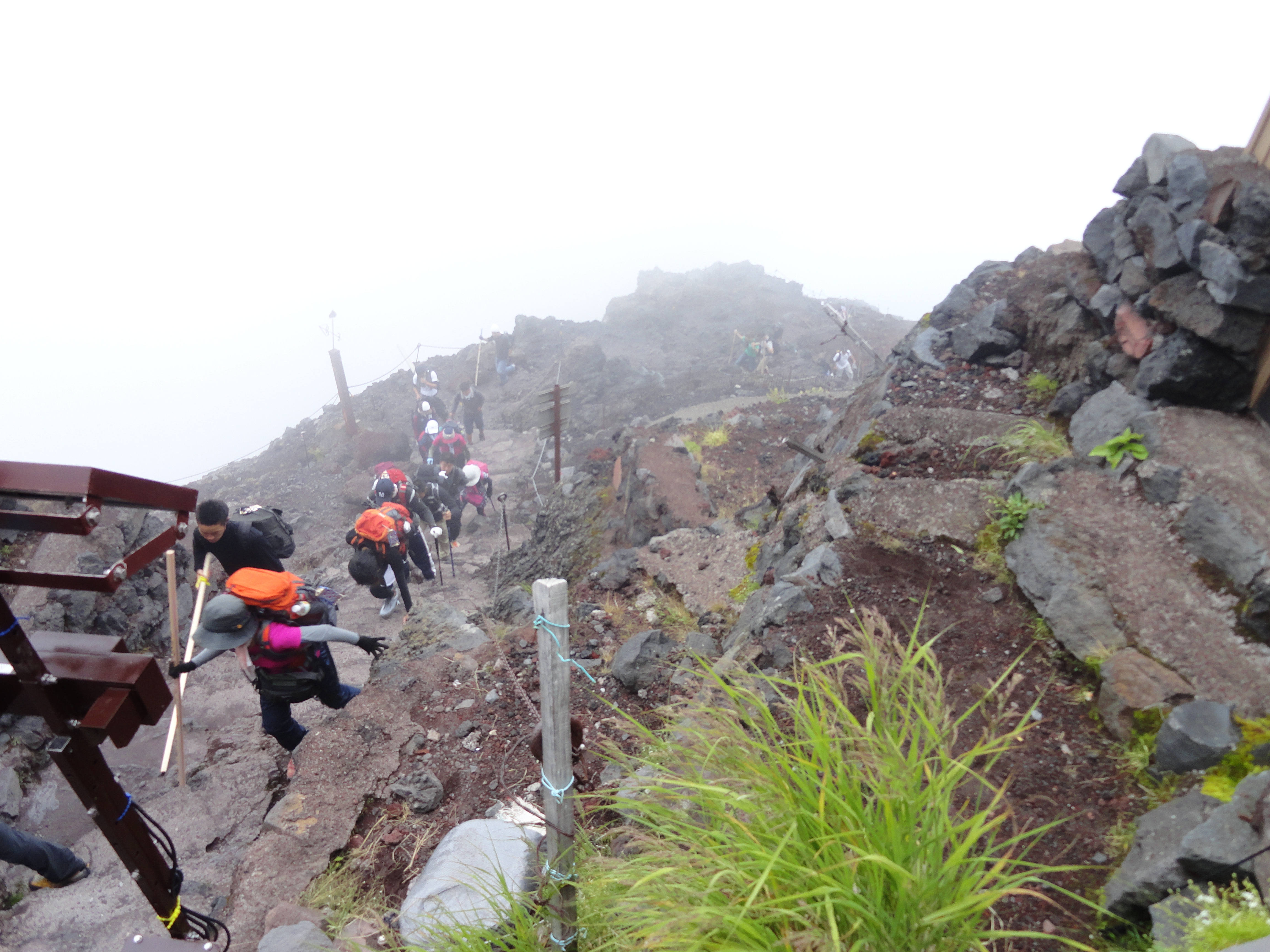
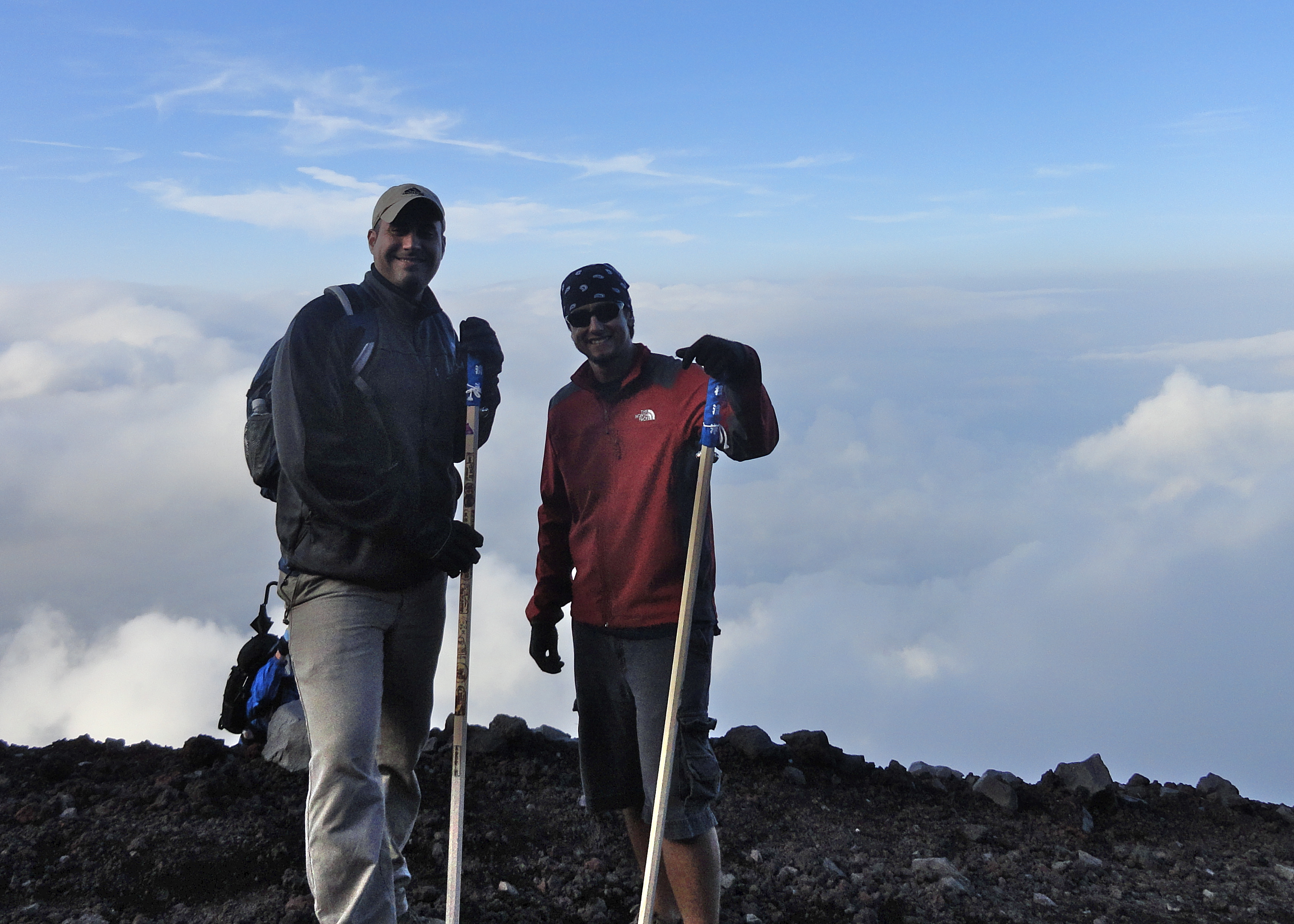
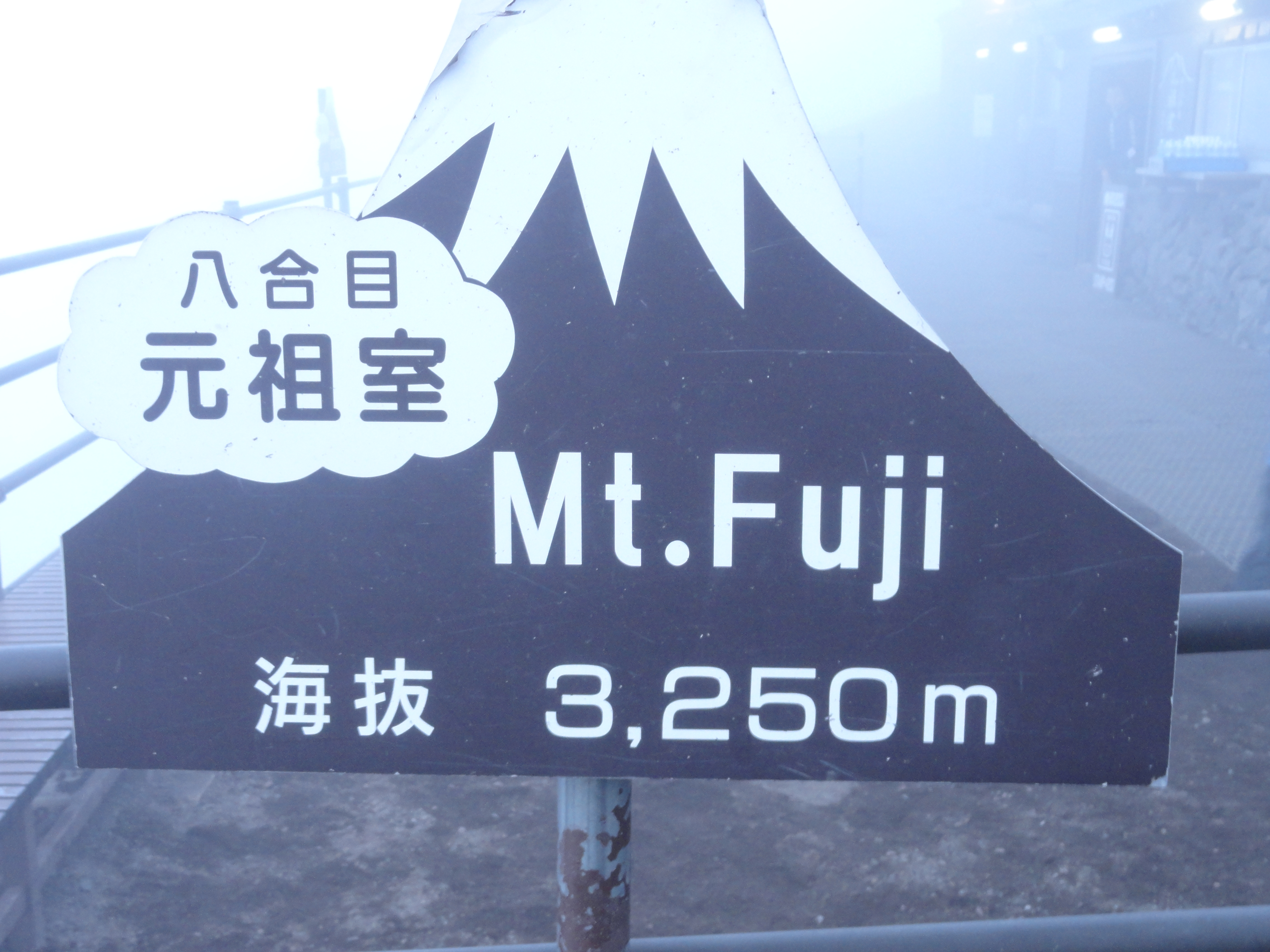
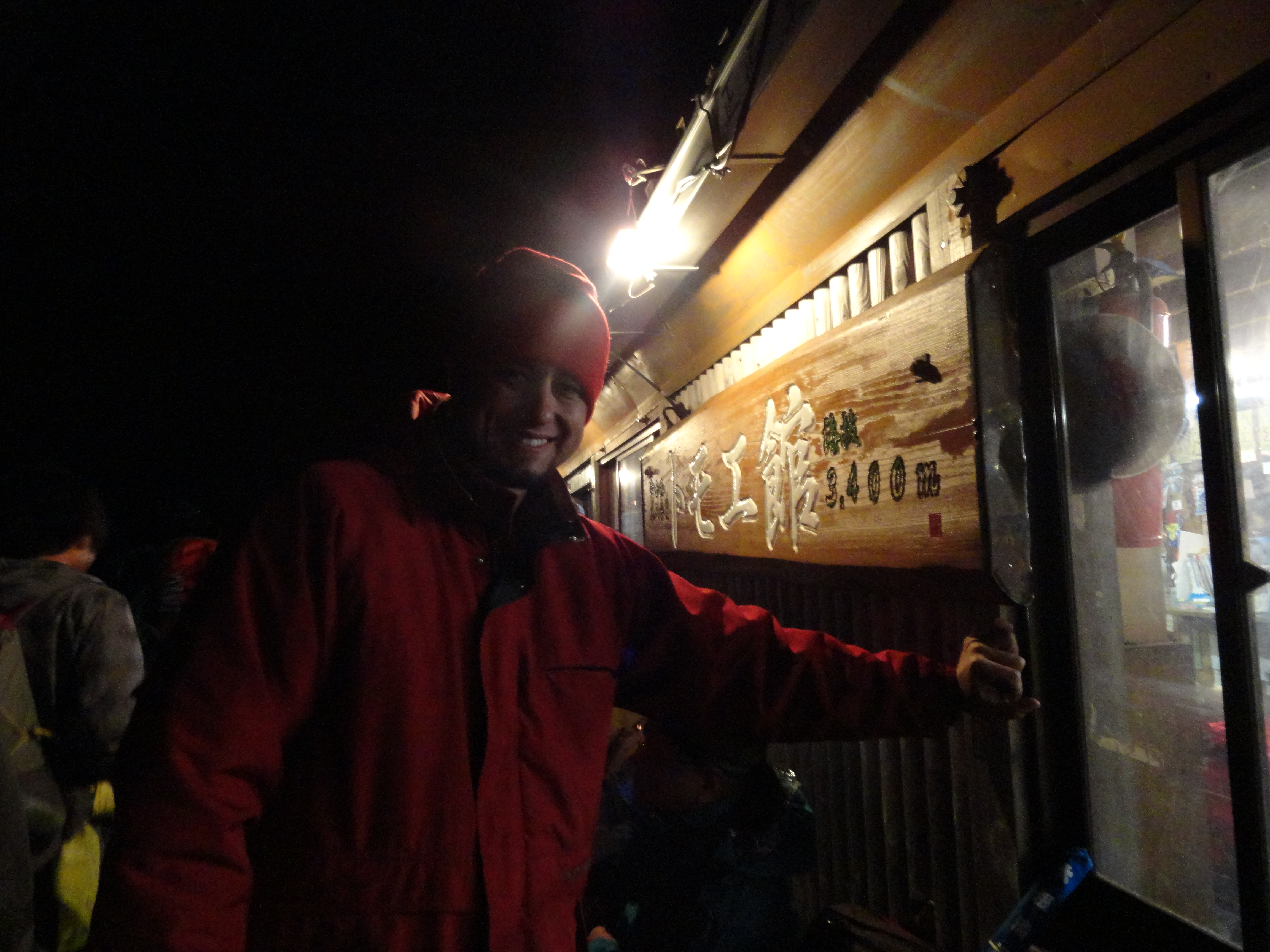
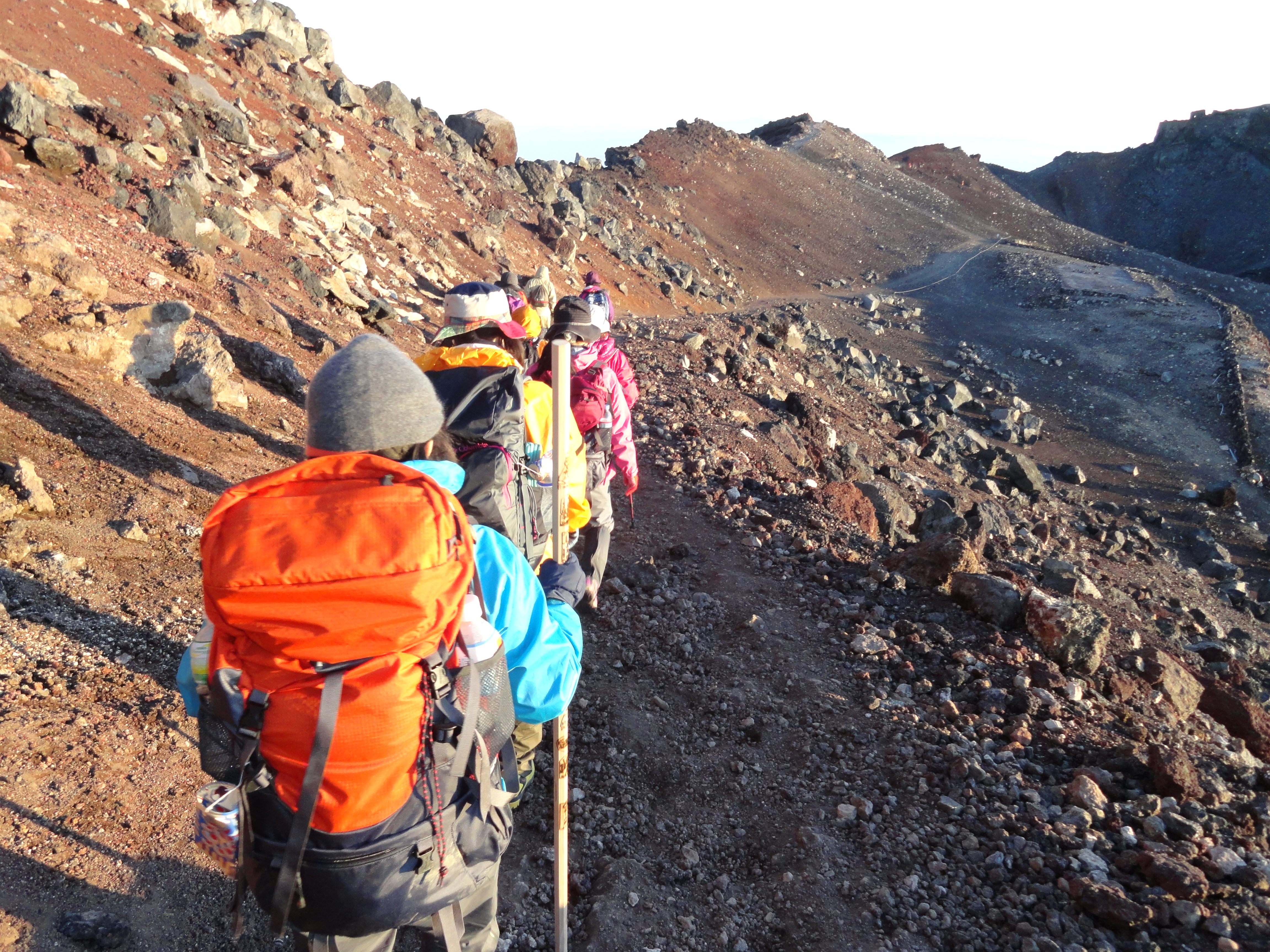
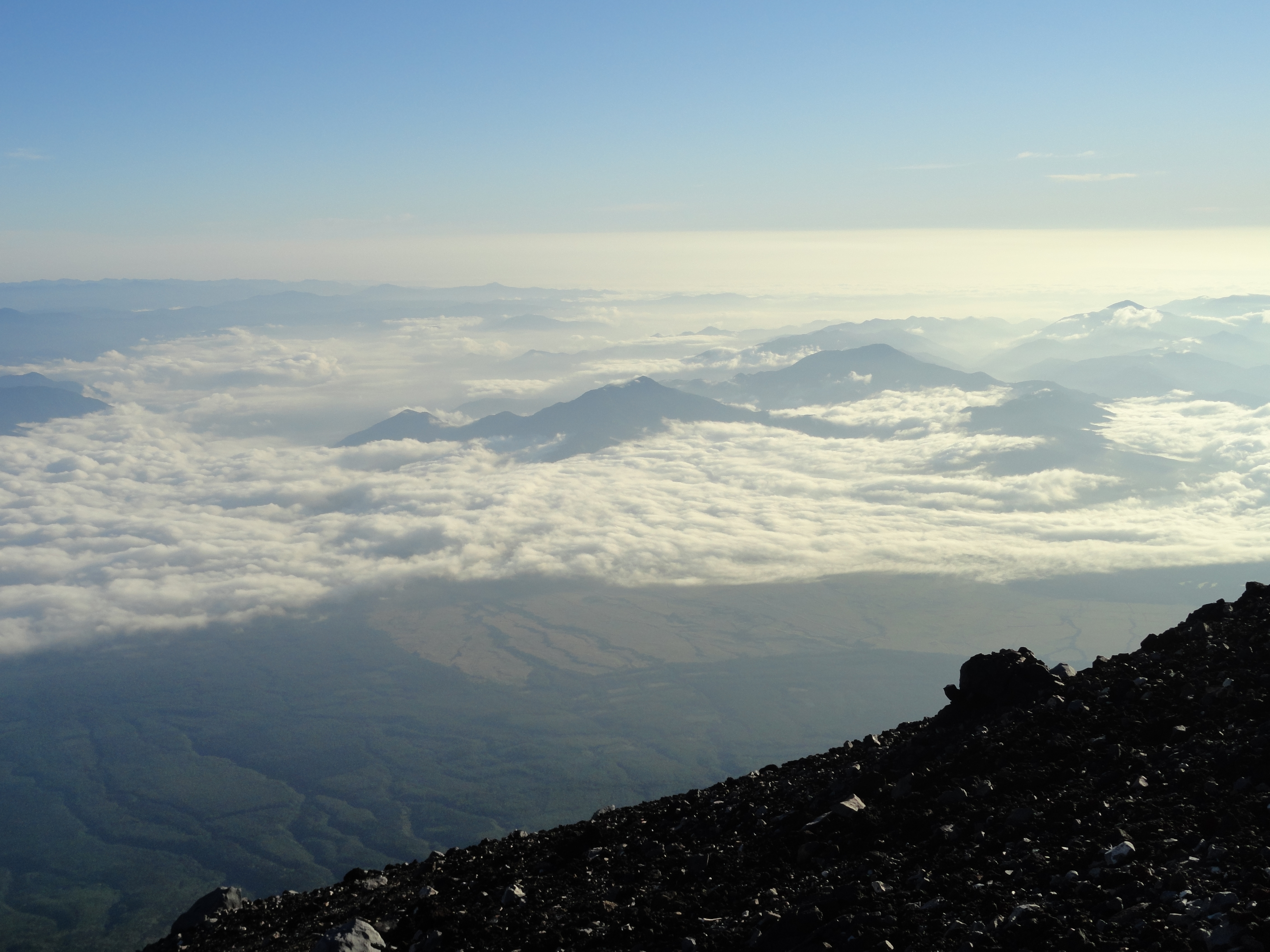
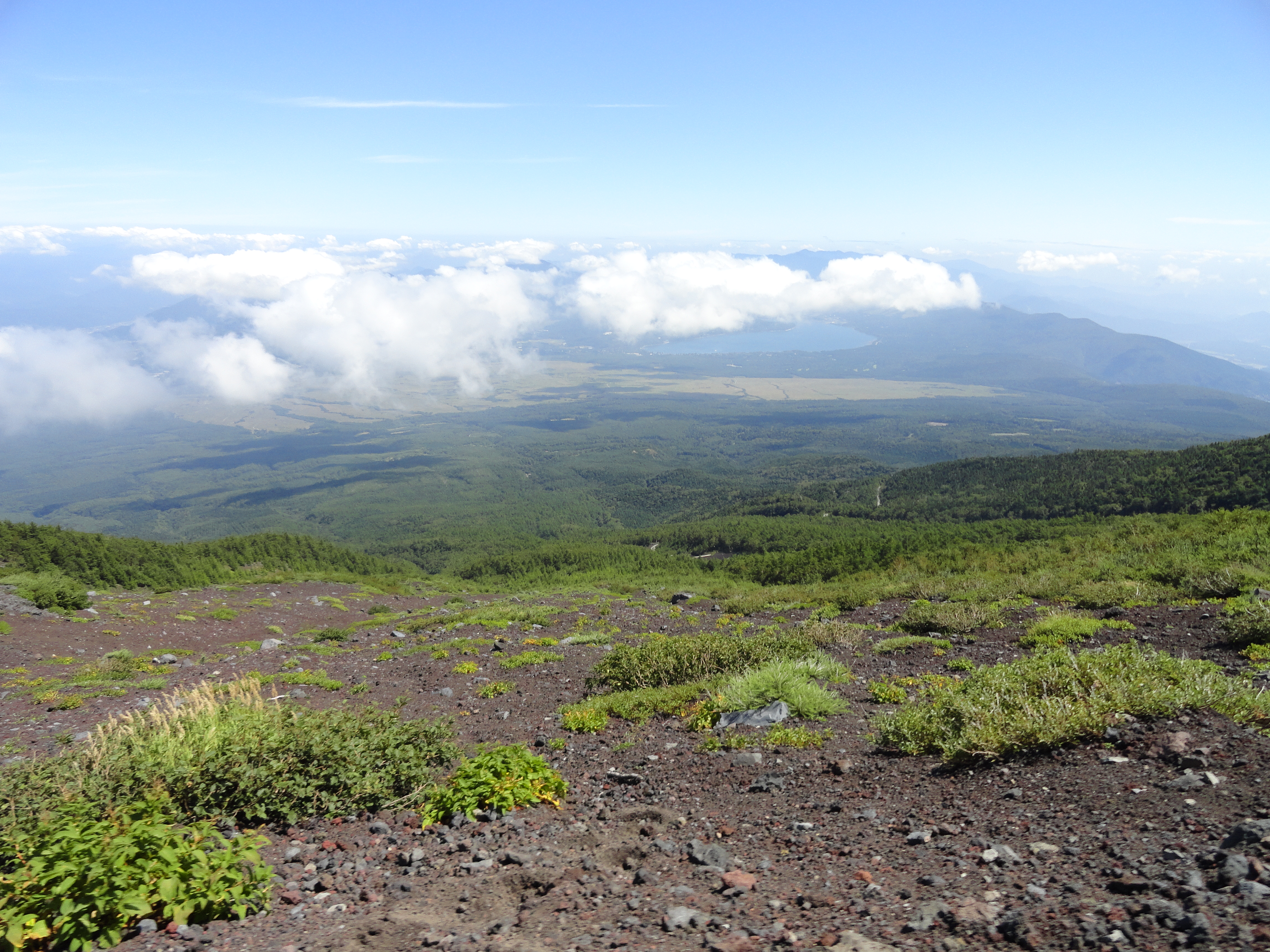
As we continued, our goal for that day was the eighth station at 3,400 meters, or 11,154 feet. We needed to climb 6,233 feet before nightfall, for it was at Station 8 that the Fujisan Hotel sits. As we climbed, the cloud clover remained a constant, but it didn’t begin to really get cold until after the 7th Station. It was also at this station, at about 8,800 feet, that the wind began to pick up and we began to climb above the cloud cover. The clouds, while blocking the sun, had also, for the most part, blocked the wind. Now was beginning to get cold. I put my second shirt, my jacket, my bandana, my beanie, and my gloves on, and I continued on. The air became increasingly crisper, but amazingly thinner. I was having to really concentrate on my breathing as we took what often felt like baby steps up the mountain. I had hiked at this elevation before, just not with this little equipment, at such an extreme pitch, and in such cold. We were still going at a snail’s pace, we were still taking breaks every 20 minutes, but now this pace seemed to be the only possible pace since the mountain trail was so exceptionally steep, the air so amazingly thin, and my heart racing the way it was. The good news, however, was that the Japanese girl scouts had given up the climb a while back. Only those dedicated to going to the top were with us at this point, but make no mistake, there were still dozens, if not hundreds, of people (mostly Japanese) taking baby steps up this mountain.

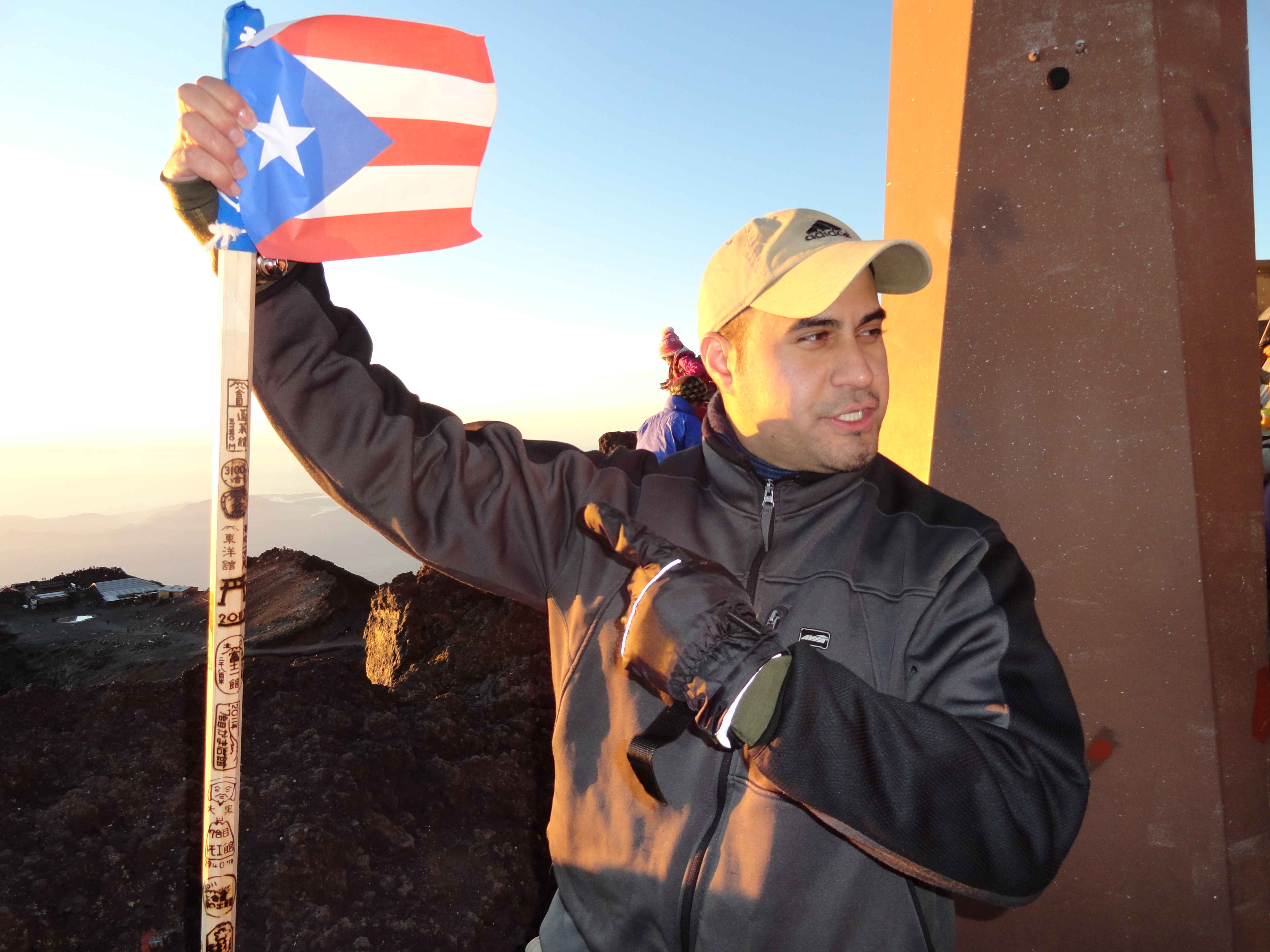
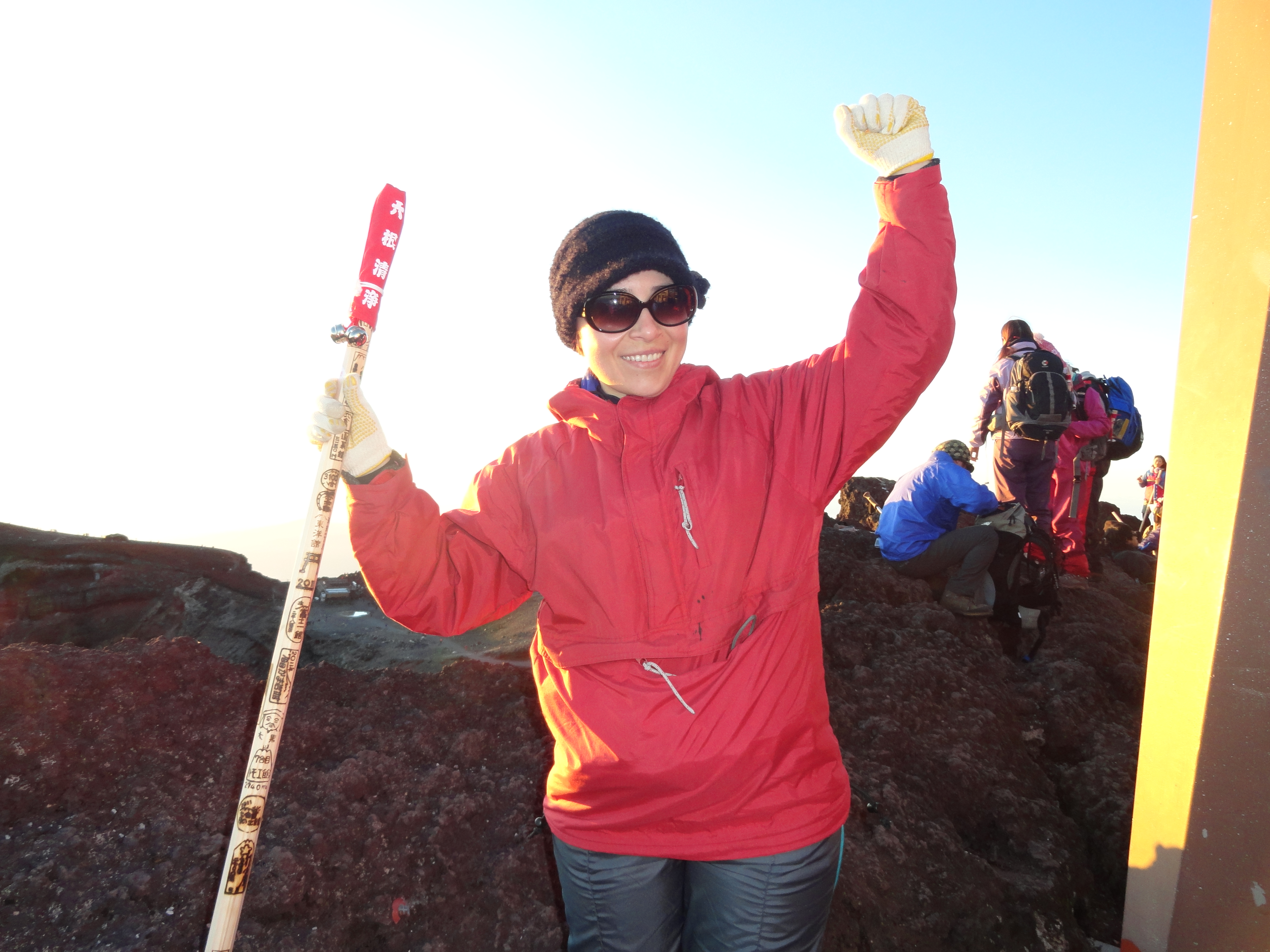
We progressed at a snail’s pace for about 4.5 hours when I was already very cold, my head was now throbbing, I was extremely hungry, and my back was killing me on account of me not having a hiking backpack, but my simple school backpack. We were still about an hour away from the 8th Station, but I kept myself going (mainly because the pace that the guide had set was pure wisdom, and I was told that a hot plate of Japanese curry with rice was waiting for me at the hotel). Along the way I started talking to Hideo Suzuki, a 60-year-old Japanese man who learned English as “a hobby.” This was his fifth time (in five years) that he had scaled Mt. Fuji. He did it as a test “for his health.” He was an extremely nice man who, after our hike was all said and done, gave me his contact information in case I ever needed any help in Japan. Needless to say, Suzuki-san was also a source of inspiration for me, because if a 60-year-old man who learns foreign languages as a hobby and hikes giant mountains as a personal test could do this, I sure as hell could– even if he was obviously better equipped than I was. So, we pushed on. Every now and then we would stop at a station, or a resting point, and I would pay 200 yen to get my walking stick emblazoned with a stamped indicating I had made it this far. My stick was starting to fill up with stamps, and I began to feel a sense of pride.
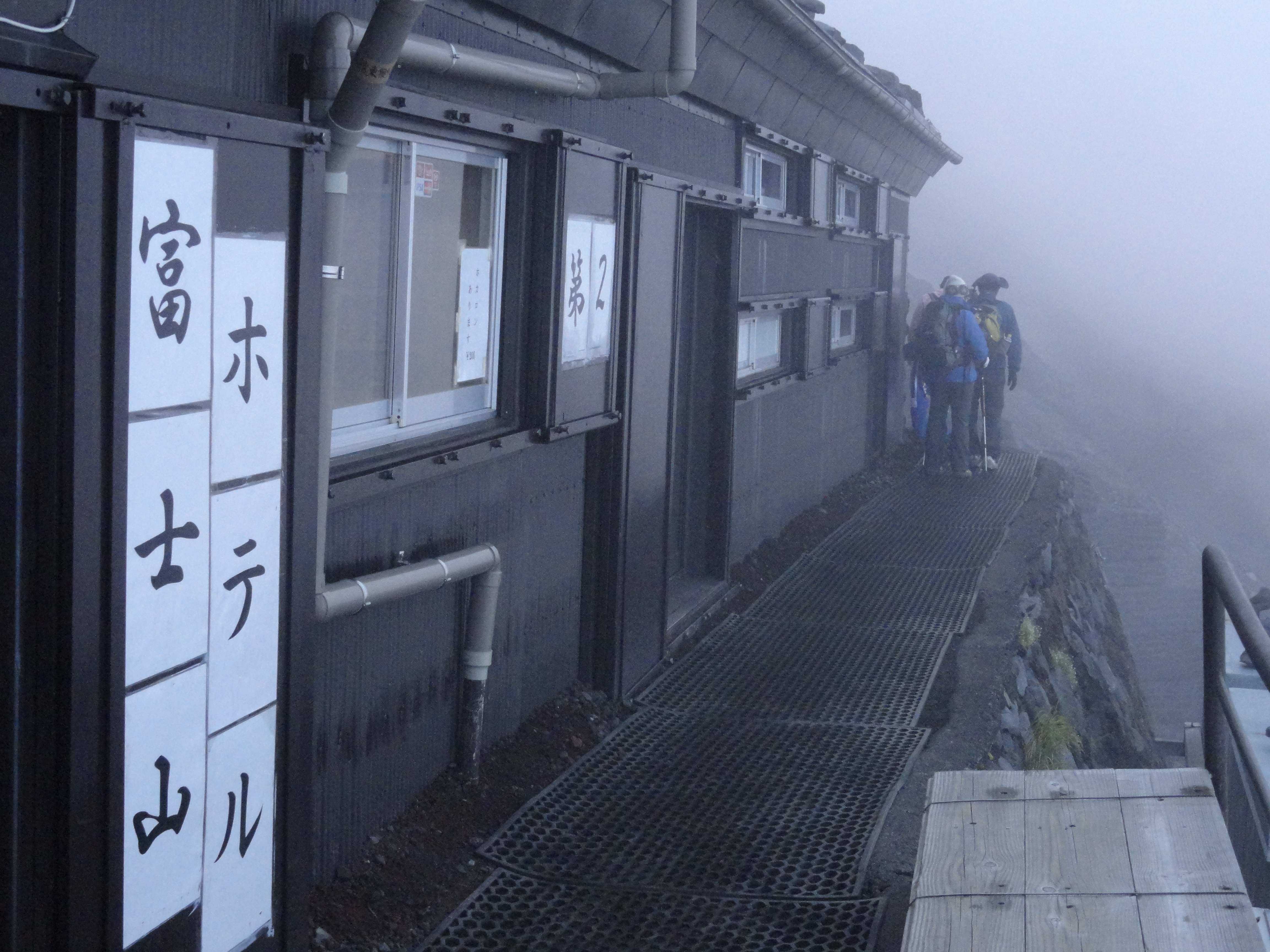
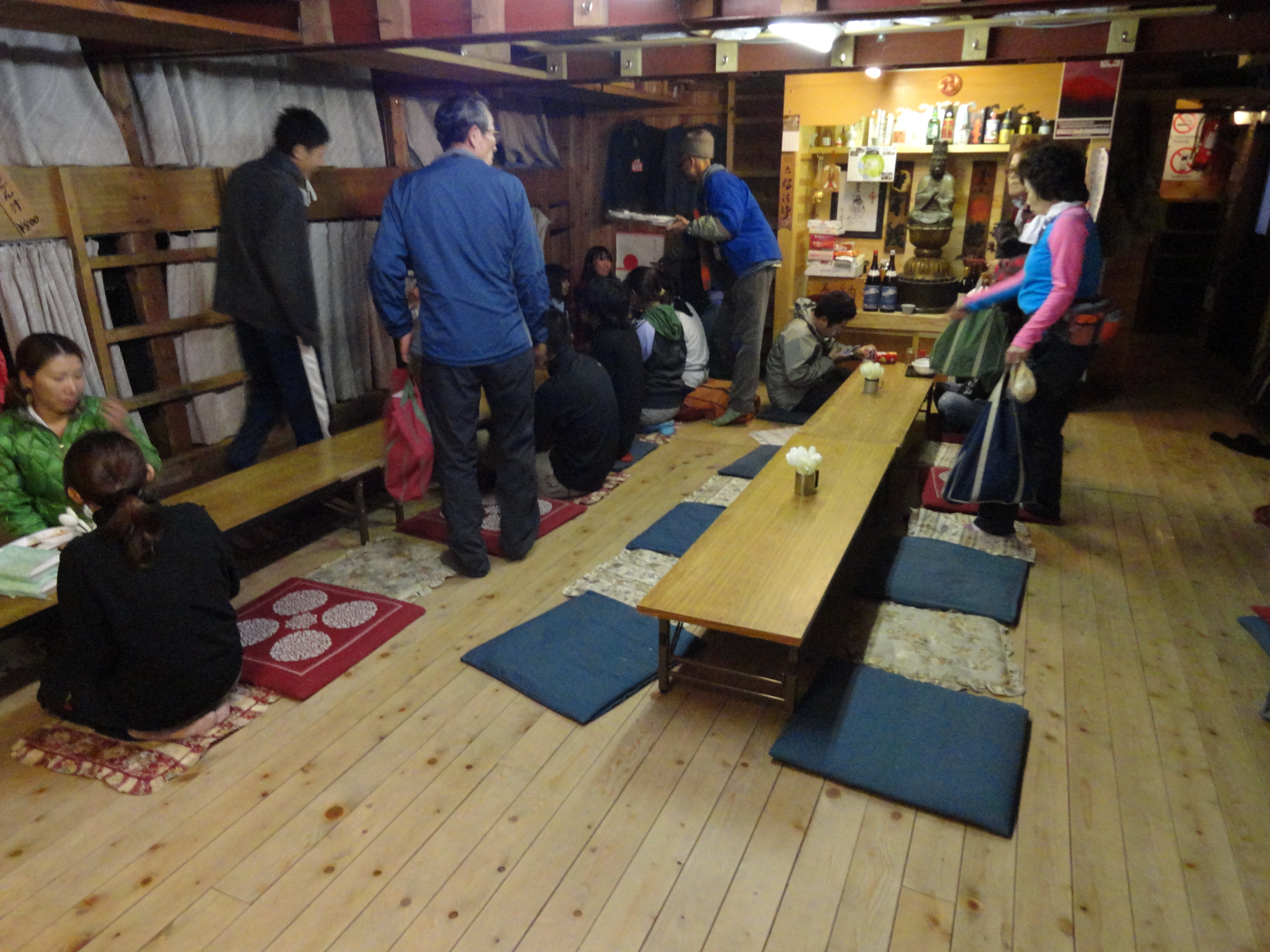
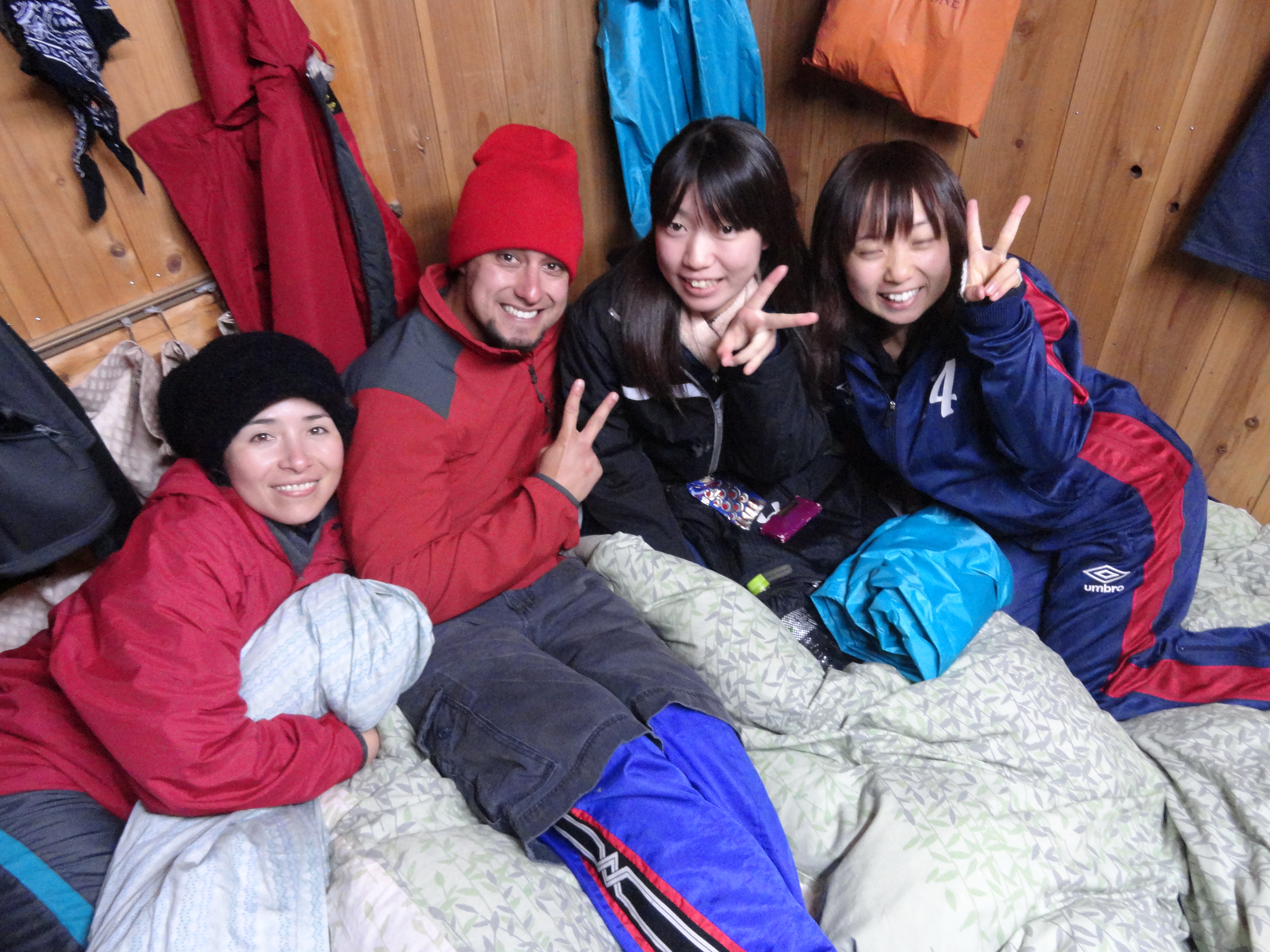
We finally made it to the 8th station at 6:30P.M. It took us 5.5 hours to ascend the craggy and often desolate 6,233 feet, and I was sure glad to sit in my socks on the hard wood floor of the hotel’s communal dinning room to eat that hot plate to Japanese curry and drink that hot cup of green tea. Now, I should pause to note that when I say “hotel,” I merely call it that because that is what the Japanese call it, but it should more accurately be called a mountain hut. The communal dinning hall doubled as the store, a storage room, a bedroom, and the kitchen. It was just the biggest room they had that could facilitate 20 weary hikers. And our sleeping quarters was no “hotel.” It was a 20 X 20 hut that I couldn’t stand up in because it was only 5 feet tall. There was no furniture, just a bunch of Japanese Tatami mats and thick blankets on the floor that 10 of us had to share. We were essentially all going to huddle up in a wooden tent. But I am not complaining, on the contrary, given the fact that the sun had gone down during dinner, the winds had picked up, and the temperature must have dropped another 20 degrees, I was more than happy to see a warm bed waiting for me in such an inhospitable environment. After dinner I was told that I could rent some warmer clothes if I wanted. Given the fact that we were all going to wake up at 1:00A.M., in the cold, so we could hike the remaining two hours to the top in order to catch the morning sunrise, I promptly rented a thick winter jacket and some snow pants, both for 1000 Yen. I would learn in the morning that that was money very well spent.
I went to bed in our hut at about 7:30 P.M., and it must have taken me all but 5 minutes to fall asleep. Unfortunately, I woke up at 10:30 P.M. with a throbbing head ache, overheated, and the feeling like I was going to throw up. This was not a place that I wanted to get sick. What’s more, I didn’t want to end up taking my second ride in a Japanese ambulance. So I went outside to get some fresh air and try to hydrate myself. I also tried to vomit, thinking that if I did, I would feel better, but to no avail. I simply stood under on the edge of a midnight mountain cliff, breathed in the frigid air, stared at the millions of twinkling stars, and prayed God would help me recover so I could make it up and then off of this mountain. I then went back to bed. I was able to get another hour of sleep before we all had to wake up and start our accent to the top. Thankfully, the prayer and the one extra hour of sleep that I got helped me to feel somewhat better. I was determined to make it to the top.
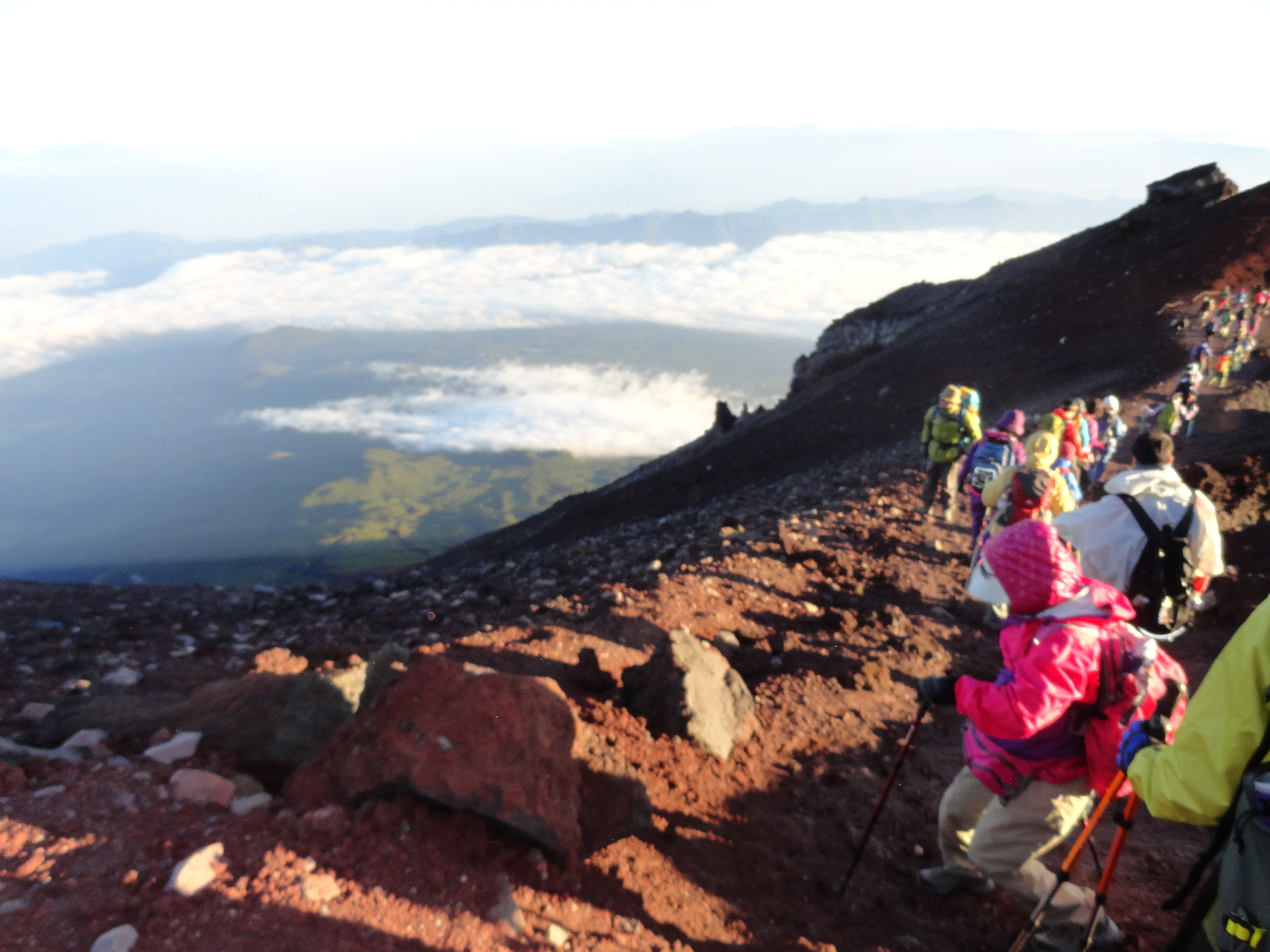
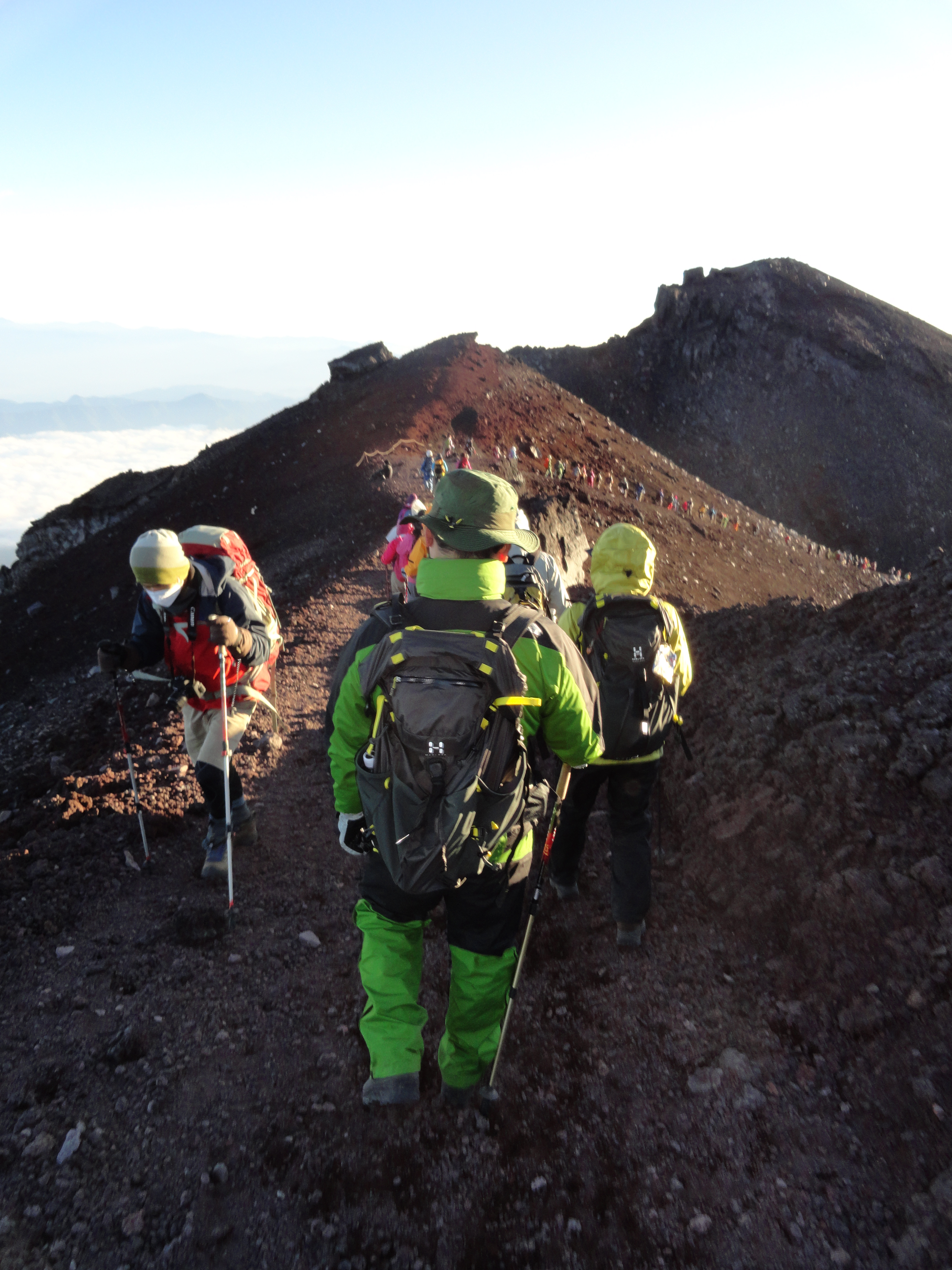
We began our midnight hike to the top of Fuji, and this time the pace was even slower than before. But again this was pure wisdom because the pitch of the mountain we even more extreme, we were moving in the dark, and the volcanic dirt that makes up the mountain side was often sandy and difficult to gain solid footing in. It didn’t take long before I again started to have some extreme pain in my back (on account of the angle in which we had to climb and my backpack), my head was throbbing, and I had to really concentrate on my breathing. These next 2 hours up the remaining 1,233 feet were to be some of the most difficult hiking feet that I would ever climb. Each step was truly a task. I just kept telling myself that every mountain gets climbed one step at a time. Thus, I would just put my head down and step. I followed the steps of the guide in front of me and occasionally I would look down the mountain. For what must have been 3,000 feet down the mountain trail, nothing but a long train of head lamps could be seen. This was truly a communal experience.
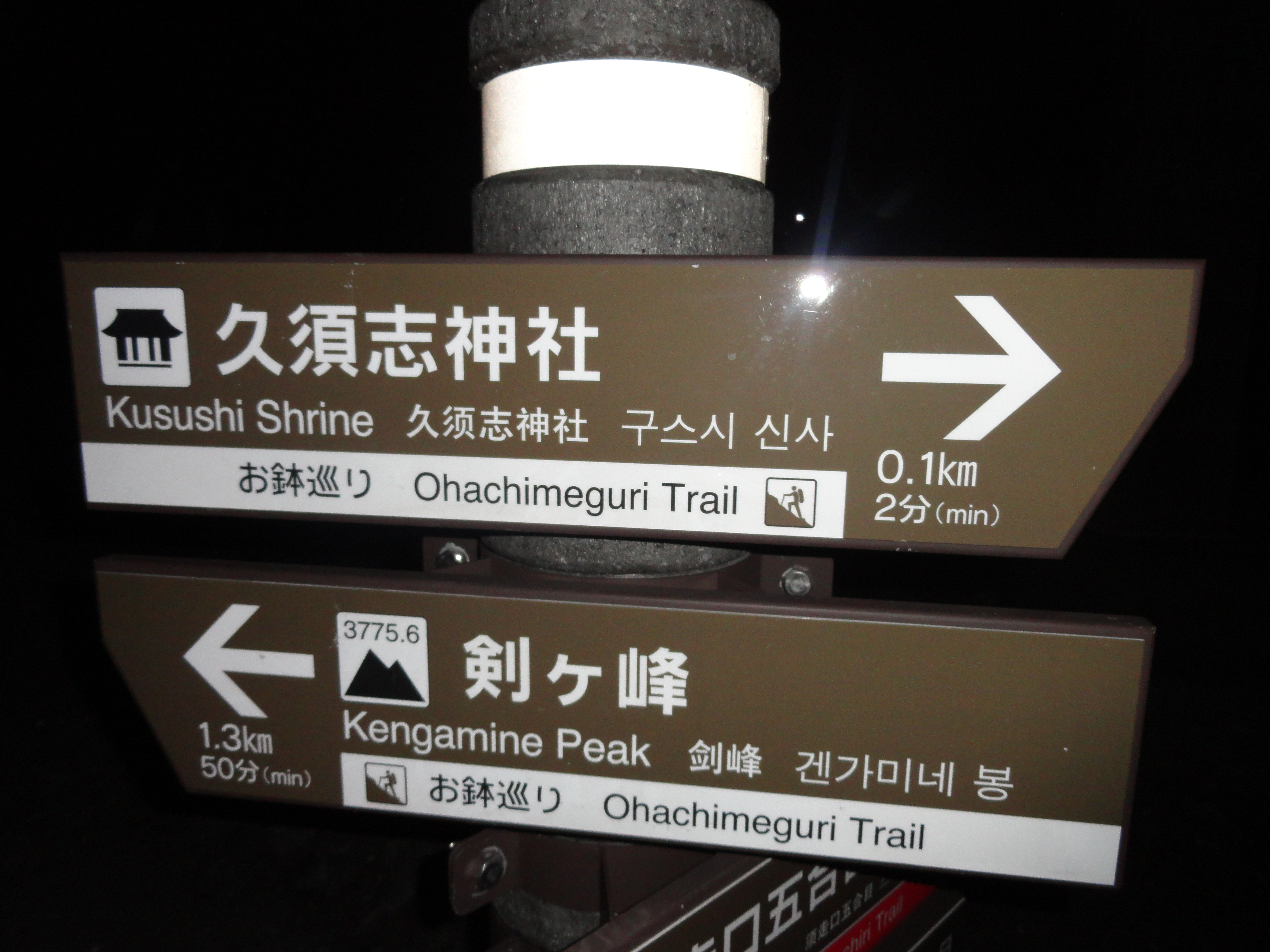
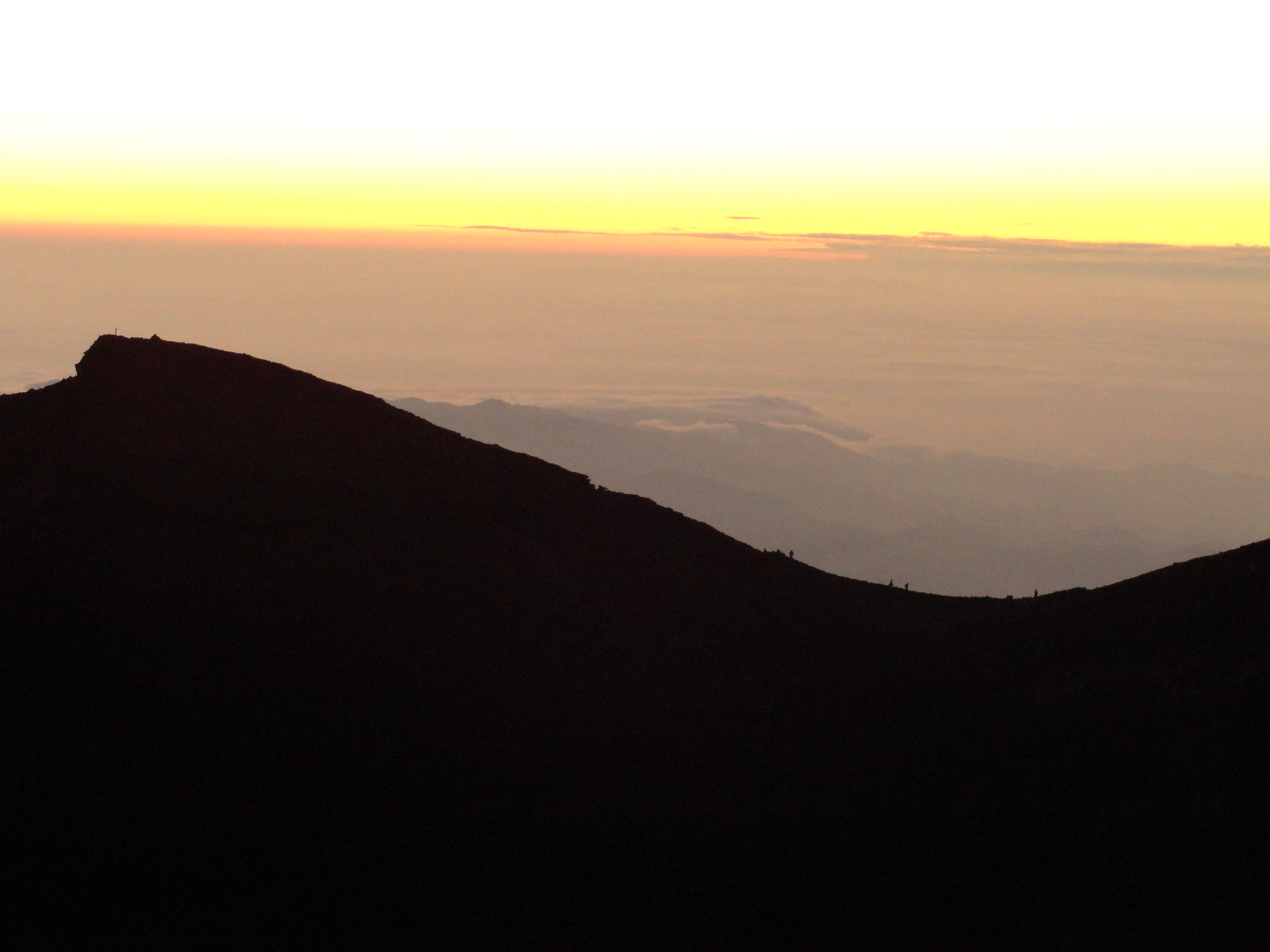
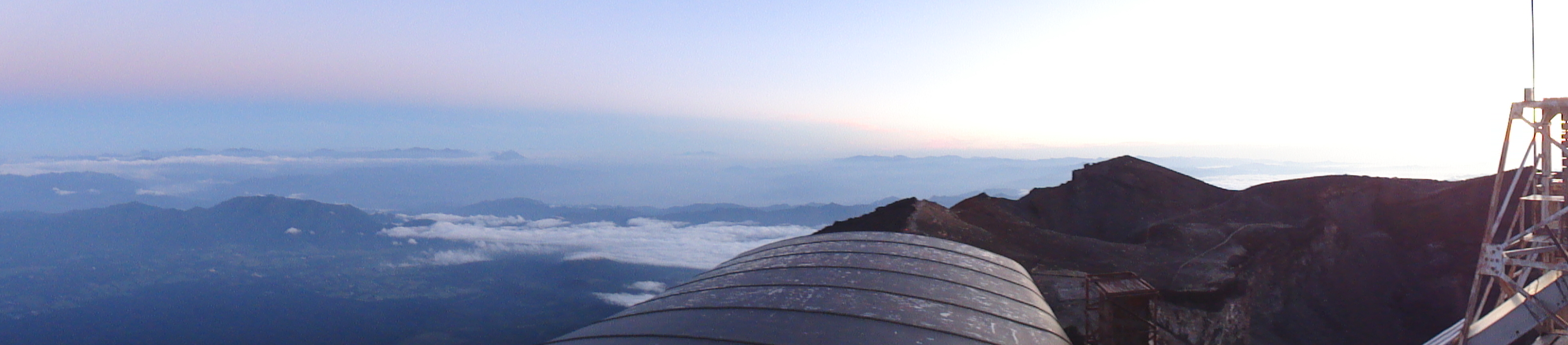
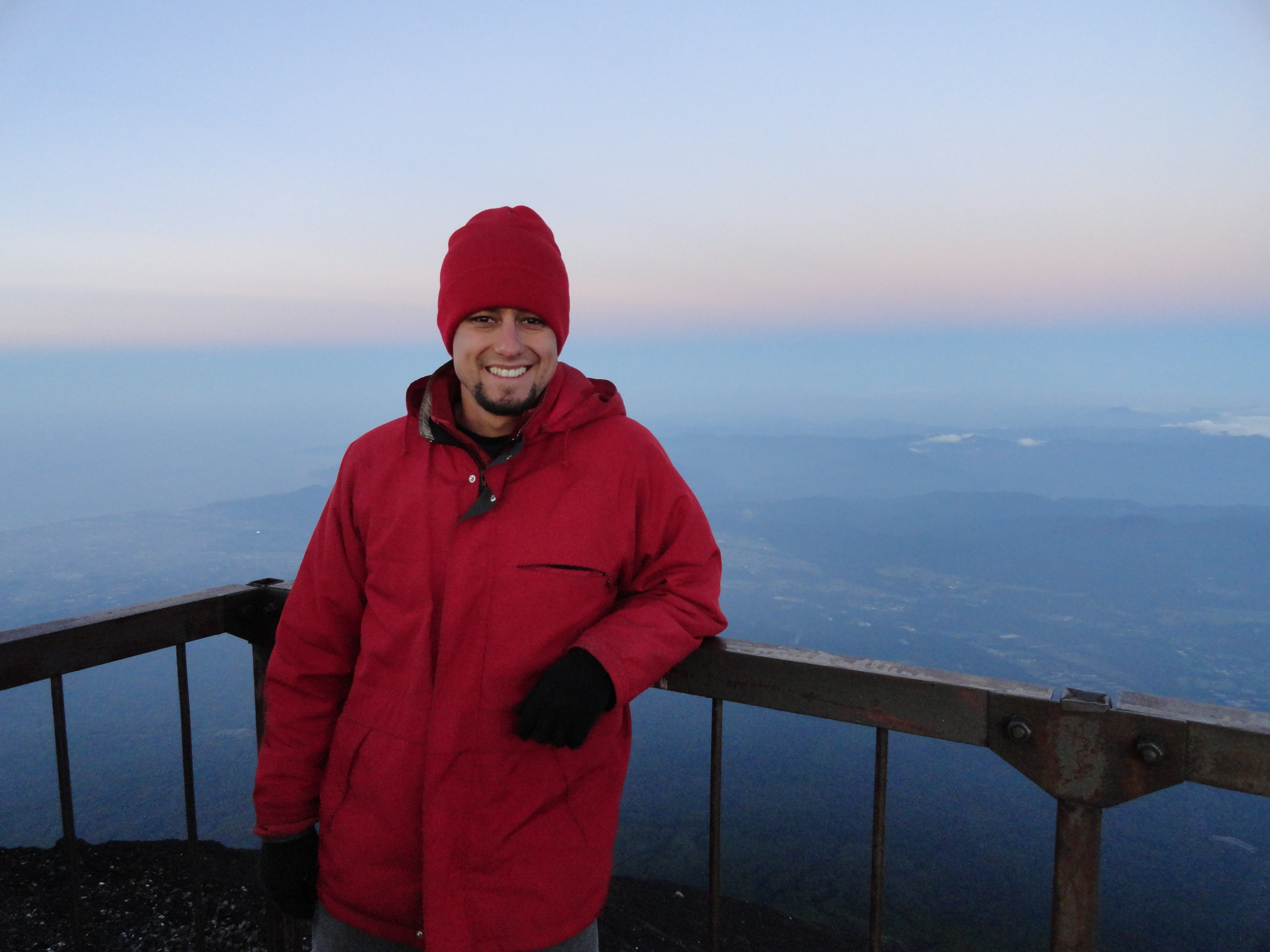
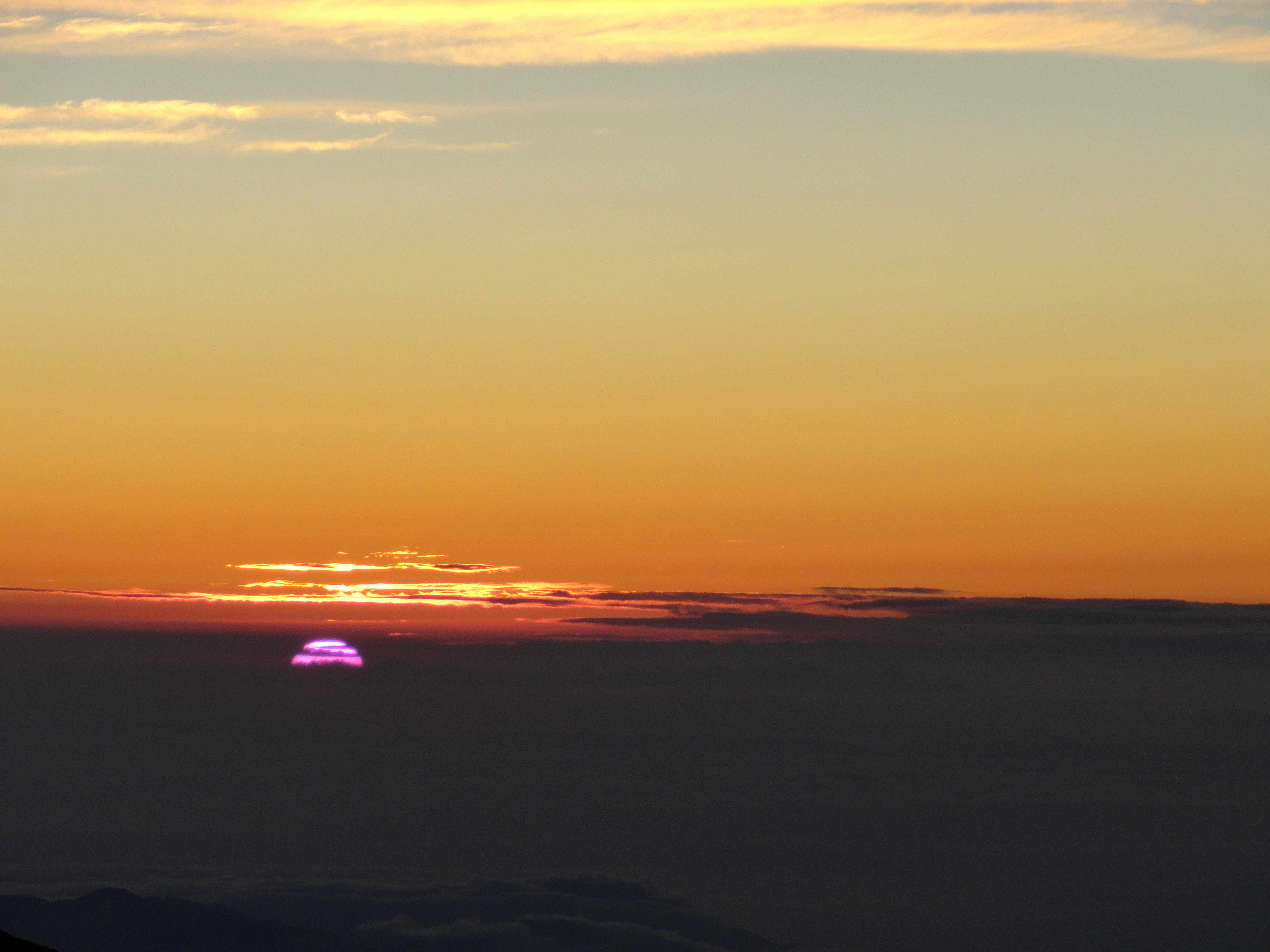
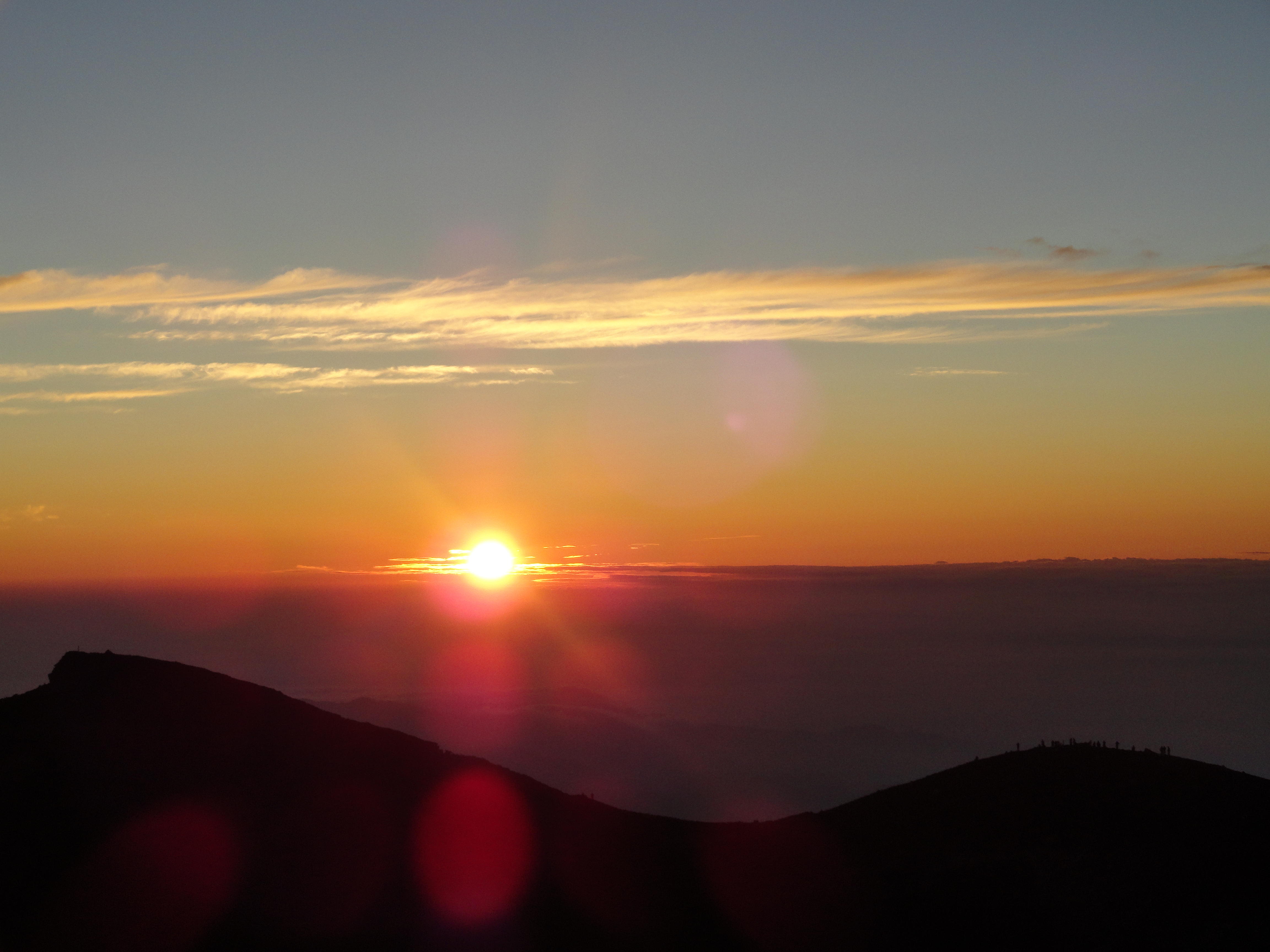
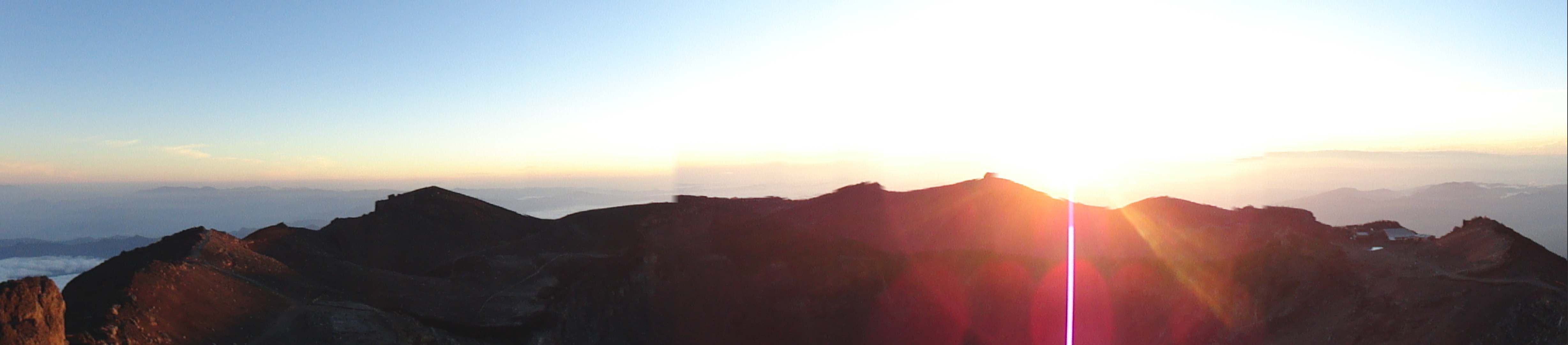
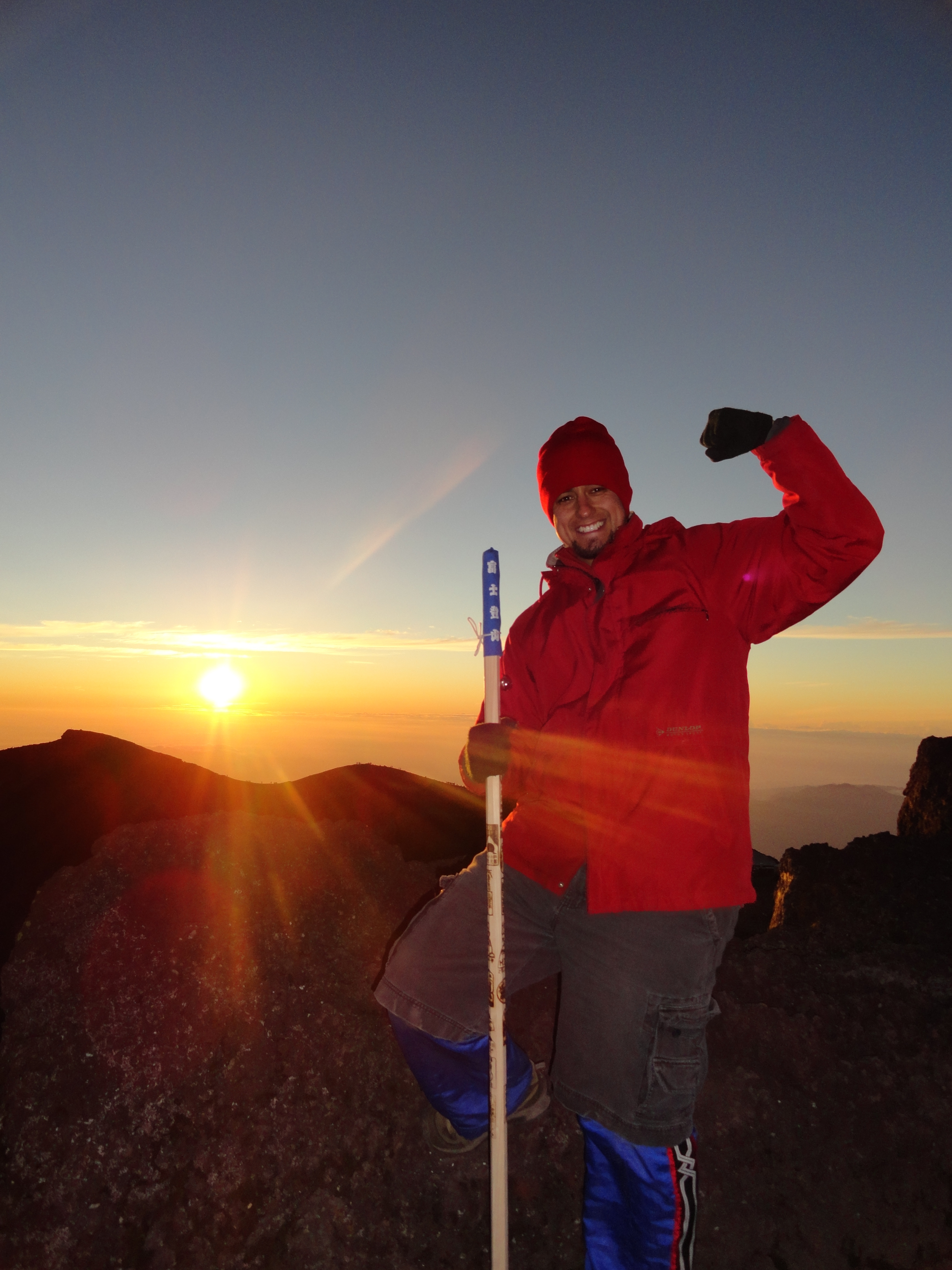
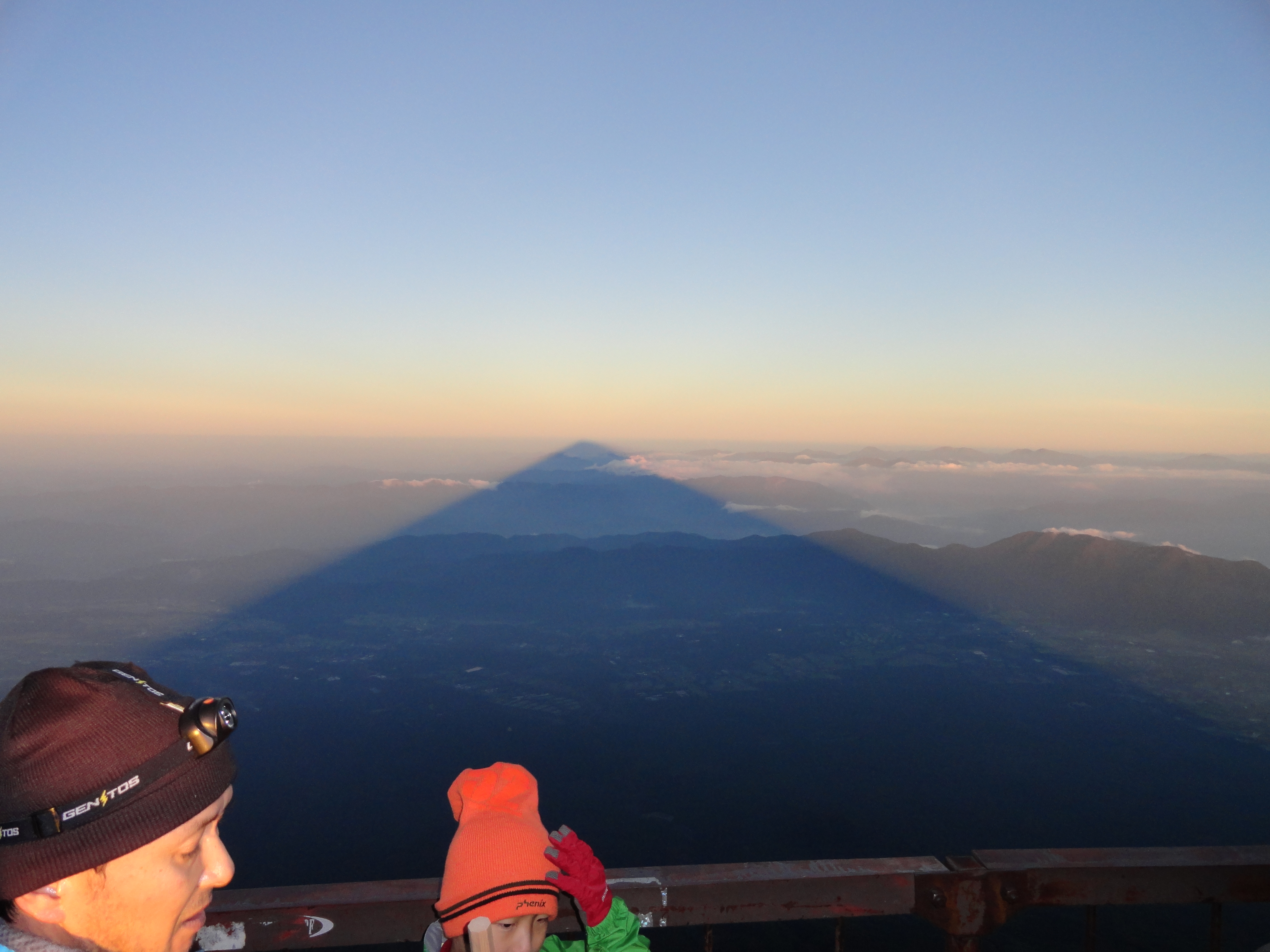
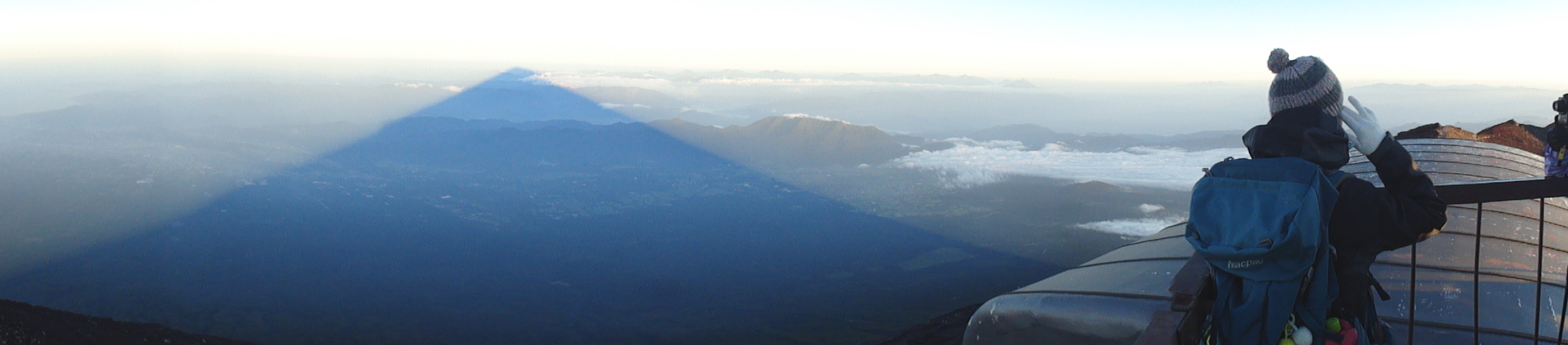
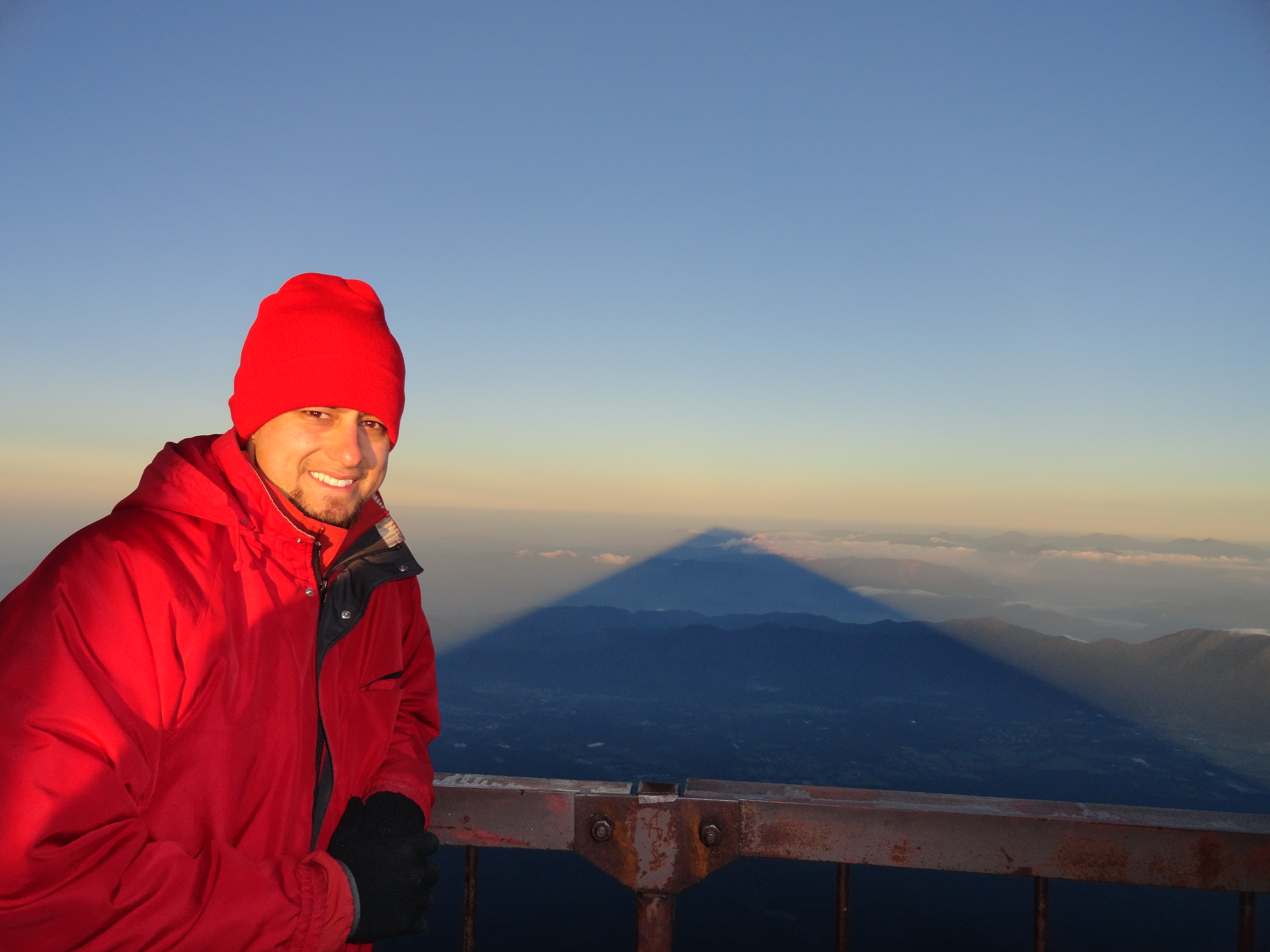
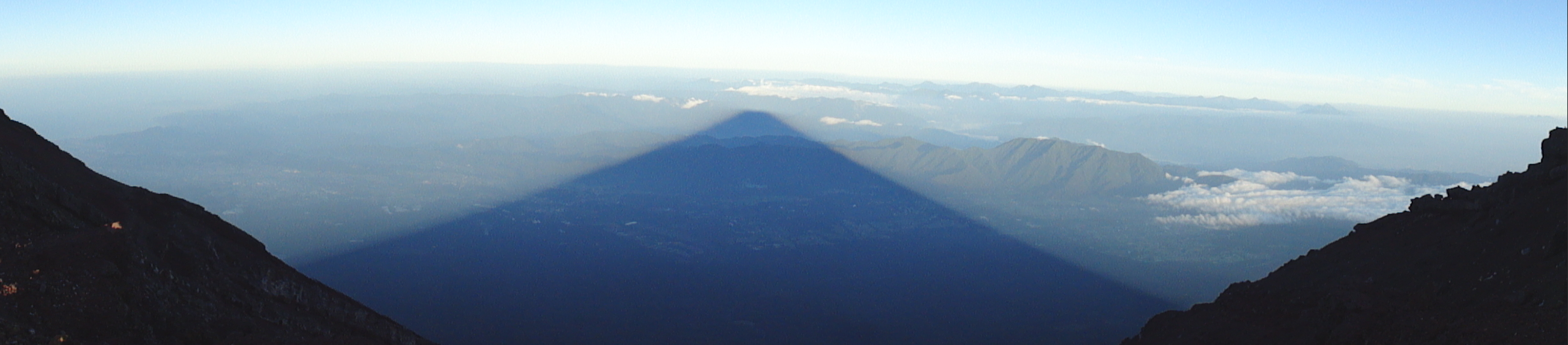
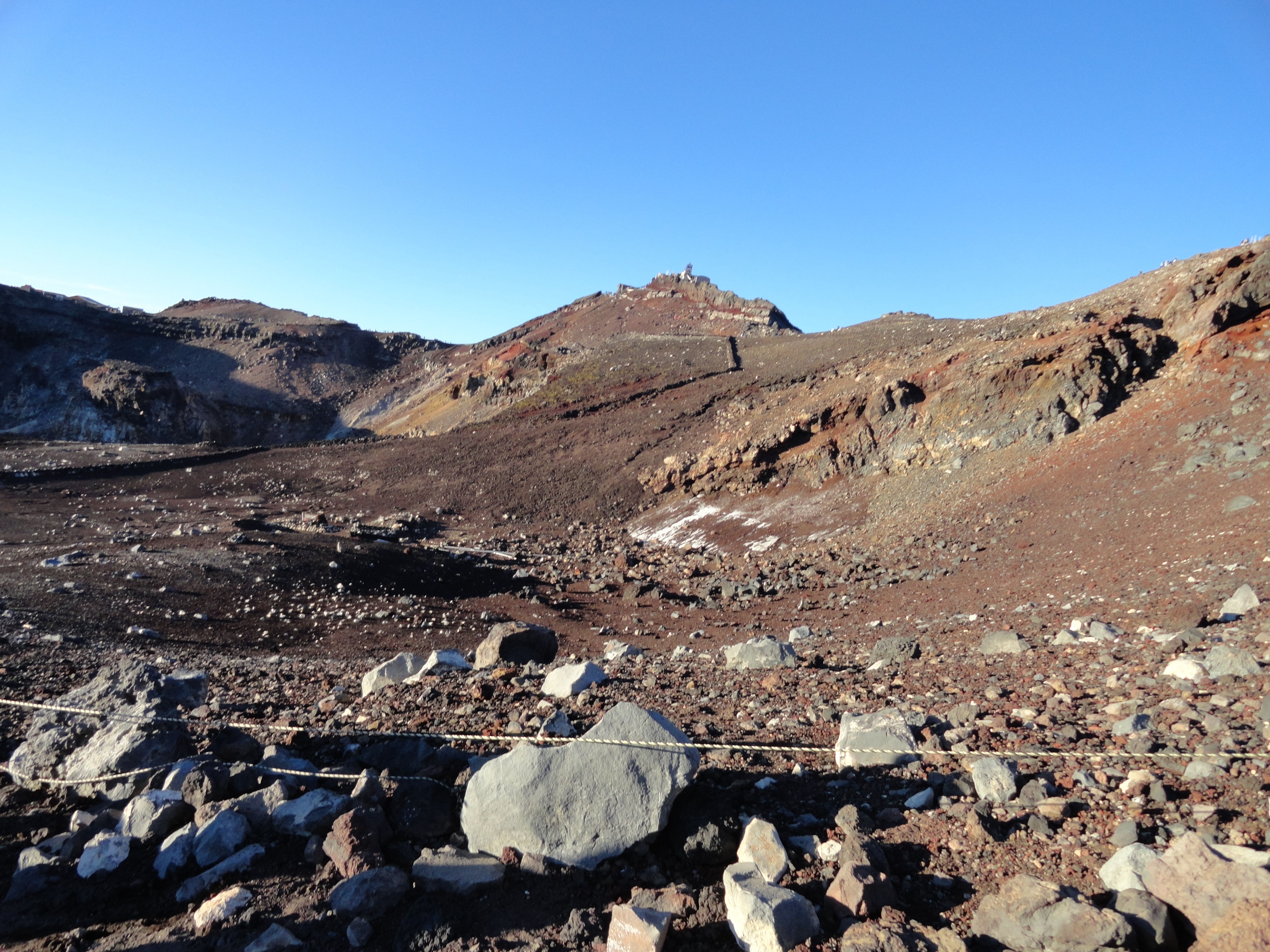
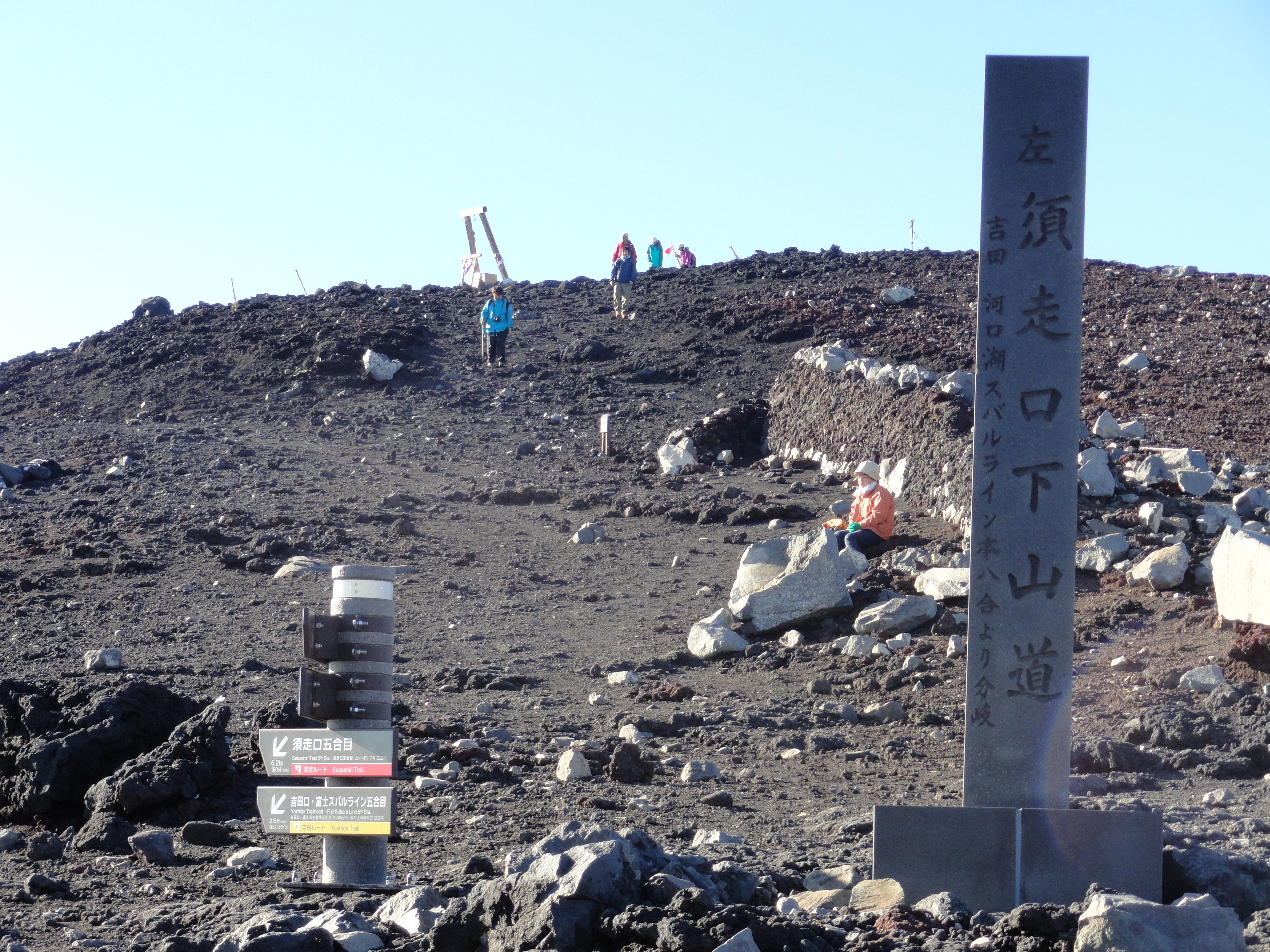
After what felt like an eternity of trudging up the side of a volcano, we stopped at what I thought was the 9th station, but then the guide shouted something in Japanese and everyone else reciprocated. After Machiko did some translating, she told us that we were at the top. I too gave a shout. It was hard to tell we were at the top because it was still dark, but we were at the top, some 12,288 feet above the sea. All the pain in my back and my head seemed to drain away, and we all just stood and looked at the stars for about 10 minutes. We rested for another 10 minutes before we were to continue half way around the rim of the volcano to the tallest point on the mountain, the Summit Kusushi Shrine. It was still another 35 minutes and 100 feet in elevation to the Summit. As we walked, the sun began to slowly rise and the stars began to fade. It was clear that this day was not going to be like the previous one. There were very little clouds and the air was already warmer. Once we got to the hill that housed the summit, the path was extremely steep, quite possibly the steepest yet, but I quickly shot out ahead of the group and began pushing for the top. The lack of sleep, oxygen, and food could have left me quite literally on my knees in the volcanic dirt, but I was the first of our group to make it to the summit. I was also the first of our group to secure a spot on a watch tower in order to watch the sunrise, and it was quite possibly the most beautiful sunrise I have yet to behold. There is no question in my mind why they call Japan the “Land of the Rising Sun.” Across the various ridges of the volcano’s caldera I could see hundreds of people all looking towards the east, watching the sunrise after having climbed the tallest mountain in Japan. It was a sunrise we all worked for. Again, it was a communal experience.

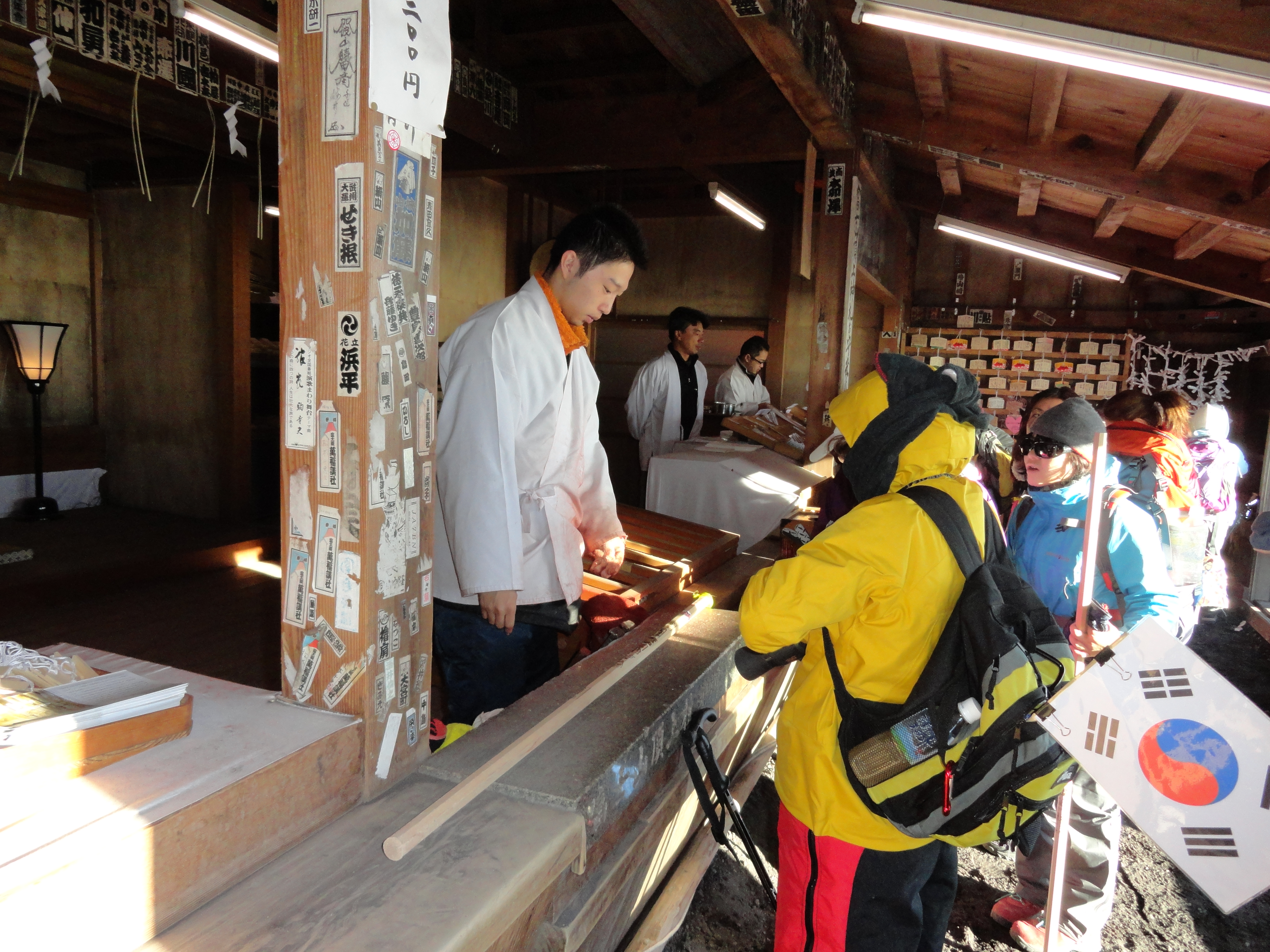
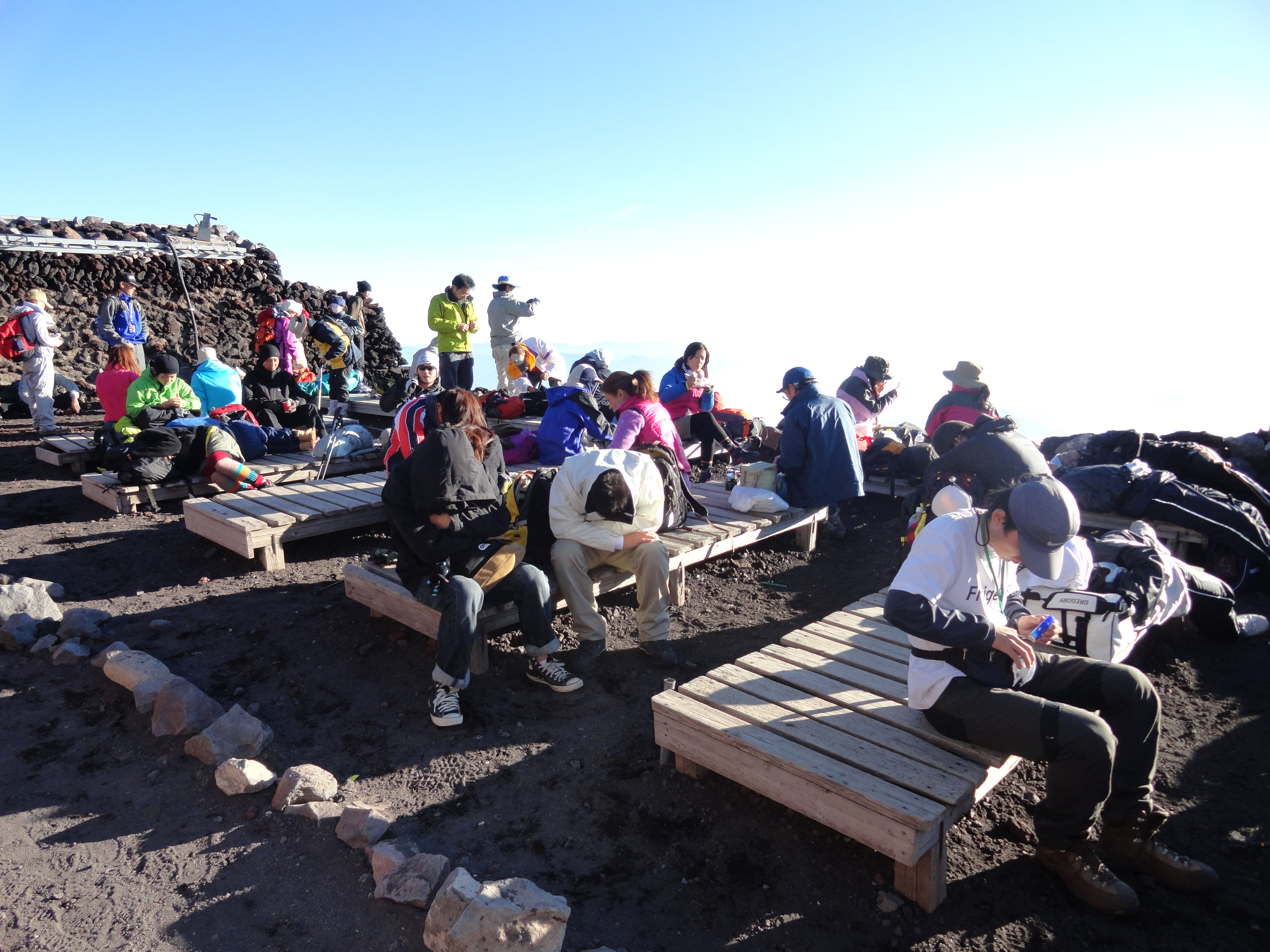
After the sun was fully up, we continued to trek the loop of the volcano’s caldera. It was another 35 minutes to the small village that sits at the top of the mountain. By this point I was to dog tired that I actually began to close my eyes as we walked. I was quite literally reaching my point of exhaustion. Thankfully, about the time when I actually started falling asleep as we walked, we made it to the village. I took the liberty to get my walking stick stamped with the final stamp, and then proceeded to the first Tatami-hut I could find so I, along with dozens of weary hikers, could take a quick power nap. I instantly fell asleep. I woke up half an hour later and we all proceeded to head finally head down the mountain at about 7:30 A.M.
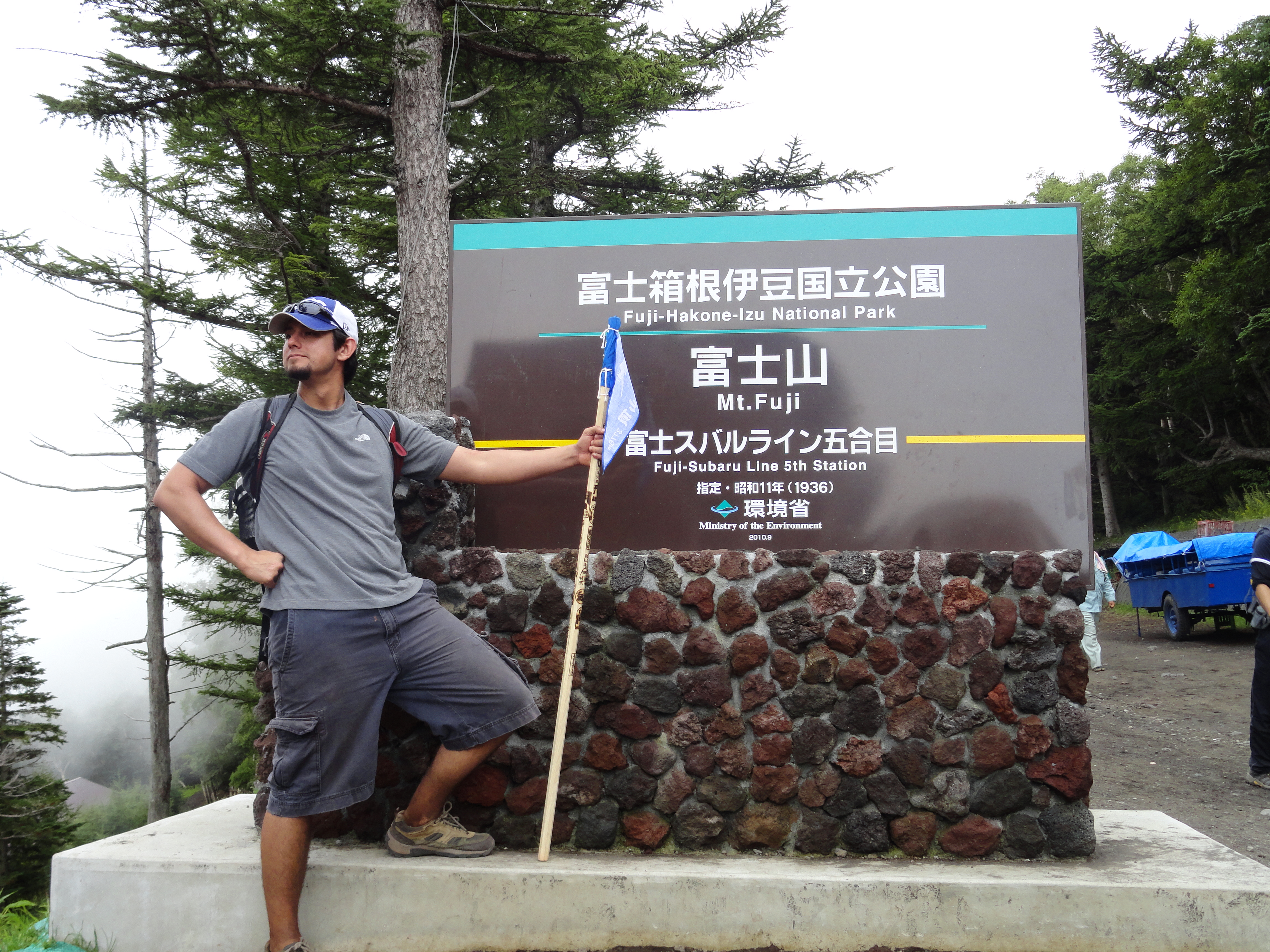
We made it down the mountain 4 hours later. The walk down was difficult on the knees and the toes due to the extreme angle of the decent. We were all, once again, dog tired. We took a celebratory photo at the Mt. Fuji National Park Gate, ate some hot Japanese Udon (soup), and drank a beer. We all felt like we truly accomplished something. The Mt. Fuji Summit was truly a bucket list item– one that I was truly glad that I could experience.












 Shinnformation Station
Leave a comment