

Prelude:
I lead a veteran’s program called Veteran R.E.A.D.S. Program for the University of Missouri. The mission of the program is “To use storytelling and story analysis as strategic tools to help uniformed service members and their families strengthen communication, camaraderie, and catharsis.” To fulfill this mission, we spend significant time together engaging in reading, participating in thoughtful discussions, and writing. Writing is, after all, how we really process and clarify what we read, think, and believe.
On Monday night January 27th, a small group of us read chapter five, “The Replacements,” from Bill Glose’s book, All the Ruined Men (2022). It’s a powerful book, and I highly recommend it.
Based on the reading and the subsequent discussion, I gave the men in the room the following writing prompt:
“Remembering, Reflecting, and Rebuilding”
In “The Replacements,” Bill Glose delves into the profound themes of loss, transition, and reintegration following military service. The story lays bare the weight of grief, the struggle to rebuild identity, and the delicate balance between honoring the past and embracing the future.
During a January 2025 speech commemorating the 80th anniversary of the liberation of Auschwitz, King Charles III reflected on the importance of memory, stating, “The act of remembering the evils of the past remains a vital task, and in so doing, we inform our present and shape our future.”
These two perspectives converge in their recognition of the transformative power of reflection. Whether grappling with personal loss or collective tragedy, the process of looking back is not an act of dwelling but a means of finding clarity and purpose. By revisiting our past, we gain the insight to navigate the present and the resilience to shape a more intentional future.
With this in mind, choose one of the two prompts below as an opportunity to explore your own story in writing, connecting your experiences to a larger journey of healing, understanding, and growth:
- In “The Replacements,” characters grapple with the pain of loss and the fear of being “replaced” or forgotten. How do you think remembering those who came before us—or reflecting on personal experiences of loss—can serve as a source of strength, healing, or insight for the future?
- Think about the phrase “inform our present and shape our future.” How can understanding your own story, and the stories of others, help you move forward with greater purpose, clarity, or resilience?
Needless to say, I never ask others to do something I am not willing to do myself, especially those who are looking at me to lead. As such, I chose prompt No. 1, and this is what I didn’t know I needed to write:
Absence
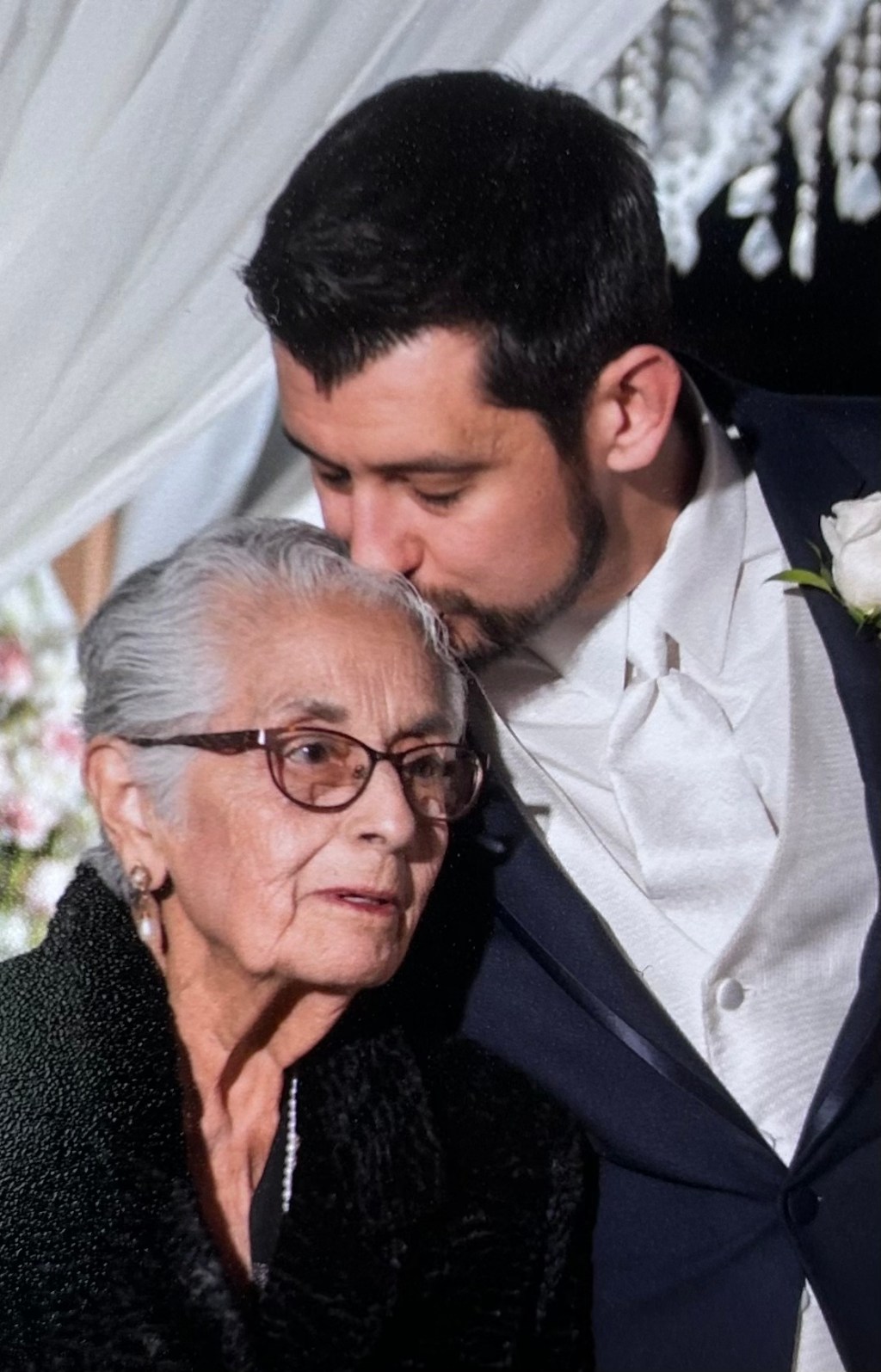
I remember my father, my step-father, my grandfathers, aunt Raffie, my grandmother, Dustin (my best friend from high school), and those I need but are not here to help me muster the perseverance to move forward.
Despite their absence, or maybe because of it, I often find the strength–strength to do, strength to be.
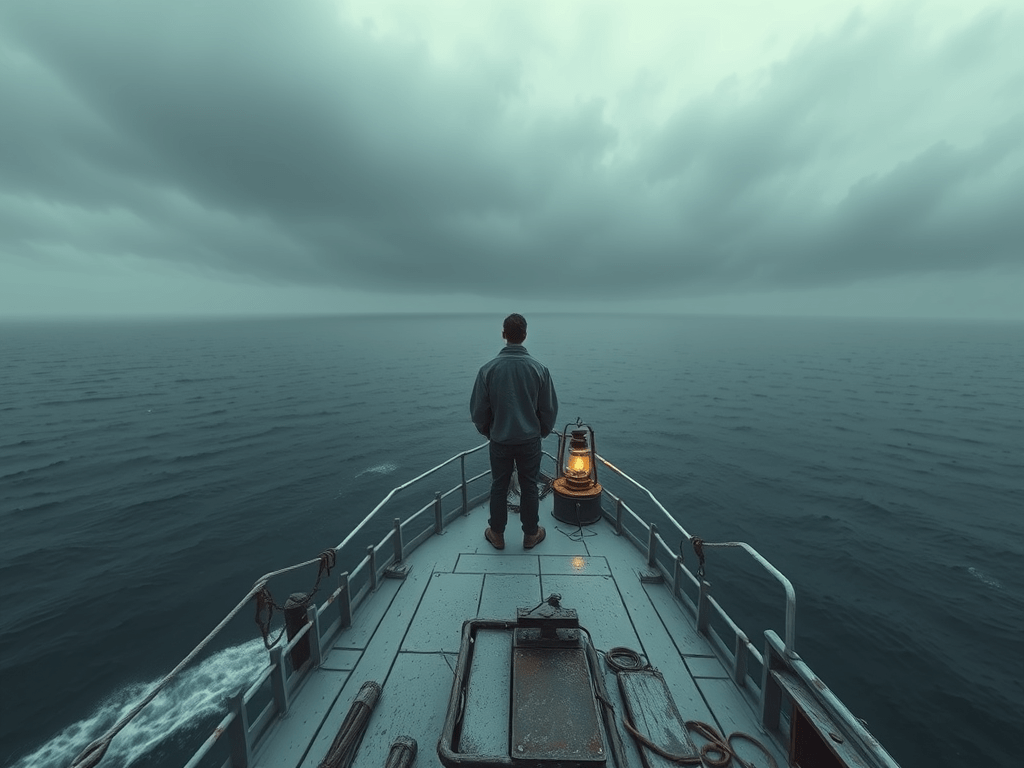
Absence is it’s own sort of entity, ever present but never seen– reminding me it’s all on me. They are not here, nor can they be. Death has made certain of that.
Absence becomes who I remember–an amalgamation of all their best parts.
Absence becomes the place where I pick up their pieces along with my pieces and build what I can.
Maybe that’s why I like letters, and words, and wood, and food, and Legos– they can all be built to my liking, built to meet my needs.
To take nothing and make something, that’s magic. That’s creation, and that’s one small way we can be like God.
When family and friends leave, they take with them a piece of me. Hell, when old me leaves new me, even he takes with him a piece of me.
Left in its place is absence, and while absence can often feel like nothing, it’s from nothing the greatest acts of something can happen.
I am not like God, but because of absence I am becoming something.




 Shinnformation Station
Leave a comment